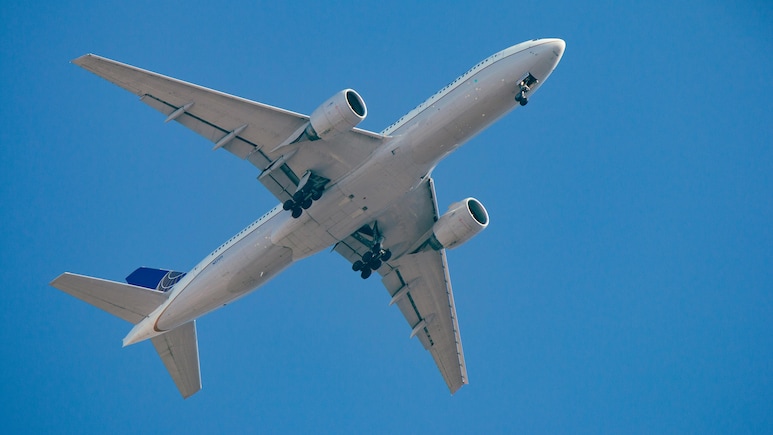
Somewhere high above the clouds, an aircraft is crossing borders that passengers cannot see. There are no landmarks, no signboards, and often nothing below but a vast stretch of blue or land that looks the same for hundreds of kilometres. Yet the flight doesn't drift or wander. It reaches when it is supposed to, climbs and descends at exact points, and arrives almost exactly on schedule. For something that looks so effortless, it raises a quiet question: how do pilots always know where they are in an empty sky? If you are wondering the same question, let's find out the science behind it.
Also Read: Which Countries Don't Have Any River?
How Do Pilots Actually Know Where They Are Going?
The answer lies in a layered navigation system where satellites, onboard instruments, and ground-based aids all work together.
1. GPS
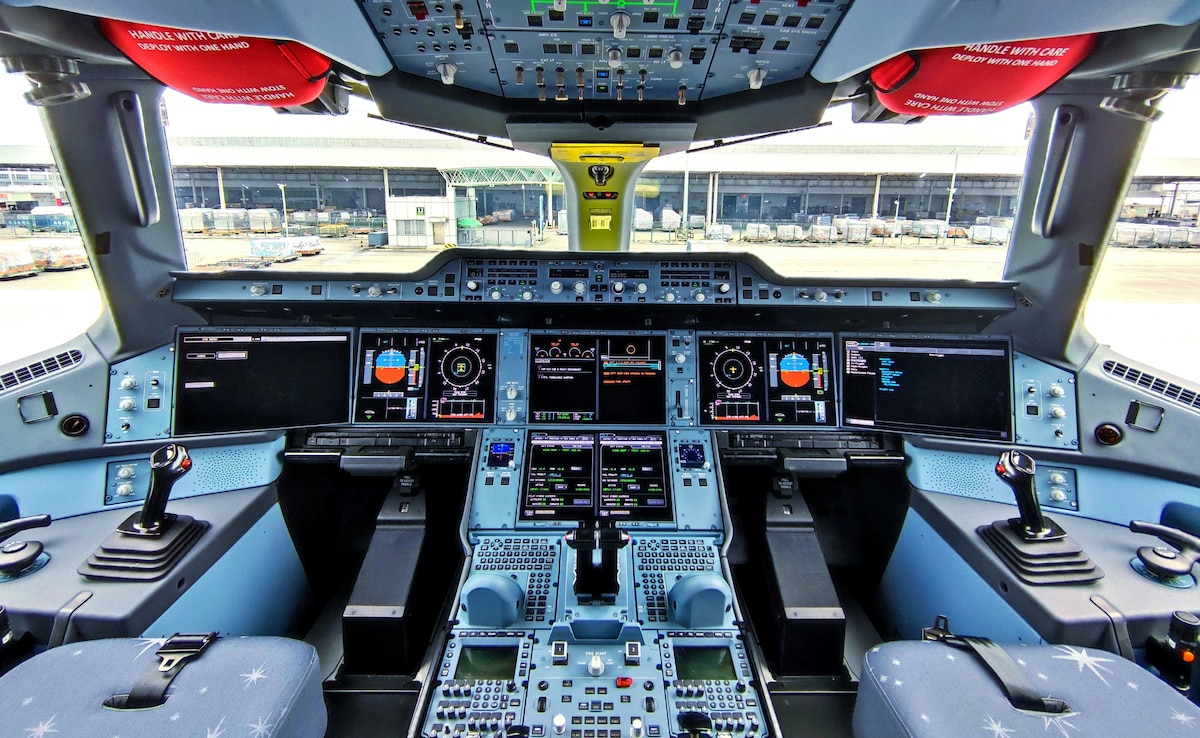
Photo: Unsplash
Today, most aircraft rely heavily on Global Positioning System (GPS) technology. GPS works using a network of satellites orbiting the Earth. As per the Federal Aviation Administration, an aircraft's navigation system receives signals from multiple satellites and calculates its exact position in three dimensions. At least four satellites are needed to determine the accurate location and time.
Pilots don't just see a dot on a map. Their cockpit displays show detailed routes made up of waypoints, which are fixed geographical coordinates. The aircraft continuously moves from one waypoint to another, following a pre-programmed flight path stored in its navigation database. In simple terms, it is like Google Maps, but far more precise and designed for the sky.
2. Inertial Navigation Systems
What happens if GPS fails? Aircraft are equipped with Inertial Navigation Systems (INS), which work independently of external signals. These systems use sensors to track the aircraft's movement, speed, and direction from a known starting point. According to aviation regulations, these systems must be reliable, continuously usable, and capable of maintaining navigation even if one part fails. INS ensures that even in situations like signal loss or interference, pilots can still determine their position and continue flying safely.
3. Ground-Based Navigation

Photo: Unsplash
While satellites dominate modern aviation, traditional navigation aids are still widely used. These include systems like VOR (Very High Frequency Omni-directional Range) and DME (Distance Measuring Equipment), which transmit radio signals from the ground. Pilots can use these signals to determine direction and distance relative to specific points on Earth.
In fact, aviation rules require that suitable navigation aids be available along flight routes to ensure aircraft can navigate accurately and safely. This layered approach adds redundancy, which is critical in aviation.
4. Flight Planning And Predefined Air Routes
Before a flight even takes off, pilots and dispatch teams create a detailed flight plan.
This plan includes:
- A fixed route made up of waypoints
- Approved airways (like highways in the sky)
- Altitudes and alternate airports
Aircraft do not wander freely. They follow structured air corridors managed by air traffic control, ensuring safe distances between planes and efficient traffic flow.
Also Read: Which Is The Smallest Country In The World?
5. Air Traffic Control Keeps Everything In Check
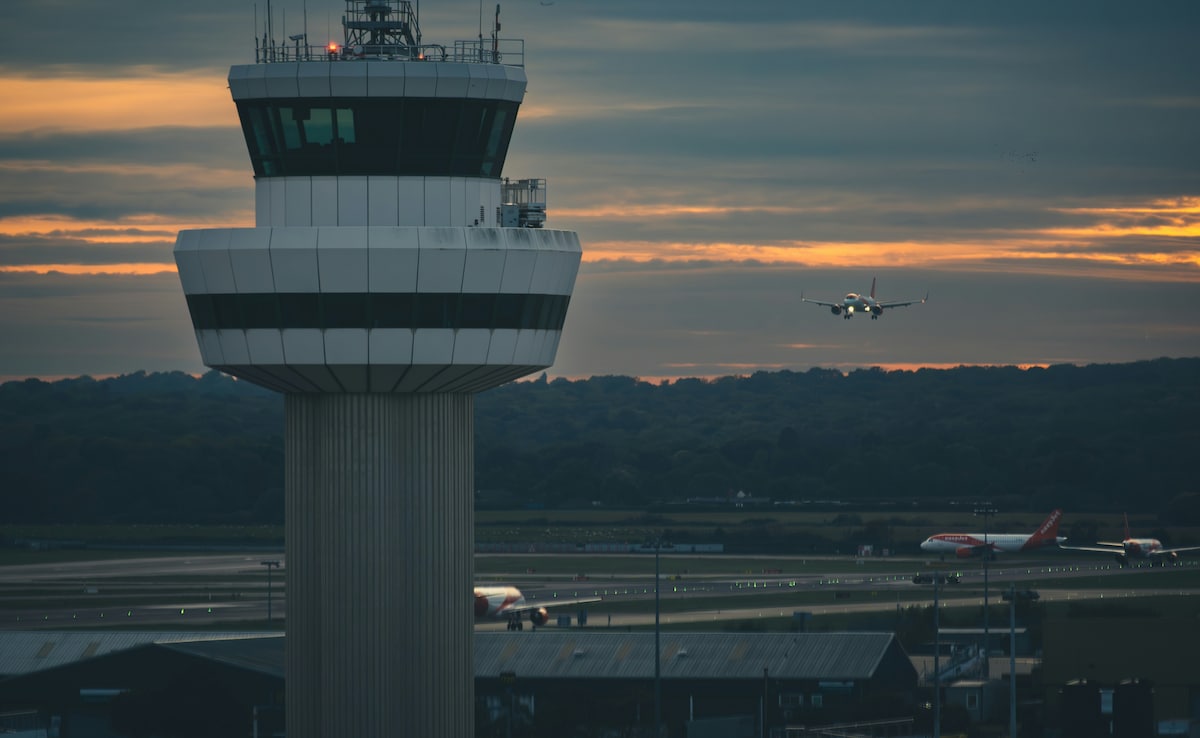
Photo: Unsplash
Even with advanced navigation systems, pilots are not flying alone. Air Traffic Control (ATC) constantly monitors aircraft positions using radar and satellite systems. Controllers guide pilots, provide route adjustments, and ensure safe separation between flights. So while the aircraft knows where it is, ATC ensures it stays on the safest possible path.
Modern air travel is built on the idea that navigation should never depend on a single tool. Satellites provide accuracy, onboard systems preserve continuity, ground aids add verification, and regulations ensure nothing is left to chance. Together, these layers allow aircraft to fly safely across land, oceans, and remote airspace alike.
So the next time a flight glides smoothly above the clouds, remember: every moment of that journey is guided by systems designed to know exactly where they are - even when the world below offers no clues at all.
Track Latest News Live on NDTV.com and get news updates from India and around the world


