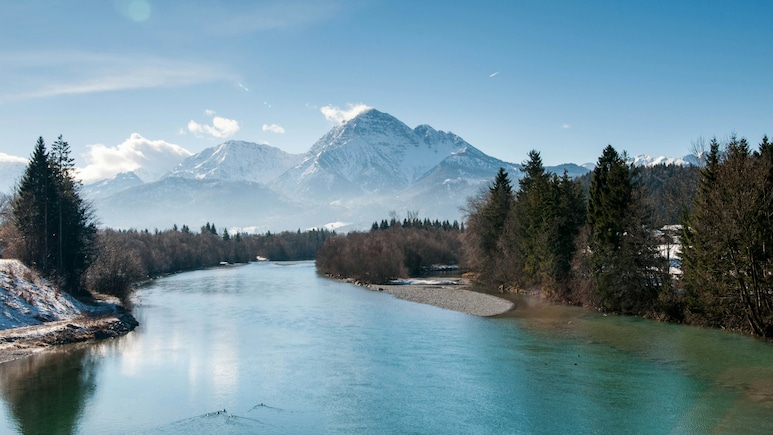
Rivers have played a vital role in shaping human civilisation, providing water, food, and transport across continents. From ancient settlements to modern cities, flowing rivers remain central to daily life in many parts of the world. However, not every country is naturally endowed with these freshwater lifelines. Some nations survive without a single permanent river within their borders. Instead, they depend on alternative water sources shaped by geography and climate. Here are the countries where rivers are entirely absent.
Countries In The World Without A Single River
1. Saudi Arabia
Saudi Arabia is the largest country in the world without a permanent river. Its vast desert landscape features dry riverbeds known as wadis that fill only after rare rainstorms. These wadis quickly dry up and cannot sustain long-term water flow. As a result, the country depends heavily on ancient groundwater reserves.
Also Read: Toy Train, Tea Gardens And Cool Weather - Why Summer In Ooty Just Feels Right
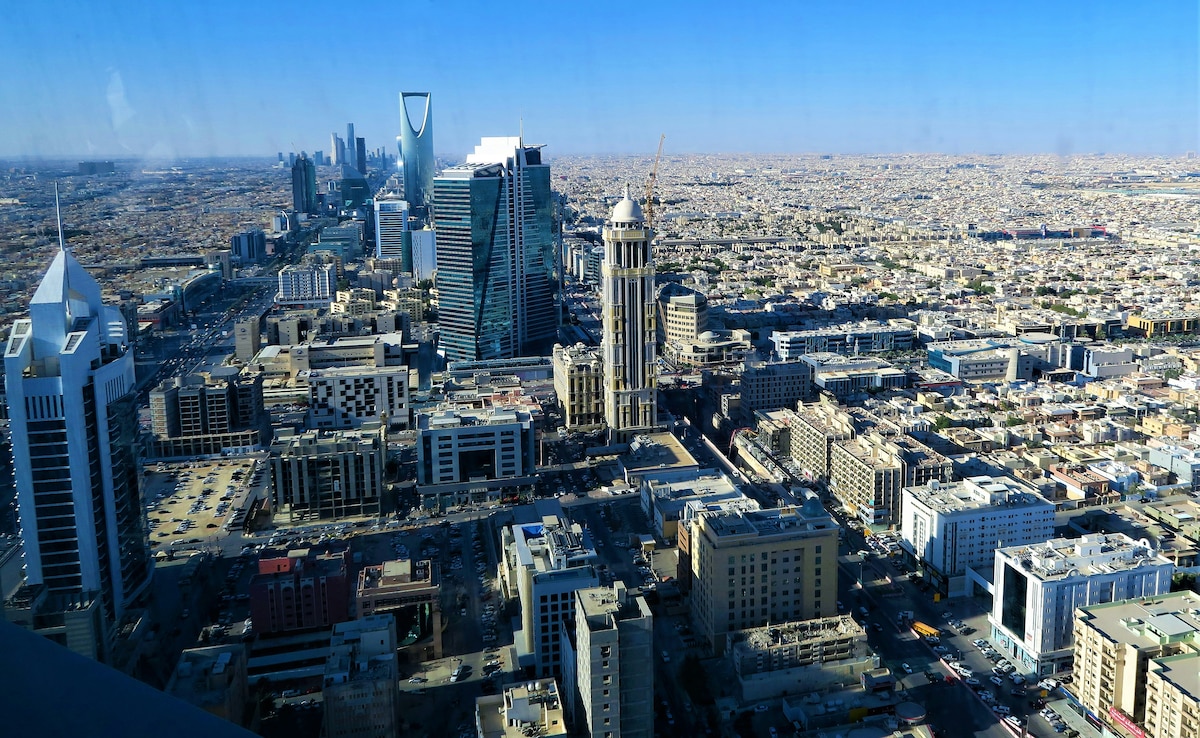
Photo Credit: Unsplash
2. United Arab Emirates
The UAE does not have any naturally flowing rivers due to its extremely arid climate. Seasonal wadis briefly carry rainwater but disappear quickly. With rapid urban development, natural water scarcity has become more noticeable. The country relies on advanced desalination facilities to meet daily needs. Extensive water conservation measures are also encouraged to reduce wastage.
3. Qatar
Qatar's flat, desert terrain and minimal rainfall prevent river formation. There are no freshwater streams or lakes within the country. Underground water sources exist but are limited and largely non-renewable. Desalination provides the majority of drinking water. Efficient distribution systems help sustain its growing population.
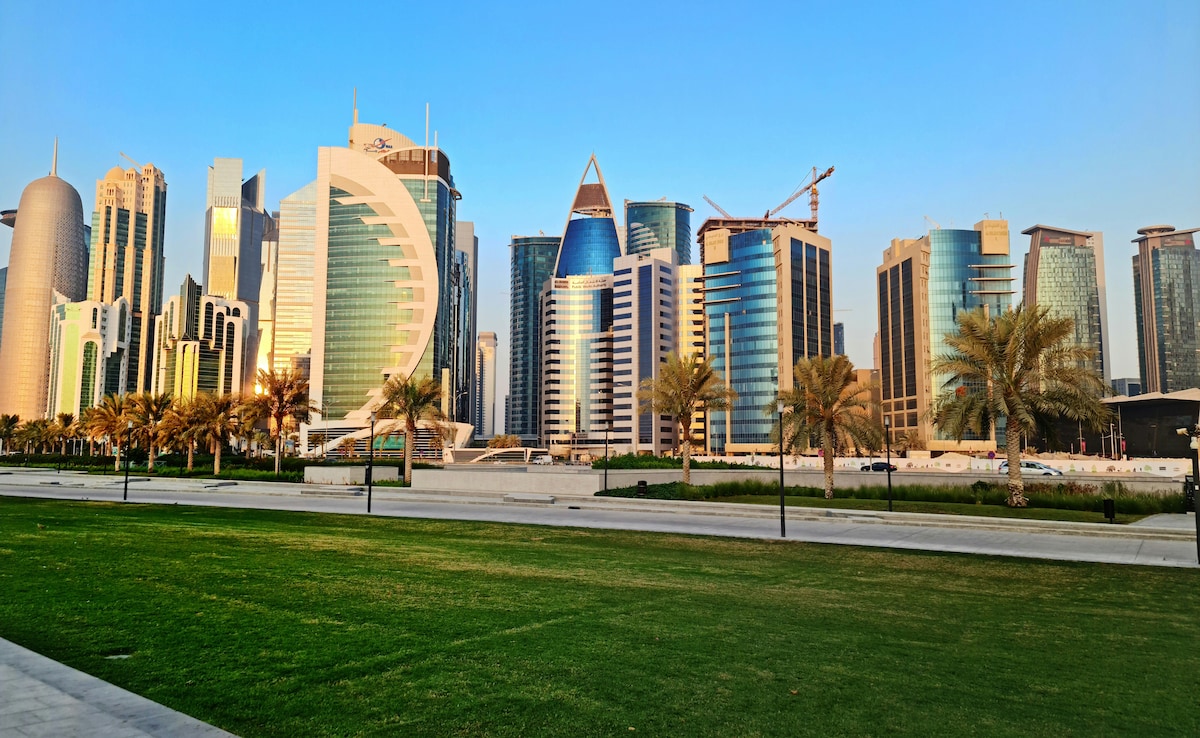
Photo Credit: Unsplash
4. Kuwait
Kuwait has no rivers, lakes, or permanent streams within its borders. Extremely high temperatures and low rainfall levels make natural freshwater storage impossible. Historically, water scarcity shaped settlement patterns in the region. Today, desalinated seawater is the main source of potable water. The country also imports freshwater during peak shortages.
5. Bahrain
Bahrain lacks rivers but once benefited from natural freshwater springs beneath the seabed. These springs supported early agriculture and trade. Over time, increased consumption caused many to dry up. Desalination has become the primary water source. Water management remains a national priority due to limited natural reserves.
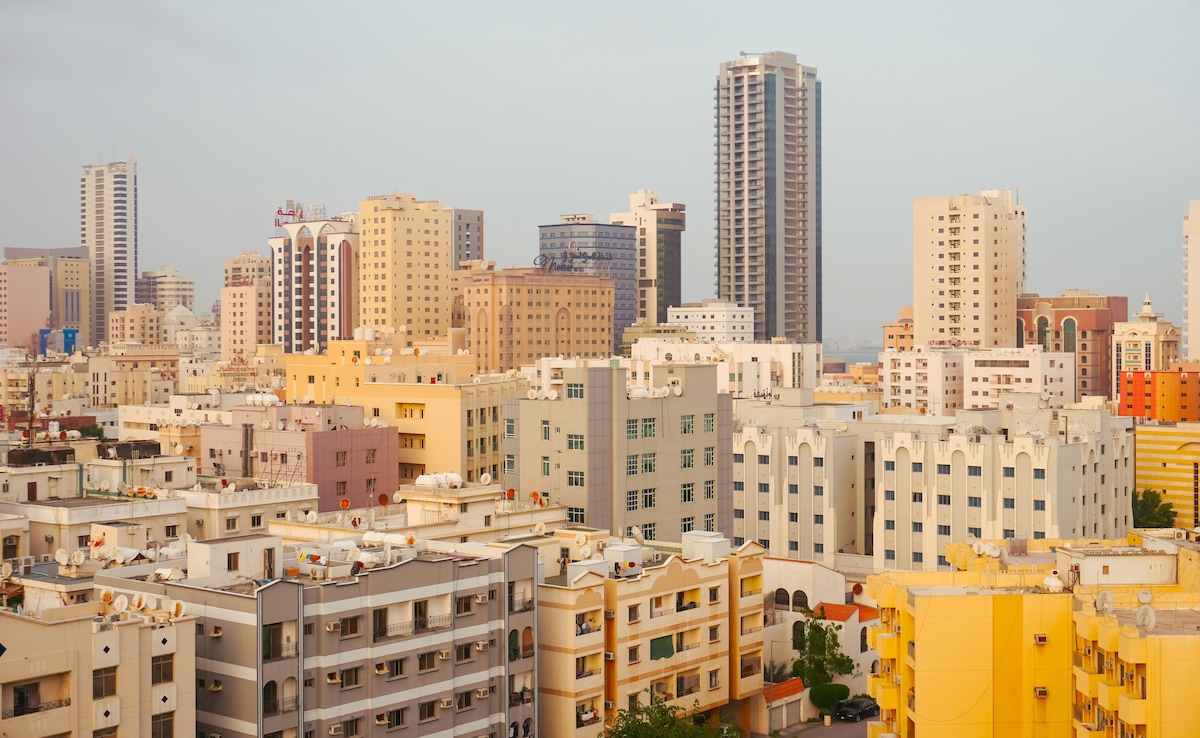
Photo Credit: Unsplash
6. Oman
Oman does not have permanent rivers, though it is rich in wadis that flow seasonally. These wadis provide temporary water for farming after monsoon rains. Traditional irrigation systems called aflaj help distribute this water efficiently. Despite this, none of the water channels qualify as true rivers. Climate patterns restrict continuous flow.
7.Maldives
The Maldives is made up of low-lying coral islands, offering no elevation for rivers to form. There are no streams, lakes, or freshwater bodies. Rainwater seeps into the ground, forming delicate freshwater lenses. These are vulnerable to contamination and rising sea levels. Careful water conservation is essential for survival.
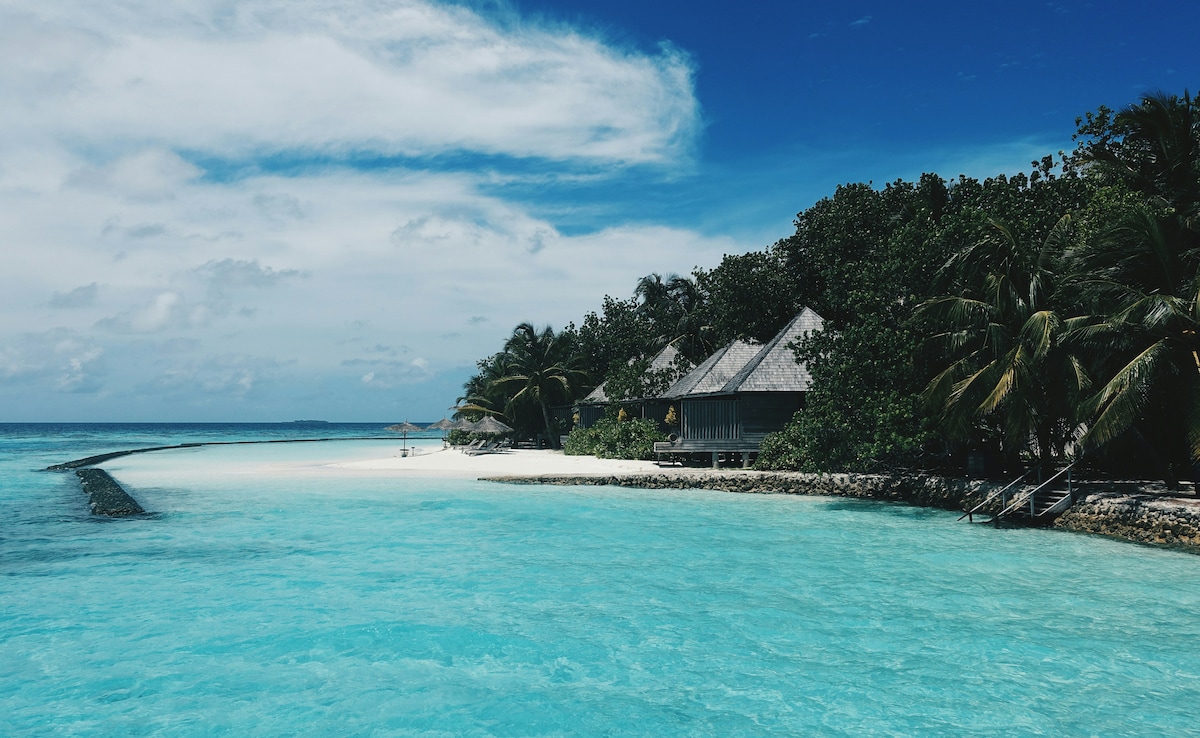
Photo Credit: Unsplash
8. Malta
Malta has no rivers, only short watercourses that appear after heavy rainfall. These streams flow briefly before drying up. The island's limestone terrain allows rainwater to drain quickly underground. Groundwater plays an important role in supplying fresh water. Desalination supplements supplies during dry periods.
Even without rivers, these countries show how adaptation and innovation make life possible in even the driest parts of the world.
Track Latest News Live on NDTV.com and get news updates from India and around the world


