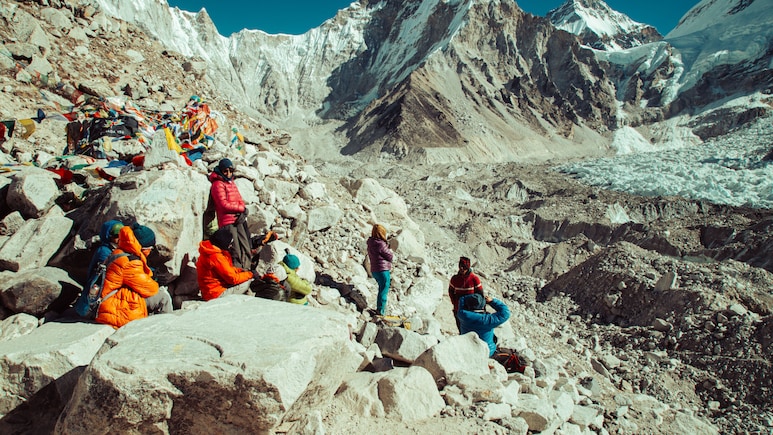
Mount Everest Base Camp is one of the busiest places in the Himalayas during the climbing season. Every year, climbers, trekkers, guides, and support staff gather here before heading further into the mountains. But this growing human activity may also be putting additional pressure on the glacier beneath and around the camp.
A new study published in Regional Environmental Change has found that human activity at Everest Base Camp is contributing to the melting of the Khumbu Glacier. The researchers looked at three major factors: global climate change, the use of fossil fuels, and heat generated by human urinary discharge.
-

-
 'We Like To Spread That Magic': Moniyi Dey Ahead Of NDTV World Summit Performance
 -
 NDTV World Summit 2026 Set To Begin: A Global Conversation On A World Between Orders
 -
 NDTV World Summit LIVE: Global Leaders To Discuss 'World Between Orders'
 -
 World-Class Chefs, Food And Music: The Fun Side Of NDTV World Summit 2026
 -
 AI, Consciousness And Dharma: Why Ancient Indian Wisdom Matters Now
 -
 NDTV World Summit: What To Expect From PM Modi's Keynote Address
 -
 Who Is Rajiv Mehta? Lilavati Hospital Trustee To Speak At NDTV World Summit 2026
 -
 Alain Ebobisse, Africa50 CEO, To Attend NDTV World Summit 2026. All About Him
 -
 Kriti Sanon At NDTV World Summit: A Look At Her Career And Business Ventures
 -
 Ex-CIA Director To Decode 'War In Times Of AI' At NDTV World Summit
The findings show that Everest Base Camp is not just dealing with the larger effects of climate change. The activities happening directly at the campsite are also adding to the problem.
Everest Base Camp Is Warming Twice As Fast
The study was led by an international team that included a senior surveying official from Nepal's Ministry of Land Management. Researchers collected field data during the spring 2023 climbing season at Everest Base Camp. They examined the energy and heat released through activities taking place at the camp. This included the use of liquefied petroleum gas, kerosene, and petrol.
Also Read: Foreign Traveller Raves About Vande Bharat Train, Calls It India's "Nicest Passenger Train"
These fuels are used for essential activities such as cooking, heating, and generating electricity. The researchers also studied the heat generated by urination. All of these factors were examined to understand how human activity at Base Camp could be affecting the Khumbu Glacier.
The Numbers Are Striking
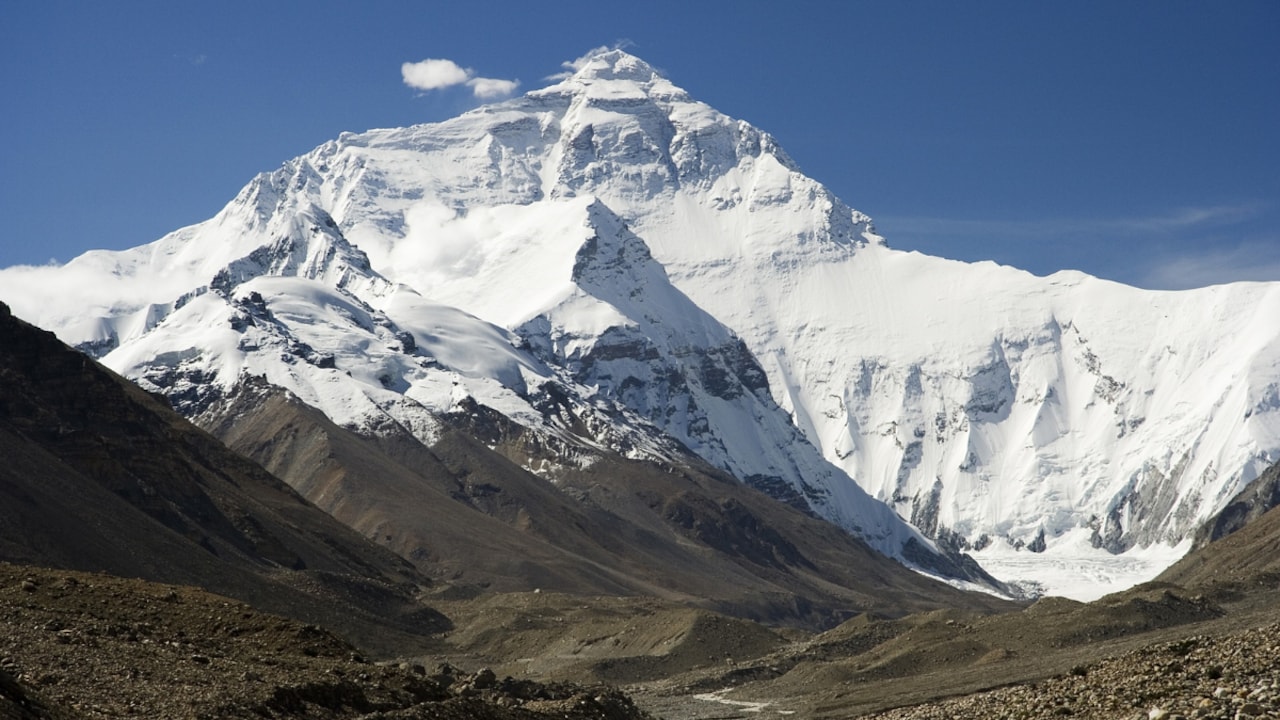
Photo: Canva
According to the study, the total heat energy released from these activities during the spring 2023 season was estimated at 849,174 ± 179,774 megajoules. That is a huge amount of energy. The researchers calculated that this amount of heat would be sufficient to melt approximately 2,492 ± 528 tonnes of glacier ice and snow.
This does not mean that human activity is the only reason glaciers around Everest are melting. Global climate change remains one of the three major contributors studied by researchers. But the findings show that local activities at Everest Base Camp are also creating additional pressure on an already vulnerable glacier.
Too Many People Are Harming Everest
Everest Base Camp has seen a significant increase in human activity over the past few decades. The number of climbers attempting Mount Everest has grown, while the region also sees large numbers of trekkers and support staff.
During the climbing season, Base Camp becomes a busy temporary settlement. People need food, heating, and electricity. All of this requires resources and energy. The study found that these activities, particularly those concentrated around the campsite area, have intensified environmental impacts on the Khumbu Glacier.
And one of the more unusual findings is the role of human urination. The researchers included the heat generated by it while calculating the overall energy being released at the campsite. This makes human waste one of the local human-related factors contributing to the glacier melt examined in the study.
The researchers also looked at how temperatures have changed in and around Everest Base Camp over more than three decades. They used satellite data from Landsat 5, Landsat 7 and Landsat 9 covering the period between 1991 and 2023.
The results showed a worrying trend.
According to the 32-year satellite record, the surface temperature at Everest Base Camp increased by 0.28°C every year. The warming rate at Base Camp was roughly twice the rate of warming recorded on the surface of the Khumbu Glacier next to it. It was also around 15% higher than the temperature increase recorded in the debris-covered terrain immediately north of Everest Base Camp.
Also Read: Bengaluru Metro Pink Line Nears Launch, 6 Stations Likely To Open In September
Climate Change Is Not The Only Issue
The research makes it clear that the situation is more complicated than blaming one single factor. Global climate change is affecting glaciers across the Himalayas. But the study looked closely at what is happening locally at Everest Base Camp.
Fossil fuels used for cooking, heating, and electricity release energy and heat. Human activity, like urination, adds further pressure. When these factors are combined with rising temperatures caused by climate change, the impact on the glacier becomes even more important to understand.
The present Base Camp is located on a supraglacial site, meaning it is situated on the glacier. The researchers explored the possibility of moving the camp to a more stable location if relocation becomes necessary. They identified two possible sites southwest of the existing Everest Base Camp. Unlike the current camp, these two locations are situated on stable ground.
Mount Everest remains one of the world's most famous and challenging climbing destinations. But the growing number of people arriving at its Base Camp is creating a new environmental challenge.
Track Latest News Live on NDTV.com and get news updates from India and around the world


