The Himalayas are loud in ways that are easy to forget. Waterfalls crash through narrow valleys. Glaciers shift and creak under their own weight. Wind howls across exposed passes. Rivers rush downhill with unstoppable force. Yet within this intensity exist rare pockets of stillness. High-altitude Himalayan lakes sit quietly among mountains, holding silence rather than sound.
These alpine lakes do more than look beautiful. They slow the body down. Breathing deepens without effort. Thoughts lose urgency. The nervous system follows the pace of the landscape. Reaching them, however, is never effortless. They demand time, acclimatisation, patience, and physical commitment. Roads thin out. Trails stretch longer. Comfort disappears. That effort acts as a filter. It keeps crowds away. It preserves silence. And it ensures that the peace waiting at these lakes feels earned rather than staged.
Also Read: 12 Best Christmas Destinations Around The World For Perfect Food, Lights And Vibe
Essential Tips Before Visiting High-Altitude Himalayan Lakes
- High-altitude: Himalayan lakes reward preparation as much as presence. Before planning a journey to lakes above 3,500 metres, a few realities need attention.
- Altitude acclimatisation: Spend at least two to three days at moderate altitude before ascending higher. Hydration and slow movement are critical.
- Physical preparation: These journeys are not technically complex, but reduced oxygen makes even simple walks demanding. Cardio training helps significantly.
- Mental pacing: Rushing at altitude increases fatigue and discomfort. Moving slowly improves both safety and experience.
- Respect for silence: These lakes remain peaceful because visitors keep noise and impact minimal. Carry waste back and avoid disturbing the surroundings.
With these basics in place, these five Himalayan lakes offer five different kinds of calm.
Here Are 5 Peaceful Himalayan Lakes In India For Treks, Road Trips And Solitude:
1. Pangong Tso Lake, Ladakh
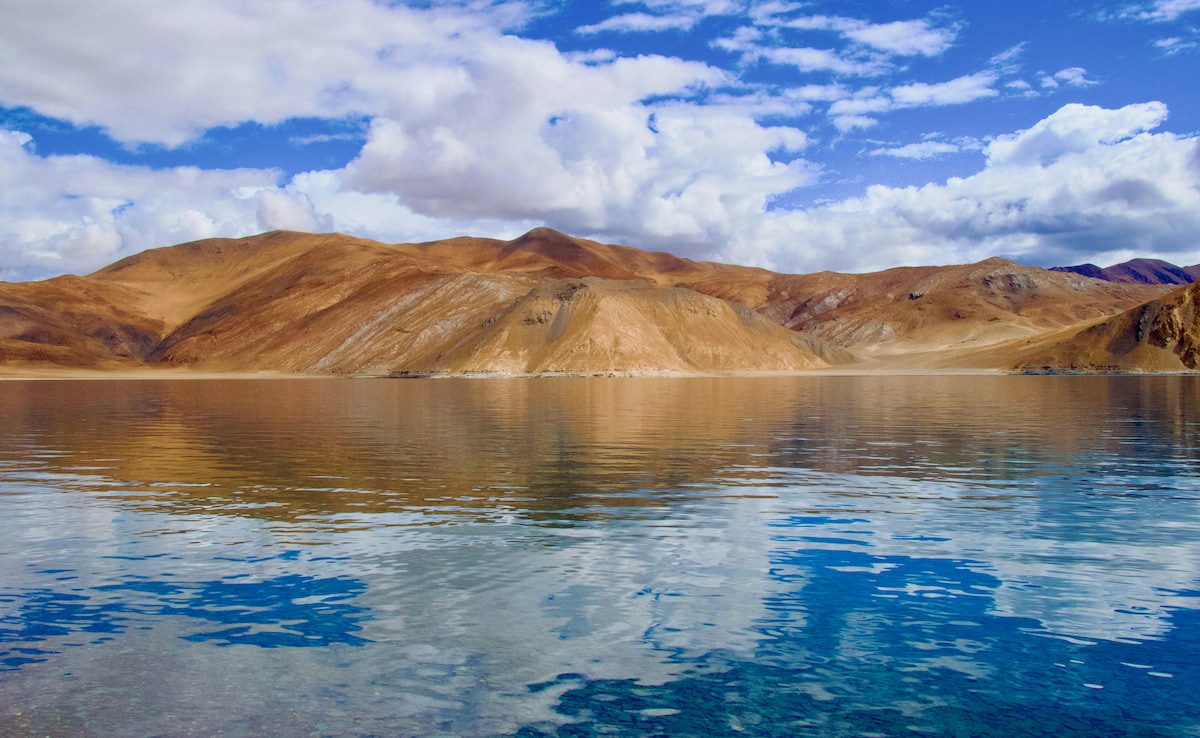
High-altitude lake known for silence, scale, and changing colours
Pangong Tso feels unreal even before the silence settles in. The lake stretches endlessly, its water shifting between turquoise and deep blue depending on sunlight and cloud cover. The surrounding mountains are stark and bare, stripped of excess colour. There are no towns nearby and little movement to break the stillness.
Standing by the shore, the absence of sound becomes physical. Wind appears briefly, water laps gently, and then everything returns to quiet. The mind stops scanning the horizon. Attention narrows. Peace here comes from scale and emptiness, not decoration.
How The Journey Shapes The Experience
The drive from Leh gradually removes familiarity. Settlements thin out, roads become quieter, and altitude increases steadily. By the time Pangong Tso appears, the body has already adjusted to a slower rhythm, making the stillness at the lake feel natural rather than abrupt.
Pangong Tso Travel Details And Altitude Guide
- Altitude: Around 4,350 metres
- Access: Road journey from Leh
- Trek difficulty: No trekking required
- Best time to visit: May to September
- Ideal stay: Overnight stay to experience sunrise and sunset
Who Should Visit Pangong Tso Lake
Travellers seeking visual calm, high-altitude landscapes without trekking, and a sense of complete isolation will find Pangong Tso deeply grounding.
2. Chopta Lake, Himachal Pradesh
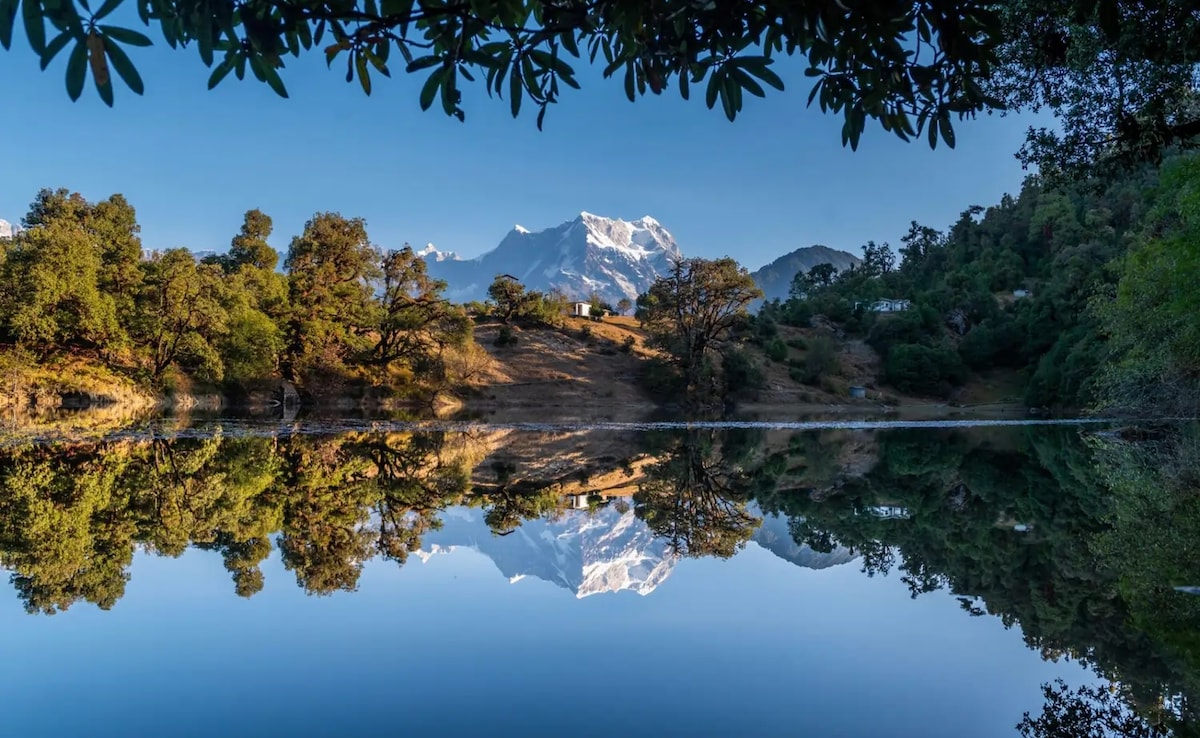
A moderate Himalayan trek through forests and alpine meadows
Chopta Lake offers a gentler form of peace. The calm here builds slowly through movement rather than arriving all at once. The trek winds through rhododendron forests that bloom with colour in spring before opening into wide alpine meadows.
Bird calls replace conversation. Footsteps soften. The environment encourages an unhurried pace. The lake itself sits quietly in a sheltered valley, surrounded by mountains that feel protective rather than imposing.
What Makes The Chopta Lake Trek So Calming
The steady rhythm of walking shapes the experience. Each step slows breathing and thought. The gradual ascent prevents exhaustion and allows the body to adjust naturally. By the time the lake appears, calm feels earned and unforced.
Chopta Lake Trek Details And Best Time To Visit
- Altitude: Around 3,680 metres
- Access: Trek from Khajjiar or Dalhousie
- Trek difficulty: Moderate, suitable for beginners
- Best time to visit: April to June
- Ideal stay: One night near the lake
Who Should Choose Chopta Lake
This lake suits first-time trekkers, slow travellers, and those who associate peace with walking rather than complete isolation.
Also Read: 7 Best Road Trips In India Every Driving Enthusiast Should Experience
3. Gurudongmar Lake, Sikkim
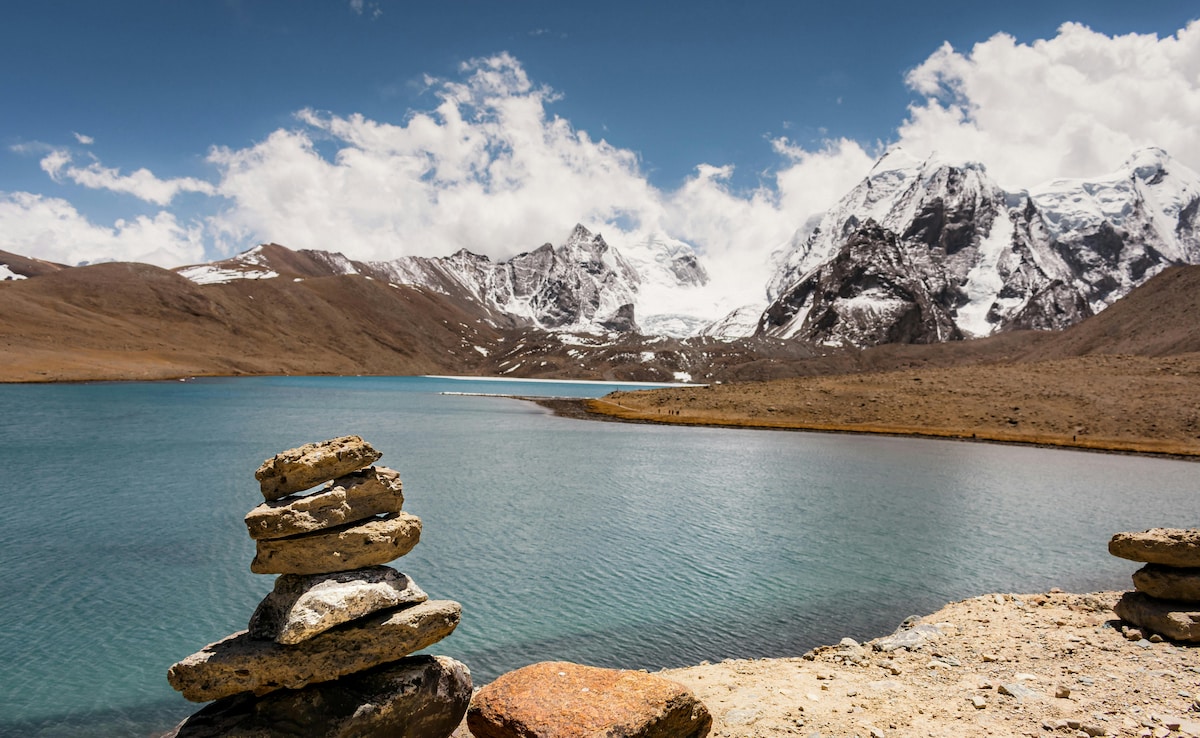
One of the highest lakes in India with spiritual significance
Gurudongmar Lake sits at over 5,400 metres and carries deep spiritual importance for Buddhists and Sikhs. That reverence shapes the atmosphere immediately. Voices drop naturally. Movement becomes measured. Silence feels respectful rather than empty.
Snow-covered peaks frame the lake, and prayer flags flutter gently in thin air. Even in summer, the cold remains sharp. The stillness here feels ceremonial, shaped as much by belief as by landscape.
How Altitude Shapes The Gurudongmar Lake Experience
The altitude forces conscious breathing and slower movement. Many visitors feel the effects of thin air quickly, which encourages short stays and quiet observation. The physical challenge reinforces presence and awareness.
Gurudongmar Lake Travel And Acclimatisation Guide
- Altitude: Around 5,430 metres
- Access: Road journey via Gangtok and Lachen
- Trek difficulty: No trekking required
- Best time to visit: April to June
- Ideal stay: Short visit due to extreme altitude
Who Should Visit Gurudongmar Lake
Spiritual travellers, experienced high-altitude visitors, and those seeking reverence rather than recreation will connect most strongly with this lake.
4. Tso Moriri Lake, Ladakh
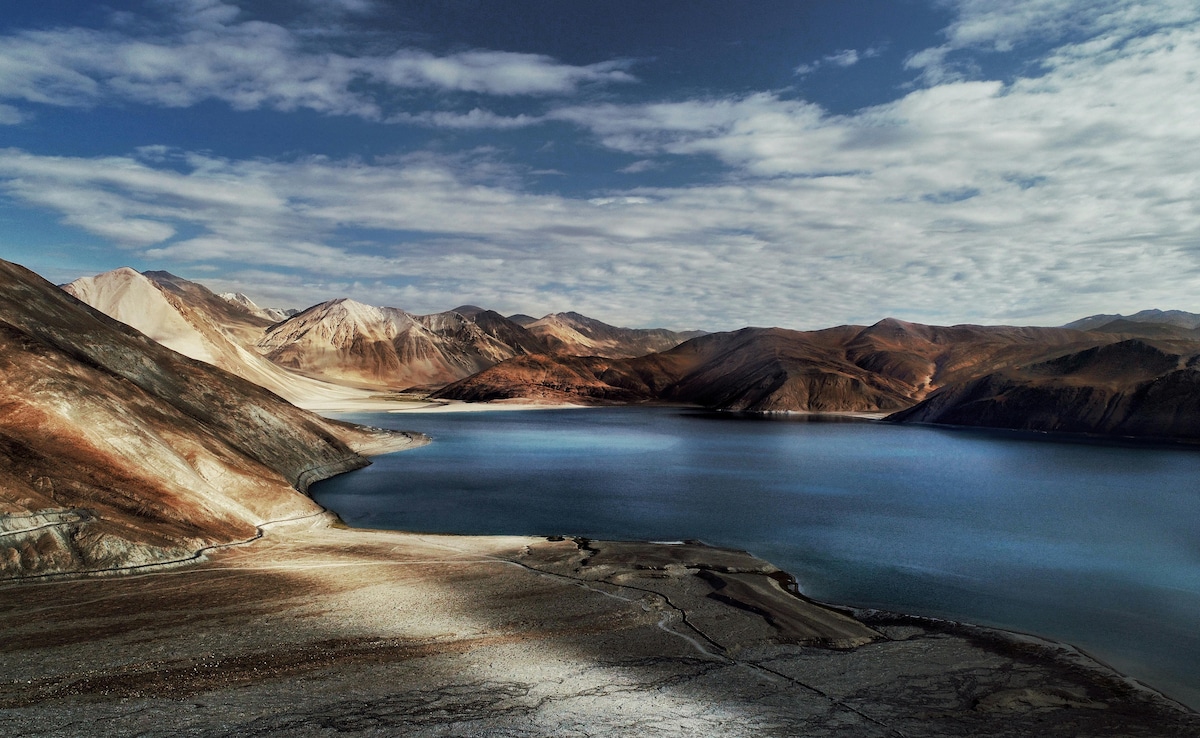
A remote high-altitude lake on the Changthang plateau
Tso Moriri lies deep within the Changthang plateau, far from major routes. The lake reflects the sky so clearly that boundaries between land and water blur. Wildlife moves freely around its shores, largely unaffected by human presence.
The silence here feels powerful rather than gentle. There is no attempt to impress. The landscape exists on its own terms.
What Makes Tso Moriri Feel So Isolated
The long drive removes layers of civilisation gradually. Roads deteriorate. Facilities disappear. By the time the lake appears, expectations fall away. The sense of isolation becomes the defining feature of the experience.
Tso Moriri Travel Route And Altitude Information
- Altitude: Around 4,595 metres
- Access: Road journey from Leh
- Trek difficulty: No trekking required
- Best time to visit: June to September
- Ideal stay: One night near the lake
Who Should Visit Tso Moriri Lake
Seasoned travellers, solitude seekers, and those comfortable with limited infrastructure will appreciate Tso Moriri most.
5. Rara Lake, Himachal Pradesh
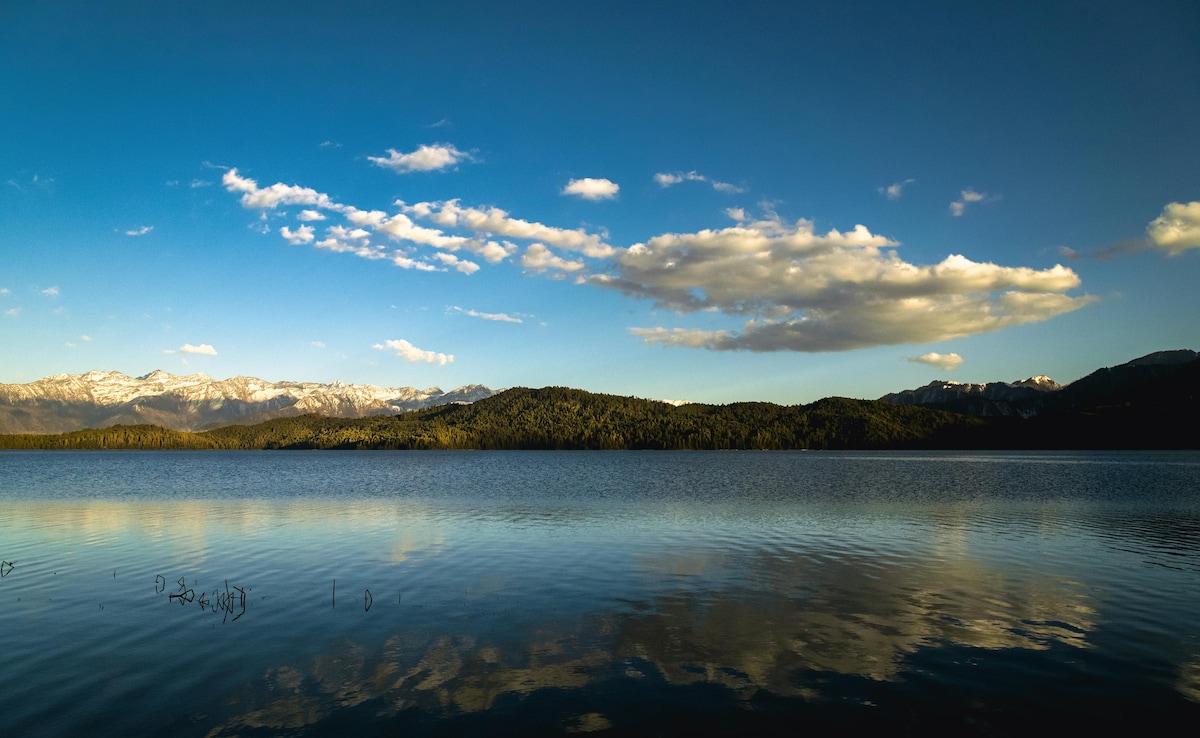
A lesser-known Himalayan lake reached by a forest trek
Rara Lake remains largely unknown, which protects its calm. Few travellers make the effort to reach it, and fewer stay long. The lake sits quietly among pine trees and enclosing mountain walls, absorbing sound rather than reflecting it.
The stillness here feels uninterrupted and deeply private.
How The Rara Lake Trek Disconnects You From Noise
The trek passes through forests and open meadows, gradually removing signs of modern life. Phone signals disappear. Roads are replaced by streams. By the time the lake appears, detachment feels complete.
Rara Lake Trek Details And Travel Planning
- Altitude: Around 4,200 metres
- Access: Trek from villages near Reckong Peo
- Trek difficulty: Moderate
- Best time to visit: May to September
- Ideal stay: Overnight camping
Who Should Visit Rara Lake
Experienced trekkers, solitude seekers, and travellers drawn to lesser-known Himalayan trails will value Rara Lake's quiet isolation.
Also Read: 5 Reasons Why Sri Lanka Is Emerging As A Top Getaway For Indians This Winter
Why Himalayan Lakes Offer A Different Kind Of Peace
The Himalayas are often defined by intensity. Height. Challenge. Motion. Yet their quiet corners reveal something more lasting. These five Himalayan lakes represent different expressions of peace, shaped by scale, walking, reverence, remoteness, and obscurity.
Each lake demands effort. That effort preserves silence. In return, these places offer a gradual reset rather than instant relief. In a world dominated by constant noise, these Himalayan lakes remind us that peace is not immediate. It is approached slowly, often uphill, and always with intention.
Track Latest News Live on NDTV.com and get news updates from India and around the world


