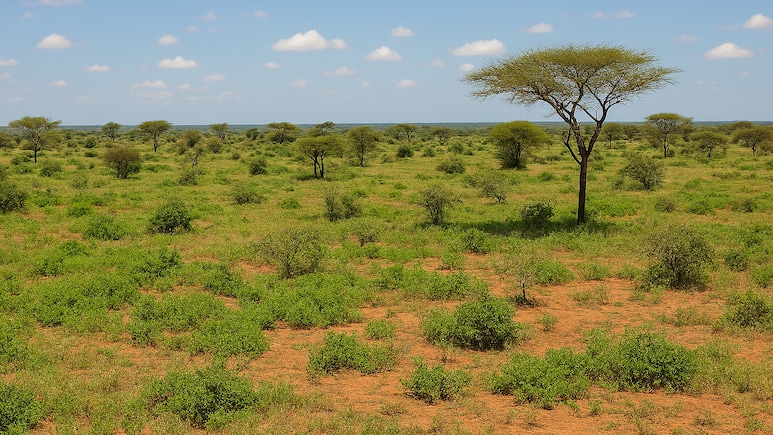
Certain landscapes around the world challenge what we think we know about deserts. These regions receive very little rainfall yet look surprisingly lush at first glance. Their greenery can come from unique ecosystems, climate shifts or even human intervention. Despite their fresh, vibrant appearance, they still fall under the strict scientific definition of a desert. This contrast makes them fascinating to explore, showing how nature adapts in unexpected ways. Such places remind us that deserts are far more varied than the familiar image of endless dunes.
Green Deserts: Regions That Look Lush But Are Still Arid
1. Thar Desert, India
The Thar Desert has seen a remarkable transformation over the last two decades, with a 38 percent rise in green cover due to increased monsoon rainfall and expanding agriculture. Despite being one of the world's most densely populated deserts, it now shows patches of farmland, vegetation and settlements. Its greening is striking because it remains a dryland area with low water availability, yet human activity and climate shifts are altering its appearance.
Also Read: Why A Night At Rajasthan's Thar Desert Hits Different
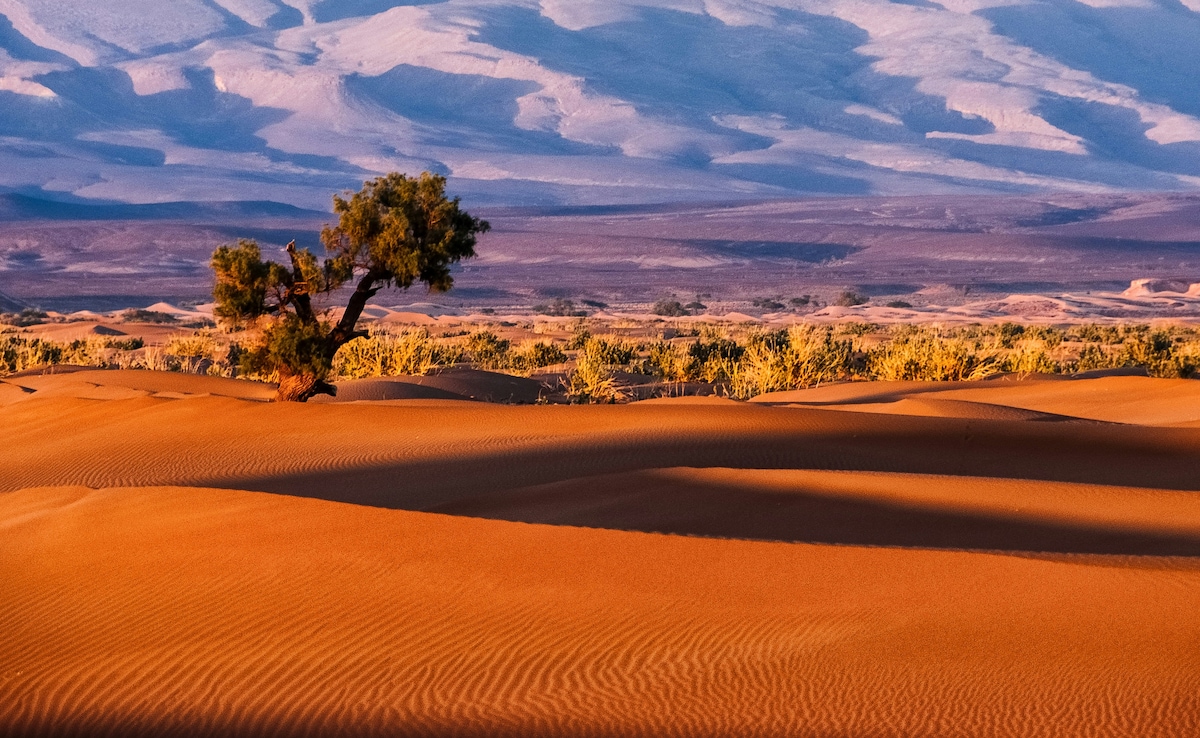
Photo Credit: Unsplash
2. The Sahel Region, Africa
The Sahel, bordering the Sahara, is classified as a dryland with low rainfall, but many parts have become greener in recent years due to increasing CO2 levels that enhance plant growth even in arid zones. Countries from Chad to Niger are witnessing more vegetation cover, giving the landscape a surprisingly green look during certain months. Although greener, the region still faces water scarcity and fragile soils typical of desert environments.
3. Negev Desert, Israel
The Negev is technically a desert receiving very little precipitation, yet vast areas now appear green thanks to advanced micro-irrigation techniques that support agriculture in the region. Farms, orchards and even vineyards thrive here through careful water management. From a distance, sections of the Negev resemble fertile farmland rather than a desert, even though its climate remains hyper-arid.
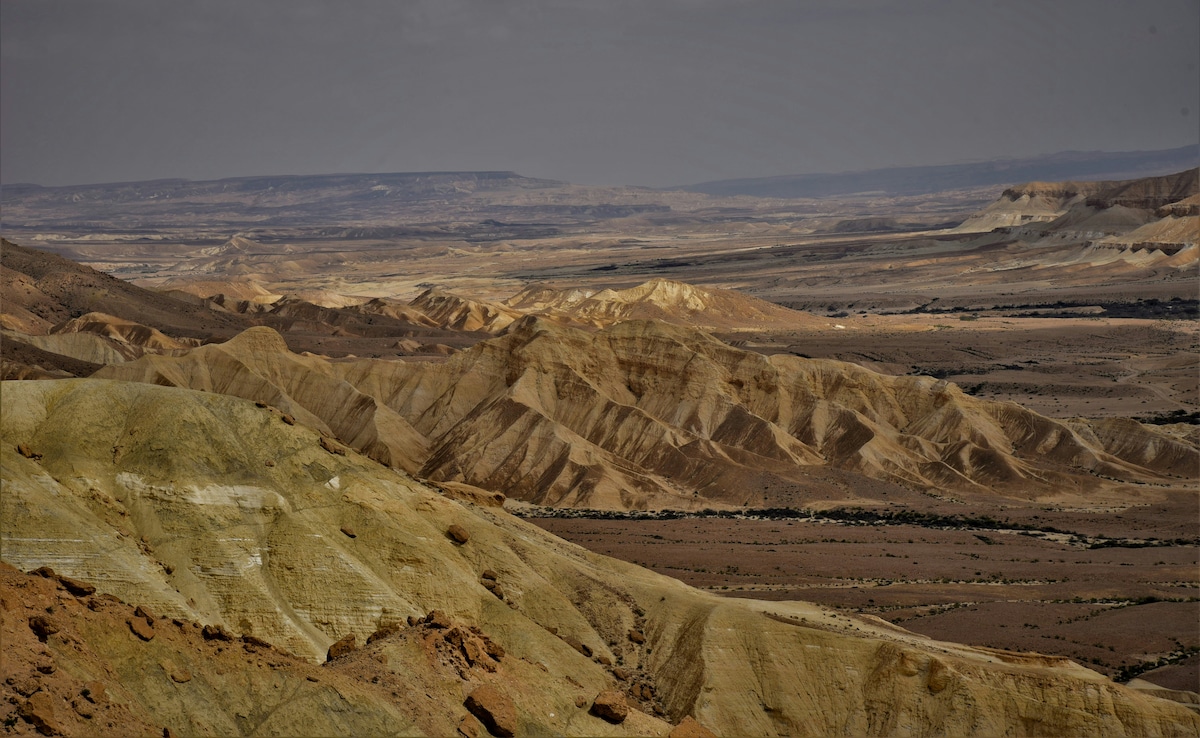
Photo Credit: Unsplash
4. Oregon's High Desert, United States
Oregon's High Desert receives less than 10 inches of rainfall annually, qualifying it as a desert, but its landscape is dominated by juniper flats, sagebrush forests and winter snowfall instead of sand dunes. These hardy plants give the region a surprisingly green and rugged appearance for much of the year. Although it looks more like a mountain country, it remains a true desert based on its precipitation levels.
5. Atacama Fog Oases (Lomas), Chile & Peru
The Atacama Desert is one of the driest places on Earth, yet its Pacific-facing hills contain surprising green patches called fog oases or lomas. These areas flourish because dense coastal fog drifts inland and condenses on vegetation, supplying moisture without rainfall. Research shows these green zones form "islands" of plant life within an otherwise barren desert, and some flourish only once every decade depending on fog cycles.
Also Read: Why Travellers Are Choosing Antarctica Over Beaches, Cities And Deserts
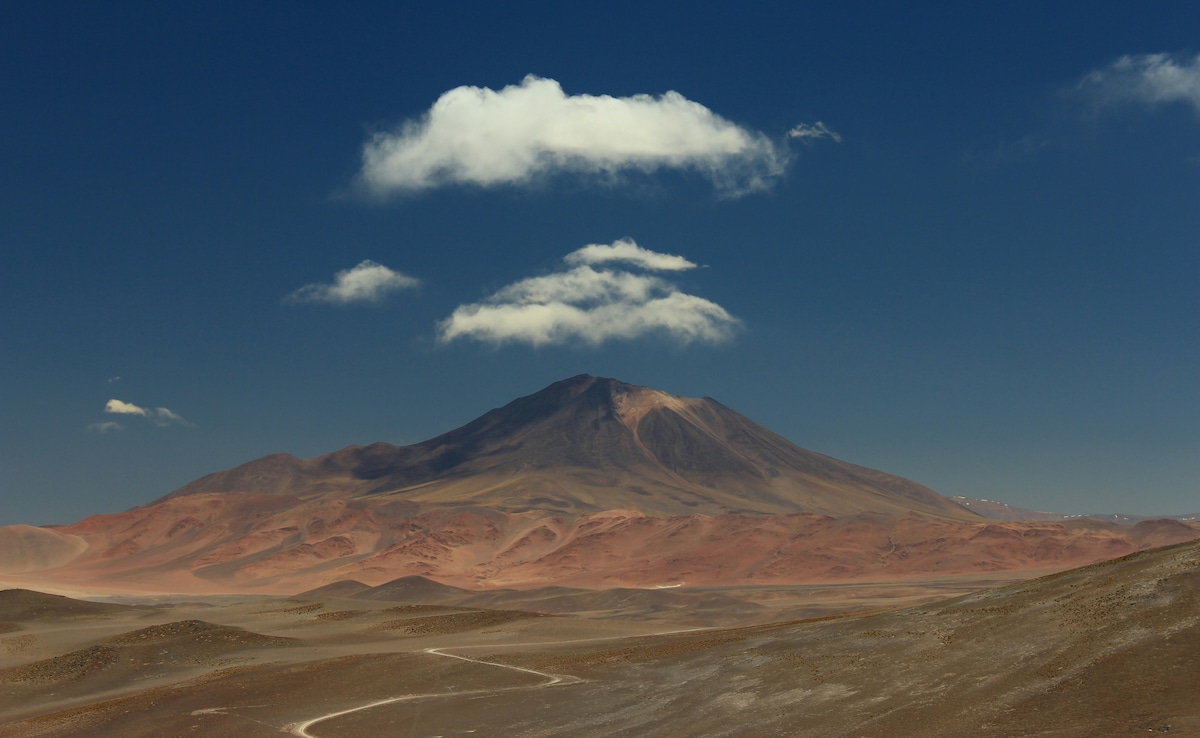
Photo Credit: Unsplash
So, the next time you picture a desert, remember that some of them are far greener than you might think.
Track Latest News Live on NDTV.com and get news updates from India and around the world


