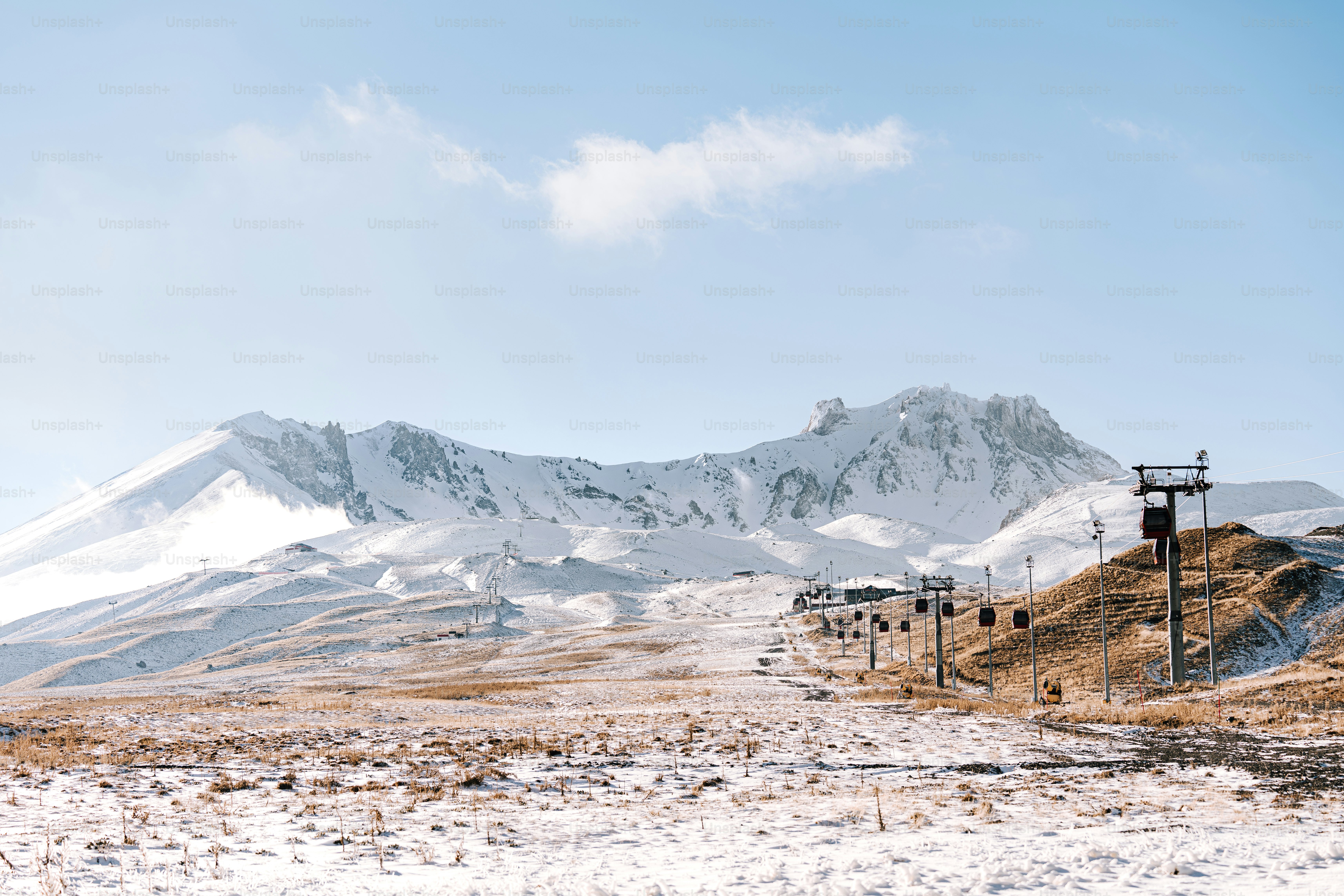
Most Indians think snow trekking means heading to Switzerland or Norway. But here's the truth: some of the world's most challenging and beautiful snow treks are right here in India. We're talking about places where temperatures drop to -30°C, where frozen rivers become trekking routes, where the air is so thin you have to consciously remind yourself to breathe. These aren't your usual hill stations with a light dusting of snow. These are serious cold-weather destinations where winter changes everything, where the landscape transforms into a white wilderness, and where adventure takes on a whole new meaning.
Spiti Valley, Leh-Ladakh, and Dras aren't just cold. They're sub-zero playgrounds for trekkers who want something beyond the ordinary. The frozen Zanskar River, snow-covered monasteries perched on cliffs, villages where life slows to a crawl in winter, these places offer experiences you can't replicate anywhere else. This isn't about ticking destinations off a list. It's about testing yourself against nature, experiencing silence so profound it feels sacred, and understanding what "cold" really means. Let's dive deep into these three towns, how to reach them, what to do, and most importantly, the snow treks that make them legendary.
Also Read: Complete Uzbekistan Travel Guide For Indian Travellers: Visa, Budget & Best Cities
1. Spiti Valley, Himachal Pradesh: The Middle Land Frozen in Time
Why Spiti in Winter?
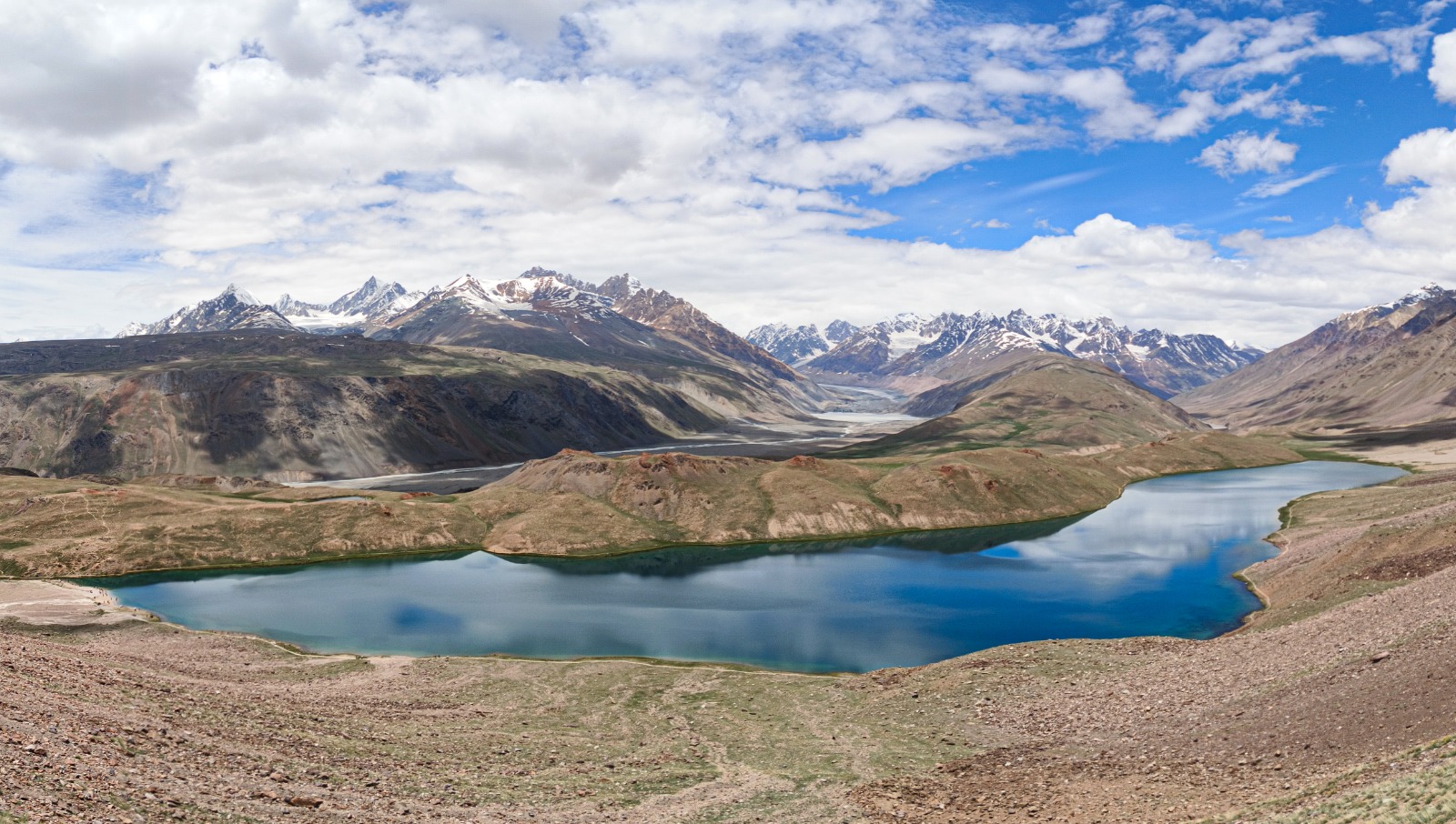
Spiti Valley translates to "the middle land" because it sits between Tibet and India. In winter, it becomes one of India's most isolated regions. Temperatures drop to -20°C to -30°C. Snow blankets everything. Roads close. The handful of tourists who visit in summer disappear. What remains is raw, untouched beauty and a handful of hardy souls who call this frozen desert home.
How to Get There:
The Manali-Spiti route closes in winter due to heavy snowfall at Kunzum Pass and Rohtang Pass. Your only option is via Shimla-Kinnaur route through Rekong Peo. Here's the breakdown:
- By Air: Fly to Chandigarh or Delhi, then take a bus/taxi to Shimla (7-8 hours from Chandigarh).
- By Road: From Shimla, take a shared taxi or bus to Rekong Peo (235 km, 8-10 hours). Stay overnight to acclimatise. From Peo, continue to Kaza via Nako and Tabo (200 km, 10-12 hours depending on road conditions).
- Important: Carry multiple layers, thermals, waterproof jackets, and plenty of cash. ATMs in Kaza may not work.
What to Do:
Kaza Exploration: The capital of Spiti, Kaza sits at 3,800 metres. In winter, it's eerily quiet. Visit the local monastery, walk through snow-covered lanes, and warm up with butter tea in homestays.
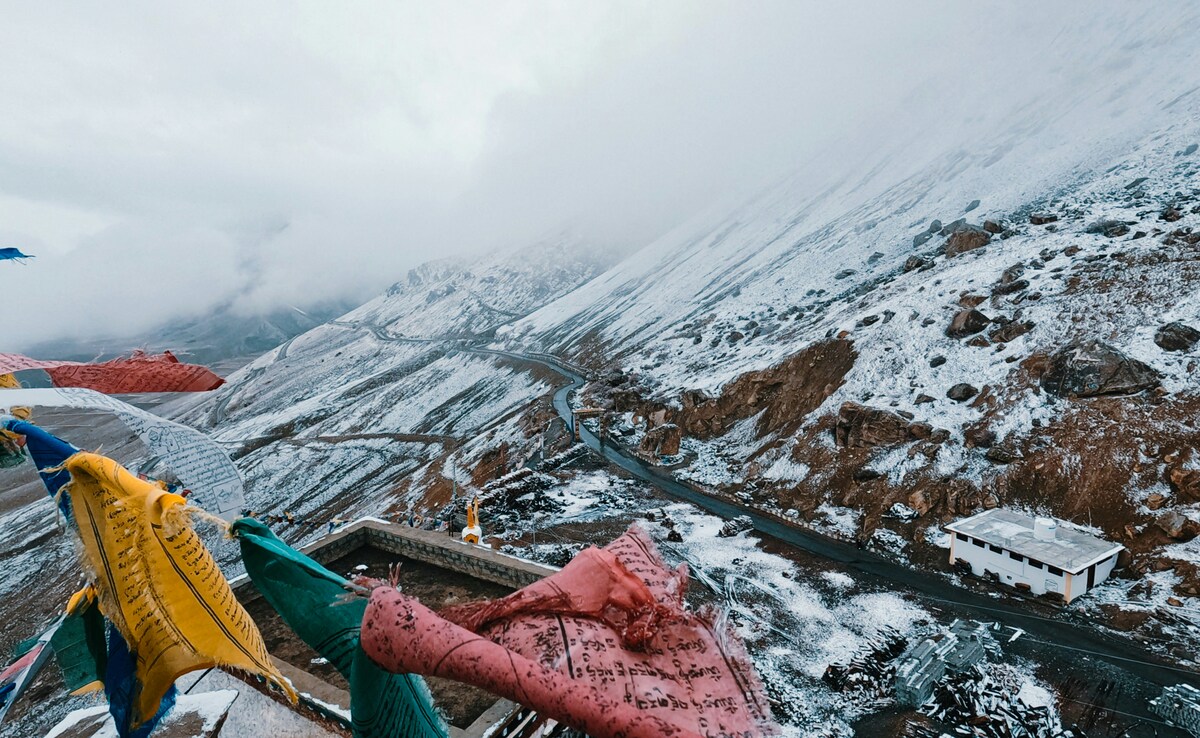
Key Monastery: One of the oldest and largest monasteries in Spiti, perched dramatically on a hill. In winter, reaching it through snow is an adventure in itself. The monastery looks surreal covered in white, with prayer flags frozen stiff in the wind.
Kibber Village: At 4,270 metres, Kibber is one of the highest motorable villages in the world. Winter here is intense. The village gets cut off for months. But the experience of seeing life at this altitude in these conditions is unforgettable.
Hikkim and Komic: Hikkim has the world's highest post office. Send a postcard from here. Komic, at 4,587 metres, has the Tangyud Monastery. Both villages are frozen, silent, and stunning.
Snow Trekking Routes and Experiences:
1. Dhankar Lake Winter Trek
- Difficulty: Moderate to Difficult
- Duration: 4-5 hours round trip
- Altitude: 4,270 metres
- Details: Start from Dhankar village (accessible from Kaza). The trail climbs steeply through snow. In winter, the lake freezes completely. The climb is tough because of the altitude, thin air, and snow-covered path. You'll need microspikes or crampons. The view of the frozen turquoise lake surrounded by snow-covered peaks is worth every difficult step. Carry water, energy bars, and wear multiple layers.
2. Kibber to Chicham Trek
- Difficulty: Easy to Moderate
- Duration: Full day
- Altitude: 4,000 metres+
- Details: Walk from Kibber village to Chicham Bridge, one of Asia's highest bridges at 4,000+ metres. The trail follows the valley floor, crossing frozen streams. The bridge itself hangs 1,000 feet above a gorge. In winter, the gorge is filled with ice and snow. Walking across in sub-zero temperatures with wind howling is exhilarating and terrifying.
3. Pin Valley Winter Trek
- Difficulty: Difficult
- Duration: 3-4 days
- Altitude: 3,500-4,000 metres
- Details: Pin Valley is a side valley of Spiti, known for snow leopards. Winter treks here require guides. The valley is pristine, isolated, and covered in deep snow. You'll camp in tents, trek through frozen rivers, and experience silence like nowhere else. This is for experienced trekkers only.
Pro Tips for Spiti Winter:
- Acclimatise properly. Spend at least one night at Peo before heading higher.
- Homestays are the best accommodation. Hotels may be closed.
- Drink butter tea constantly. It's high in calories and keeps you warm.
- Shared taxis are your lifeline. Buses don't run in winter.
- Carry Diamox for altitude sickness after consulting a doctor.
2. Leh-Ladakh: The Land of High Passes Frozen Solid
Why Leh-Ladakh in Winter?
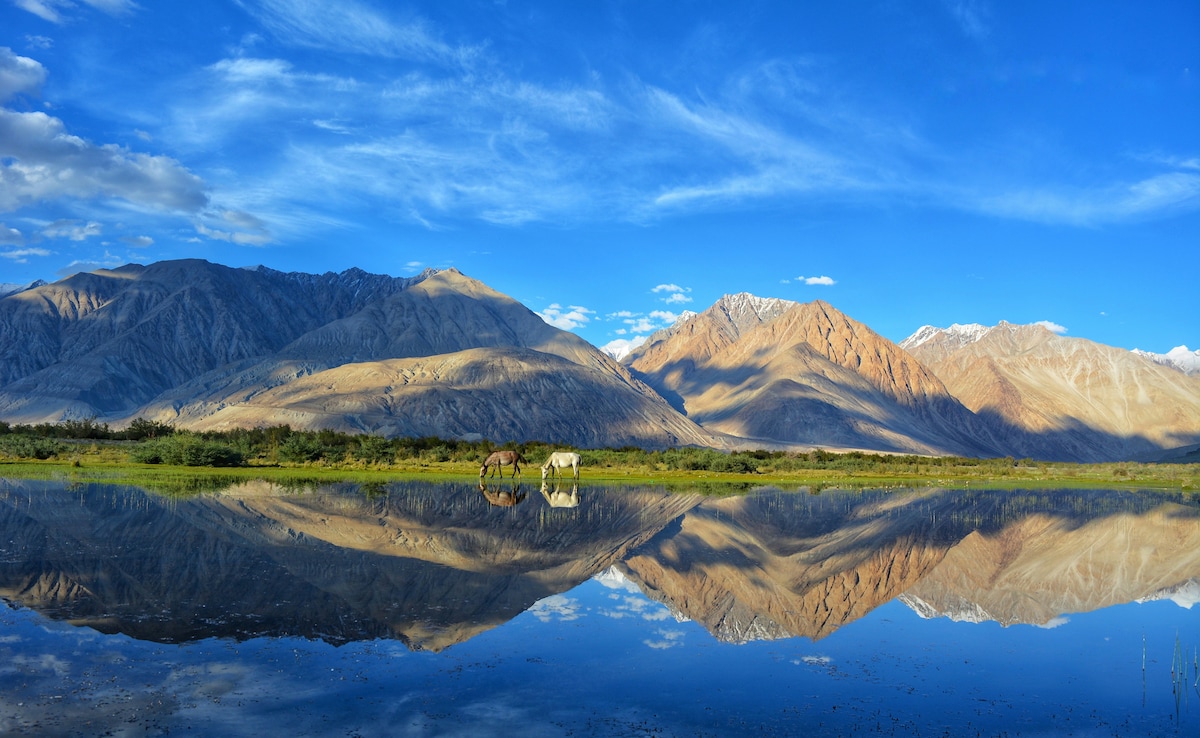
Leh in winter is a different beast. Temperatures range from -11°C to -30°C. Pangong Tso freezes completely. The Zanskar River turns into the Chadar, a sheet of ice you can walk on. This is when Ladakh reveals its most extreme, most beautiful self.
How to Get There:
- By Air: The most practical option. Kushok Bakula Rimpochee Airport connects Leh to Delhi, Mumbai, Srinagar, and Chandigarh with daily flights. From the airport, Leh city is 3 km away.
- By Road (Winter): The Manali-Leh route closes in October and reopens in May/June. The Srinagar-Leh route via Zoji La stays open but is unpredictable due to snowfall. Roads get blocked frequently. Not recommended unless you're experienced and have buffer days.
What to Do:
Leh Town: Explore Leh Palace, Shanti Stupa, local markets. The town feels quieter in winter. Shops close early. But the clear skies and snow-covered mountains make it magical.
Frozen Pangong Tso: The lake that's blue and liquid in summer turns into a white, frozen expanse in winter. You can walk on it (carefully). The experience of standing on a frozen lake at 4,350 metres with nothing but white around you is surreal.
Hemis National Park (Snow Leopard Trek): Winter is when snow leopards descend to lower altitudes. Hemis National Park offers guided snow leopard treks. You trek through deep snow, camp in freezing conditions, and hope to spot the elusive big cat. Success isn't guaranteed, but the journey is incredible.
Also Read: 24 Hours In Varanasi: What To Do, Where To Go And All You Need To Know
Snow Trekking Routes and Experiences:
1. Chadar Trek (Frozen Zanskar River)
- Difficulty: Extremely Difficult
- Duration: 8-9 days
- Altitude: 3,200-3,500 metres
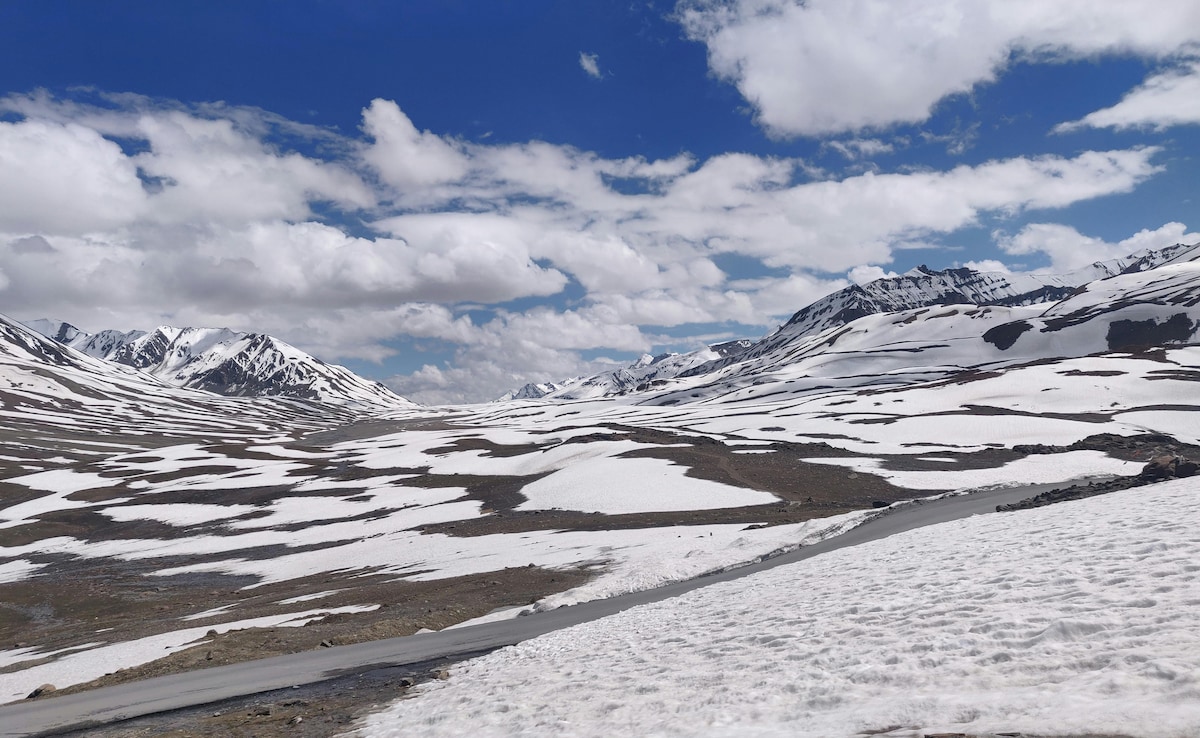
- Details: This is India's most famous winter trek. The Zanskar River freezes, and you walk 105 km on ice. The ice thickness varies. Sometimes you walk on solid sheets. Sometimes you hear cracks beneath your feet. Temperatures drop to -25°C to -35°C. You camp in caves. Your water bottle freezes overnight. But the experience of walking through a frozen gorge with 600-foot cliffs on either side is incomparable. Only for those in excellent physical condition. Book through registered operators only.
2. Markha Valley Winter Trek
- Difficulty: Moderate to Difficult
- Duration: 7-8 days
- Altitude: 3,300-5,200 metres
- Details: Usually a summer trek, Markha Valley in winter is for serious trekkers. Snow covers the entire trail. You cross frozen streams, walk through villages where families huddle around bukhari stoves, and climb Kongmaru La at 5,200 metres. The pass in winter is brutal. Wind, snow, altitude. But the views of snow-covered Kang Yatse and Stok Kangri peaks are stunning.
3. Stok Kangri Winter Expedition
- Difficulty: Extremely Difficult (Mountaineering)
- Duration: 10-12 days
- Altitude: 6,153 metres
- Details: Stok Kangri is a popular summer trek. In winter, it becomes a mountaineering expedition. Deep snow, avalanche risk, extreme cold. You need technical gear, ropes, ice axes. Success rate is low. But for mountaineers, summiting Stok in winter is a badge of honour.
Pro Tips for Ladakh Winter:
- Acclimatise for at least 2 days in Leh before trekking.
- Hire local guides. They know the terrain, weather patterns, and safe routes.
- Layers are everything. Thermal base layer, fleece mid-layer, waterproof outer layer.
- Carry high-calorie snacks. Your body burns calories fast in the cold.
- BSNL is the only network that works reliably. Get a BSNL SIM.
3. Dras, Jammu & Kashmir: India's Coldest Inhabited Place

Why Dras in Winter?
Dras holds the title of India's coldest inhabited town. Winter temperatures drop to -40°C to -50°C. It's called the "Gateway to Ladakh" and sits at 3,280 metres. Dras experiences some of the harshest winters on the planet.
How to Get There:
- By Air: Fly to Srinagar. From Srinagar, Dras is 140 km (4-5 hours by road).
- By Road: The Srinagar-Leh highway passes through Dras. In winter, the road is open but frequently blocked by snow at Zoji La (11,575 feet). BRO clears snow quickly, but delays are common. Always have buffer days.
What to Do:
Kargil War Memorial: Located in Dras, this memorial honours soldiers who fought in the 1999 Kargil War. In winter, covered in snow, it feels even more poignant. The silence, the cold, the mountains, everything reminds you of the soldiers who fought here in similar conditions.
Zoji La Pass: One of the most dangerous passes in India. In winter, it's even more treacherous. Snow, ice, narrow roads, steep drops. Crossing it is an adventure in itself.
Snow Trekking Experiences:
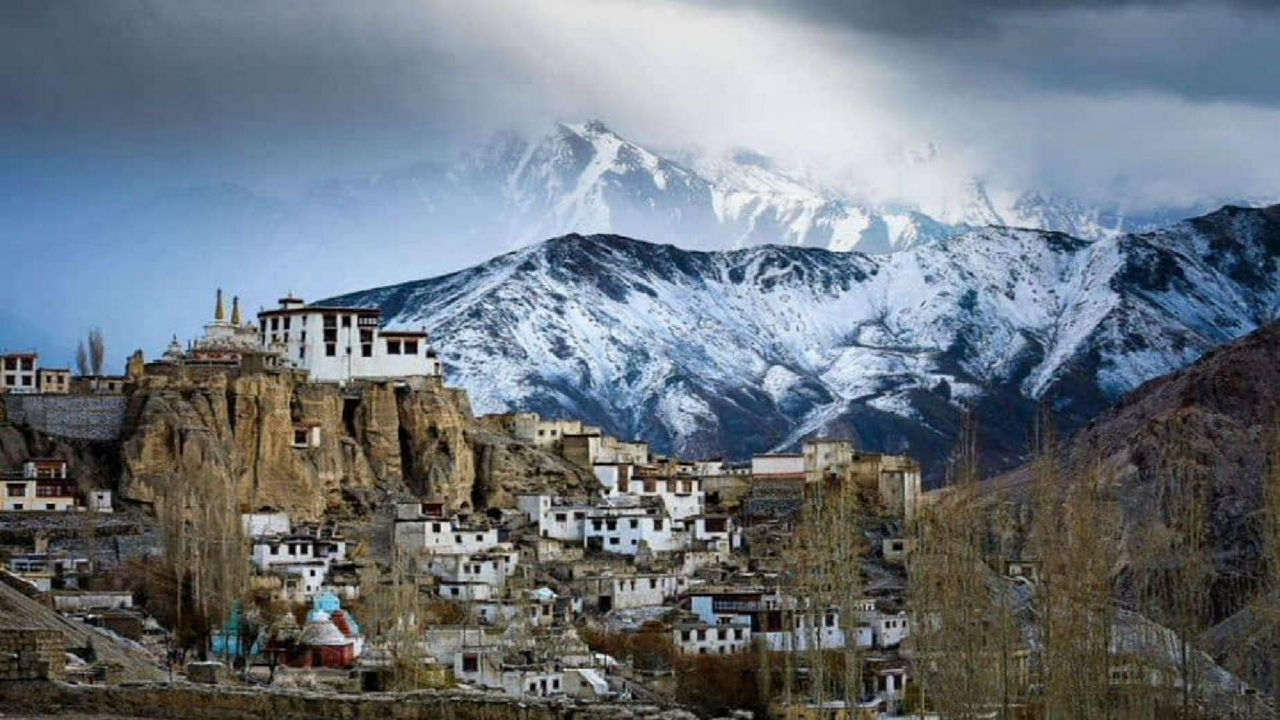
Dras doesn't have established trekking routes like Spiti or Ladakh. The extreme cold makes long treks risky. However, short snow walks around the town, exploring frozen streams, and experiencing village life in -40°C is the real trek here. Walking through Dras in winter when everything is frozen solid, when your breath freezes in the air, when locals bundle in layers you didn't know existed, that's the experience.
Pro Tips for Dras Winter:
- Don't underestimate the cold. -40°C is life-threatening if you're not prepared.
- Stay in government guesthouses or army accommodations (with permission).
- Carry hand warmers, multiple pairs of gloves, balaclavas.
- Your phone battery will die quickly in the cold. Keep it inside your jacket.
- Don't attempt Dras in peak winter (December-January) unless you're experienced with extreme cold.
Also Read:Pongal Travel Guide 2026: Best Places To Celebrate Tamil Nadu's Harvest Festival Like A Local
Essential Packing List for Sub-Zero Treks
- Clothing: Thermal innerwear (top and bottom), fleece jacket, down jacket, waterproof outer shell, trekking pants, waterproof trousers, woollen socks (multiple pairs), gloves (waterproof and insulated), balaclava, woollen cap, neck gaiter.
- Footwear: Insulated trekking boots, gaiters, microspikes/crampons for icy trails.
- Gear: Trekking poles, headlamp with extra batteries, sunglasses (UV protection), sunscreen (SPF 50+), lip balm.
- Health: Diamox (consult doctor), ORS sachets, first aid kit, personal medicines.
- Food: Energy bars, dry fruits, chocolate, glucose.
- Miscellaneous: Power bank, waterproof bag covers, thermal water bottle, toiletries, cash (lots of it).
Final Thoughts
Snow trekking in India's sub-zero towns isn't a casual holiday. It's a test. Of endurance, preparation, and your ability to handle discomfort. But it's also transformative. Walking on the frozen Zanskar River, watching sunrise over Spiti's snow-covered peaks, experiencing Dras's bone-chilling cold, these aren't things you do for Instagram. You do them because they change you. They teach you that comfort is overrated, that silence is powerful, and that nature doesn't care about your convenience. Spiti, Leh-Ladakh, and Dras in winter demand respect. They demand preparation. But if you're willing to put in the effort, layer up properly, acclimatise patiently, and embrace the discomfort, they'll reward you with experiences most people will never have. So pack that down jacket, charge that power bank, book those tickets, and go. The frozen north is waiting.
Track Latest News Live on NDTV.com and get news updates from India and around the world


