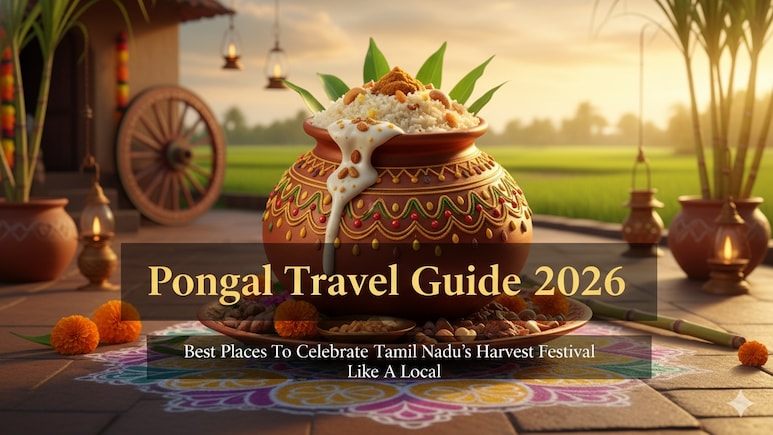
So you're thinking of travelling during Pongal? Smart move. While everyone else is booking Goa for New Year's, you're about to experience one of India's most authentic festivals. Pongal is Tamil Nadu's way of saying thank you to the sun, the earth, and the cattle. It's four days of rituals, food, colours, and pure joy. The streets fill with intricate kolams, the air smells of jaggery and ghee, families cook outdoors, and cattle wear flower garlands. If you time your visit right, you'll see a side of Tamil Nadu that no monument can show you. Here's everything you need to know.
Also Read: Complete Uzbekistan Travel Guide For Indian Travellers: Visa, Budget & Best Cities
What Exactly Is Pongal?
Pongal is a four-day harvest festival celebrated in Tamil Nadu between 14th and 17th January. The word "Pongal" means "to boil over" in Tamil, referring to the traditional dish where rice, milk, and jaggery overflow from the pot, symbolising prosperity and abundance.
The Four Days of Pongal
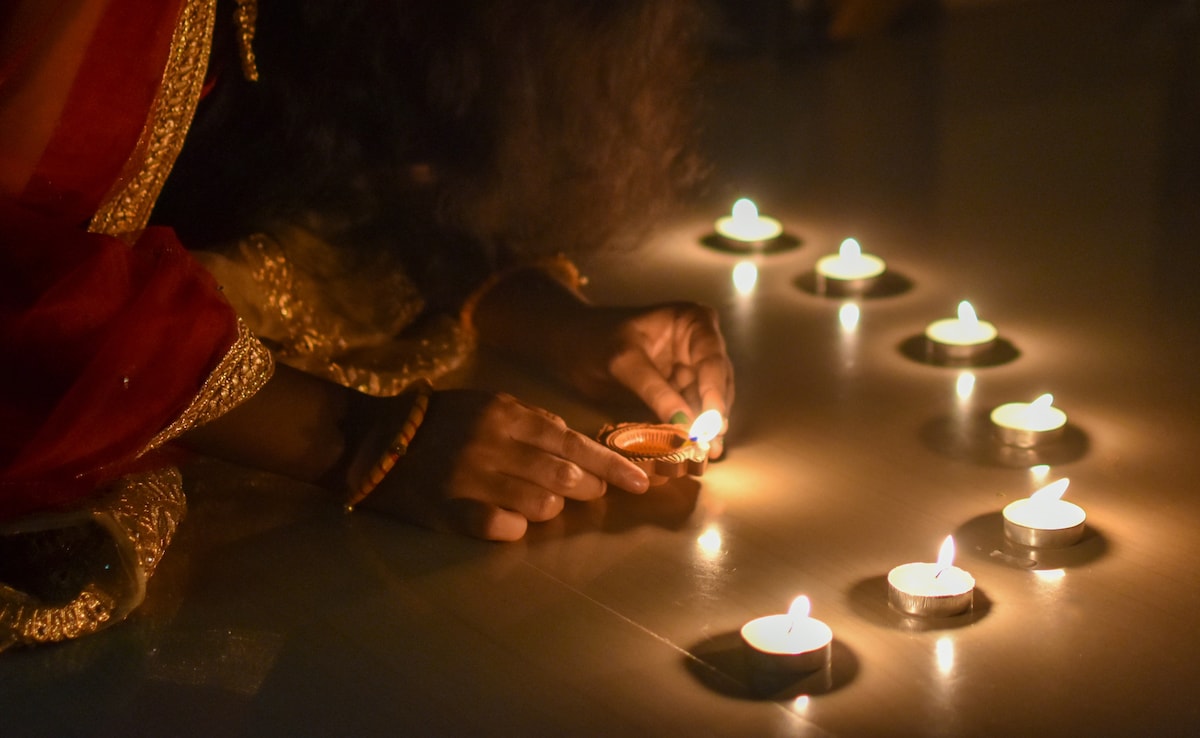
Photo Credit: iStock
Day 1: Bhogi Pongal
Bhogi is about renewal. Families clean their homes thoroughly, discard old items, and throw them into bonfires. Houses are decorated with kolams, and fresh mango leaves hang at doorways. If you're in Tamil Nadu this day, you'll see bonfires at every street corner with people singing traditional songs. Best spots: Mylapore and T Nagar in Chennai, rural villages around Madurai.
Day 2: Thai Pongal (Main Day)
This is the big day, dedicated to the Sun God. Families wake before sunrise, draw fresh kolams, and cook Pongal outdoors in clay pots. As the milk boils over, everyone shouts "Pongalo Pongal!" three times. The dish is first offered to the sun, then shared with family and friends. Head to Marina Beach in Chennai at dawn to see hundreds of families cooking together. Visit Kapaleeshwarar Temple in Chennai or Meenakshi Temple in Madurai for special prayers.
Day 3: Mattu Pongal
Mattu means cattle. This day honours cows and bulls for their agricultural contributions. Cattle are bathed, their horns painted in bright colours, and decorated with flower garlands. In villages, entire herds parade through streets. This is also when Jallikattu (bull-taming sport) happens in regions like Madurai. If you're not comfortable with the sport, stick to cattle worship ceremonies. Best places: Avaniyapuram and Palamedu near Madurai, villages around Thanjavur.
Day 4: Kaanum Pongal
The final day is about family bonding. Families visit relatives, exchange gifts, and enjoy picnics. Women prepare coloured rice balls and feed crows, praying for their brothers. Folk dances like Mayilattam are performed. It's relaxed and joyful. Best places: Elliot's Beach in Chennai, Ooty, Rameswaram.
Best Places to Celebrate Pongal
Chennai: Urban Meets Traditional
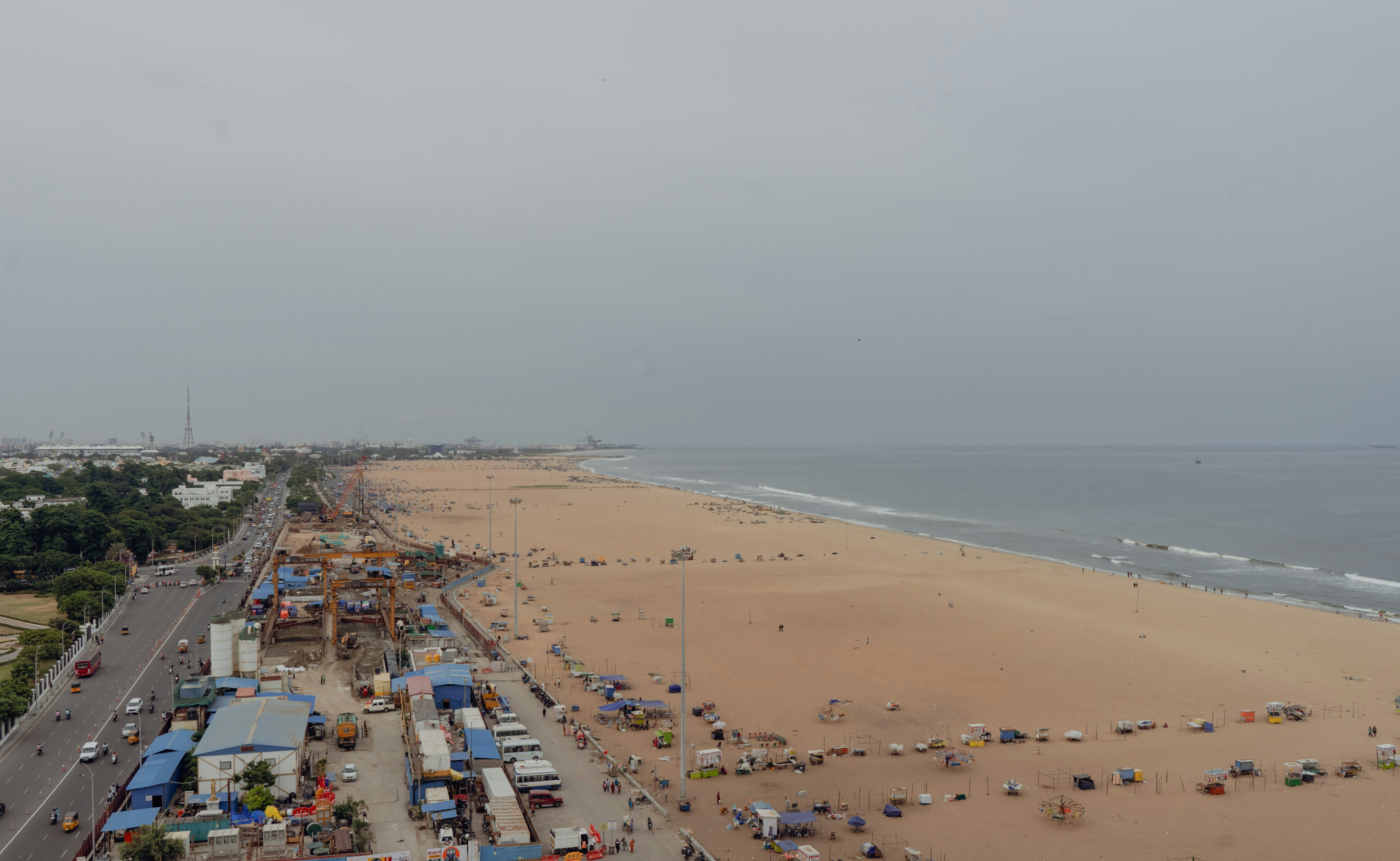
Marina Beach becomes a massive cooking ground on Thai Pongal morning. Mylapore buzzes with temple celebrations. Cultural programmes happen across the city. Visit Koyambedu Market for festive shopping. Try authentic Pongal at Saravana Bhavan. How to reach: Well connected by air, rail, and road.
Madurai: The Spiritual Heart
Meenakshi Amman Temple conducts grand rituals. Nearby villages host Jallikattu events. This is Pongal in its most authentic form. Visit village cooking ceremonies, explore markets selling earthen pots, and taste jigarthanda. How to reach: Good air and train connectivity from Chennai and Bangalore.
Thanjavur: The Rice Bowl
Known as Tamil Nadu's Rice Bowl, Thanjavur celebrates with pride. Visit Brihadeeswarar Temple, explore paddy fields, and watch cattle decorations in villages. How to reach: Accessible by train and bus from Chennai and Trichy.
Rural Villages: Most Authentic
For centuries-old traditions, head to villages around Salem, Tirunelveli, or Erode. Stay in homestays, join families in preparations, help decorate cattle, and learn kolam drawing. This is where you'll taste homemade Pongal no restaurant can match. How to reach: Take buses or trains to nearby towns, then hire autos.
How to Celebrate Like a Local
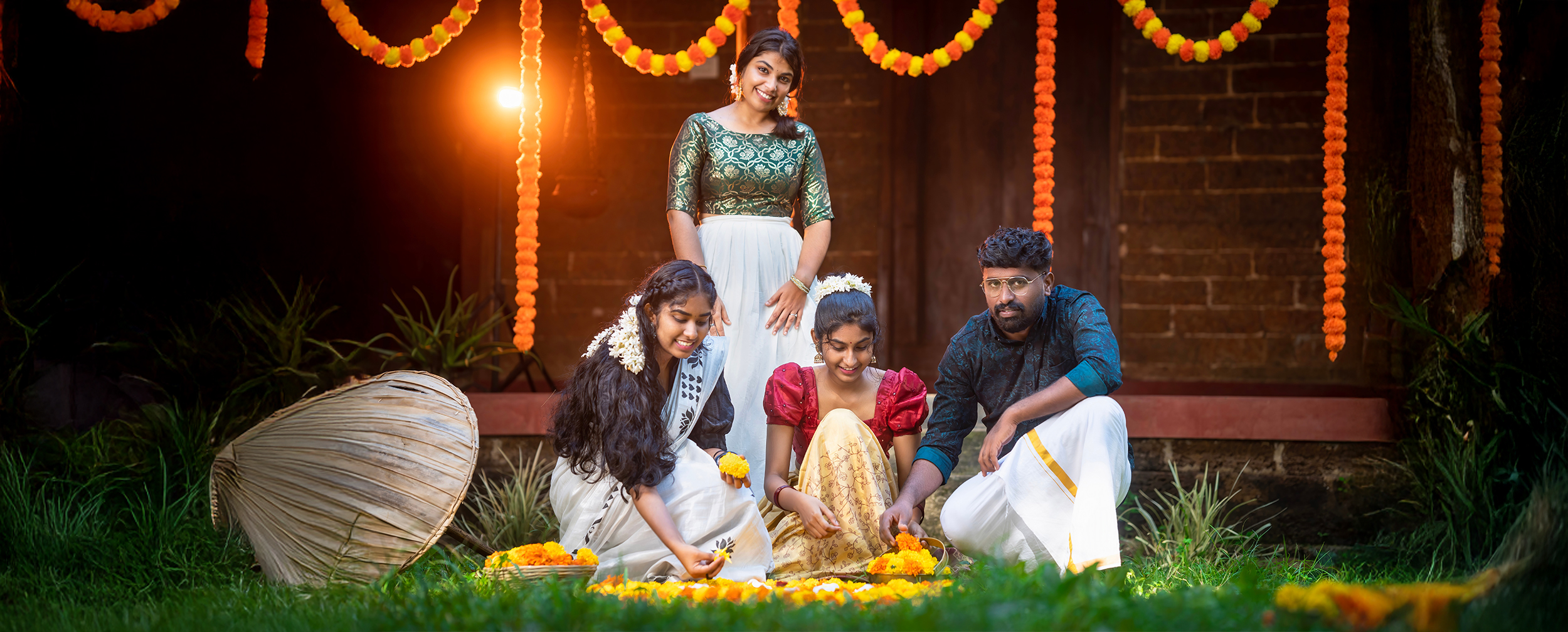
Dress Right: Wear traditional South Indian clothes. Women can wear sarees or salwar kameez, men can wear veshti with shirts. Light cotton works best.
Learn Basic Tamil:
- "Pongal Vazhthukkal" - Happy Pongal
- "Nandri" - Thank you
- "Rumba nalla irukku" - Very good
Participate: If families invite you to help cook Pongal or draw kolams, say yes. Don't just observe. Stir the pot, feed cattle, and draw kolams. That's how you'll remember this trip.
Respect Rituals: Dress modestly at temples, remove footwear, and don't take photos during prayers.
Taste Everything: Sweet Pongal, ven pongal, vadai, payasam, sugarcane juice. Never refuse food offered by locals. Tamil hospitality is unmatched.
Also Read: Which Indian City Is Called The City Of Grapes? Complete Guide To Where To Stay & What To Do
Practical Travel Tips
- Book Early: Hotels and homestays fill up fast. Book a month in advance.
- Expect Crowds: Temples and beaches will be packed. Go early morning.
- Carry Cash: Village shops don't accept cards. ATMs run out during festivals.
- Stay Hydrated: January is warm. Carry water bottles.
- Be Patient: Festival times mean delays and chaos. Go with the flow.
- Try Homestays: They offer the most authentic experience and often include you in celebrations.
Must-Try Foods
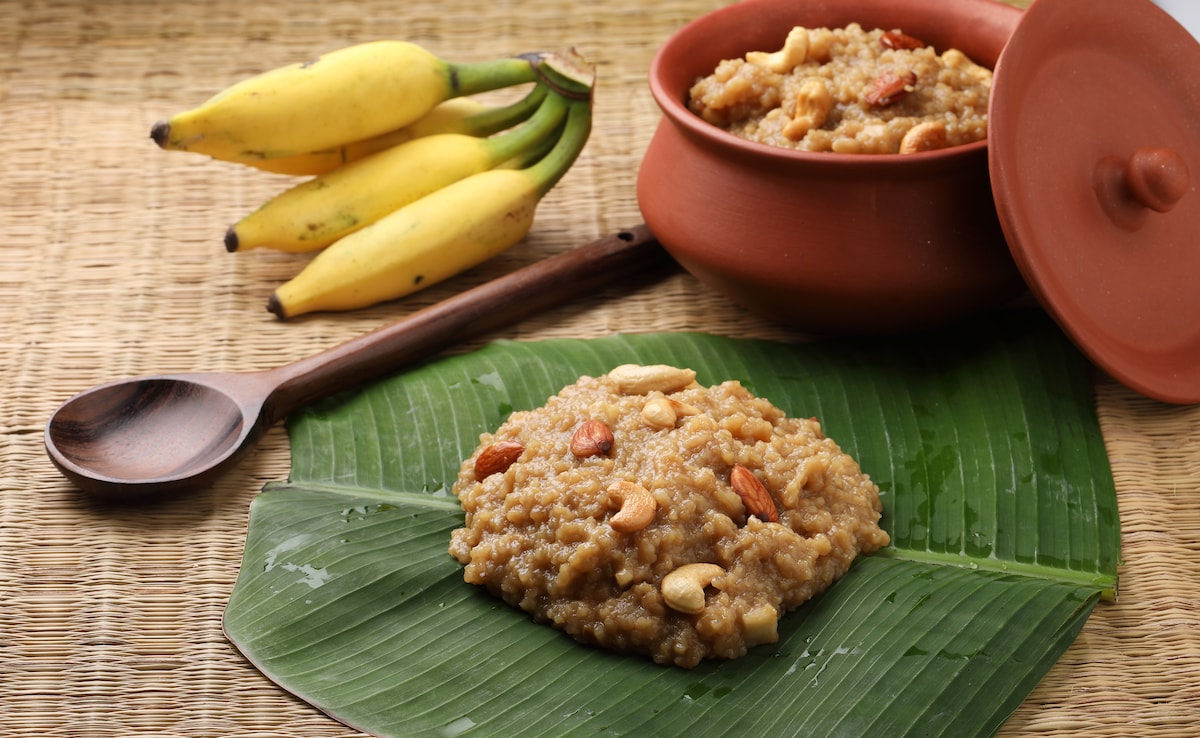
- Sweet Pongal (Sakkarai Pongal)
- Ven Pongal (savoury with pepper)
- Vadai (lentil fritters)
- Payasam (sweet pudding)
- Fresh sugarcane
- Sundal (tempered chickpeas)
- Filter coffee
What to Pack
Light cotton clothes, comfortable shoes, sunscreen, camera, hand sanitiser, and a foldable bag for prasadam and gifts.
A Note on Jallikattu
Jallikattu is controversial. It was banned, then legalised after protests in 2017. Opinions are divided. Many see it as a cultural tradition, others as animal cruelty. If you watch it, be respectful of local sentiments.
Also Read: 24 Hours In Varanasi: What To Do, Where To Go And All You Need To Know
Final Thoughts
Pongal isn't a tourist festival. It's families waking at 4 a.m. to cook together, children shouting "Pongalo Pongal," farmers decorating cattle with gratitude, and women drawing intricate kolams. When you travel for Pongal, you witness gratitude in action. You see a culture that values the sun, soil, and animals. You taste food made with joy. Approach it with respect and curiosity, and Tamil Nadu will welcome you like family. Wake up early, get your hands sticky with jaggery, feed a cow, draw a kolam, and shout "Pongalo Pongal" with everyone else. Happy travels, and Pongal Vazhthukkal!
Track Latest News Live on NDTV.com and get news updates from India and around the world


