Every city eventually reaches a point where it gets too loud, too fast, and too full. The traffic does not move, the weekends blur into the workweek, and the idea of waking up somewhere quiet starts to feel genuinely urgent. India, for all its reputation for noise and density, is also a country of extraordinary quiet places, small towns and villages that operate at a completely different pace, where the air is cleaner, the evenings are slower, and the main activity of the day is simply being somewhere that is not a city. These are ten of the best places in South India to go when you need exactly that.
Also Read: Move Over Srinagar, Gulmarg And Pahalgam, Patnitop In J&K Is Loved By Travellers For Peace And Snow
Here Are 10 Towns In South India For A Peaceful Holiday:
1. Coonoor, Tamil Nadu
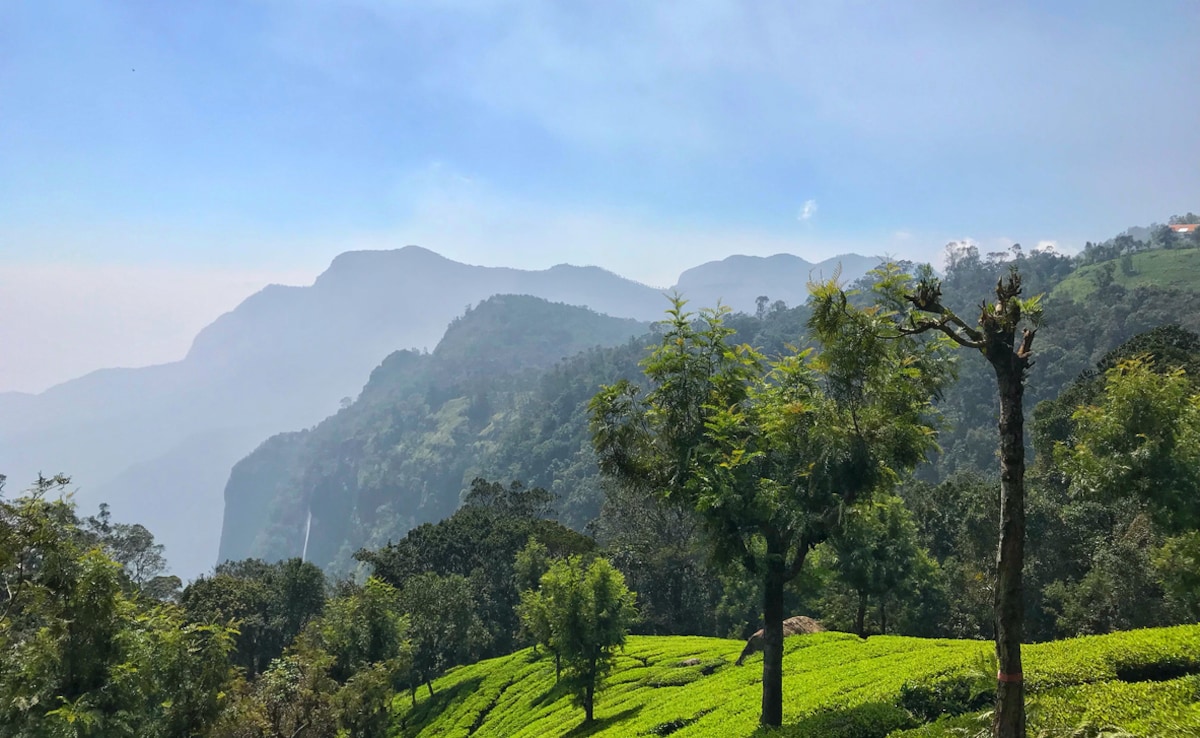
Coonoor is Ooty's quieter, less touristy sibling. While Ooty gets busloads of families and honeymooners, Coonoor remains relatively calm. The town sits at 1,850 metres in the Nilgiris, surrounded by tea estates that roll like green carpets across hillsides. Mist appears without warning. The smell of eucalyptus and tea leaves mixes in the air. Nothing here demands your attention; it just invites you to slow down.
Walk through Sim's Park (botanical garden with rare plant species), visit Lamb's Rock for valley views that disappear into clouds, and tour Highfield Tea Estate, where you can walk through actual tea plantations and watch workers plucking leaves. The Nilgiri Mountain Railway passes through Coonoor—the toy train journey from Mettupalayam to Ooty stops here, offering one of India's most scenic short train rides.
Best Time: October to May. June brings monsoon mist that's romantic but limits outdoor activities.
2. Gokarna, Karnataka
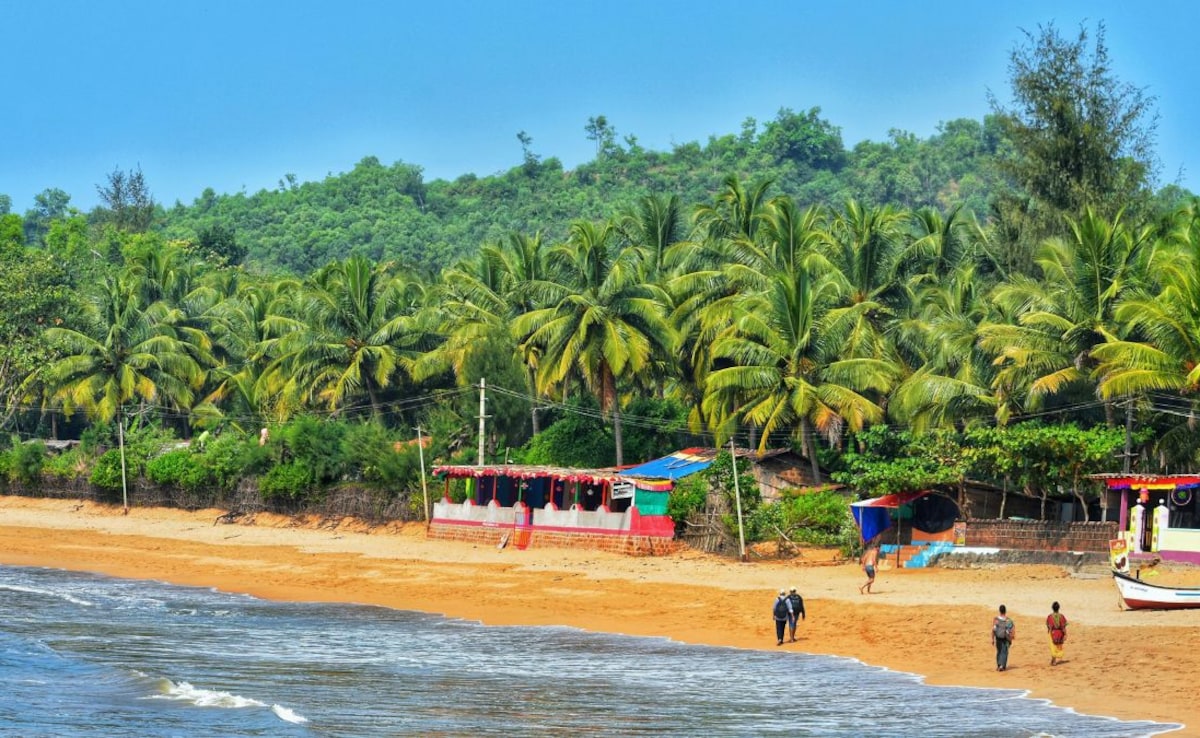
Photo Credit: Unsplash
Gokarna feels like what Goa used to be decades ago, before package tourism arrived. Yes, it has beaches. Yes, backpackers discovered it. But it remains significantly calmer than Goa. The town balances two identities: a Hindu pilgrimage site with ancient temples, and a beach destination with five stunning beaches accessible only by trek or boat. This combination keeps it from becoming purely touristy.
Trek between beaches, Om Beach to Half Moon Beach to Paradise Beach takes 2-3 hours through coastal paths and forest. Watch sunrise at Kudle Beach, where you'll likely have long stretches of sand to yourself. Visit the 4th-century Mahabaleshwar Temple. Swim in cleaner, less crowded waters than in Goa. Eat fresh seafood at beach shacks. Do absolutely nothing and not feel guilty about it.
Best Time: October to March. Avoid June-September monsoons when the sea gets rough.
3. Yercaud, Tamil Nadu
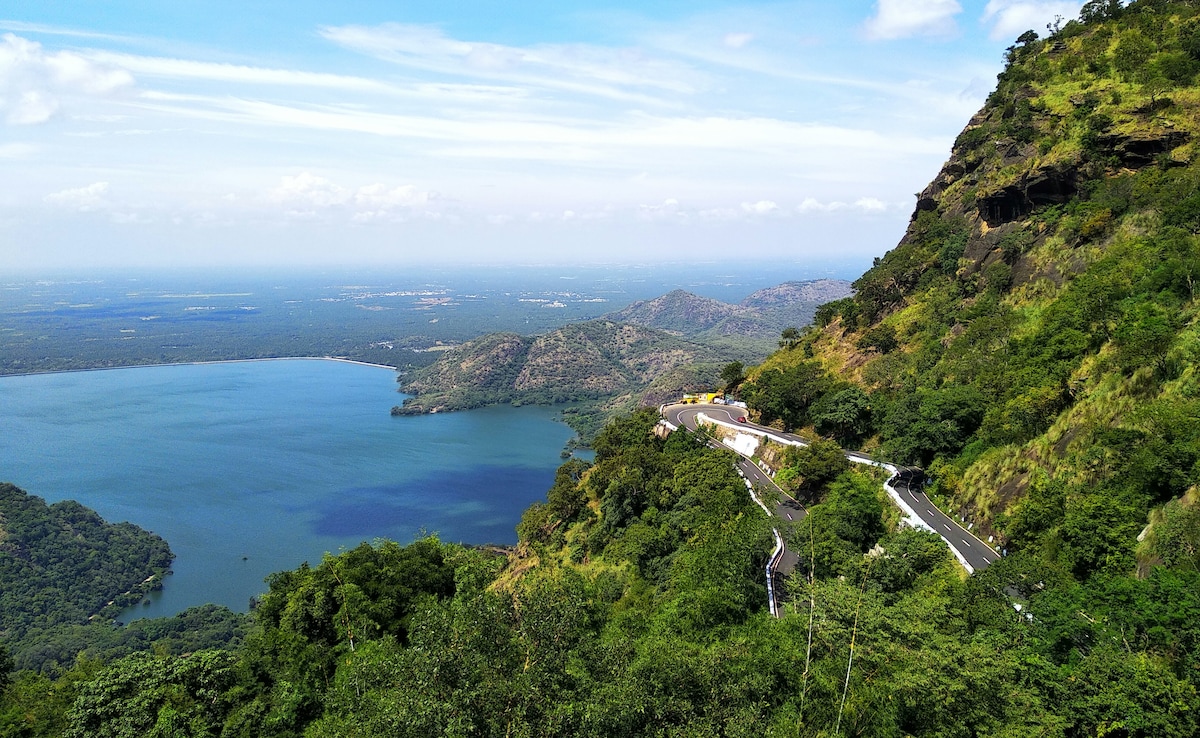
Yercaud rarely appears on mainstream travel lists. That's exactly why people who know about it love it. Located in Tamil Nadu's Shevaroy Hills at 1,515 metres, Yercaud offers everything bigger hill stations do, cool weather, a lake, viewpoints, coffee plantations, without the crowds, traffic, or commercialisation. It's small enough to cover in 2-3 days, unpretentious enough to feel genuinely relaxing.
Boat on Yercaud Lake surrounded by gardens. Visit Kiliyur Falls during the monsoon when water actually flows. Drive through coffee and spice plantations. Watch the sunrise from Pagoda Point or Servarayan Temple. Explore Lady's Seat viewpoint. Buy local coffee, oranges, and jackfruit from roadside stalls. Yercaud's charm isn't in specific attractions; it's in the overall peaceful atmosphere.
Best Time: October to June. Monsoon (July-September) brings mist and waterfalls, but occasional landslides.
4. Chikmagalur, Karnataka
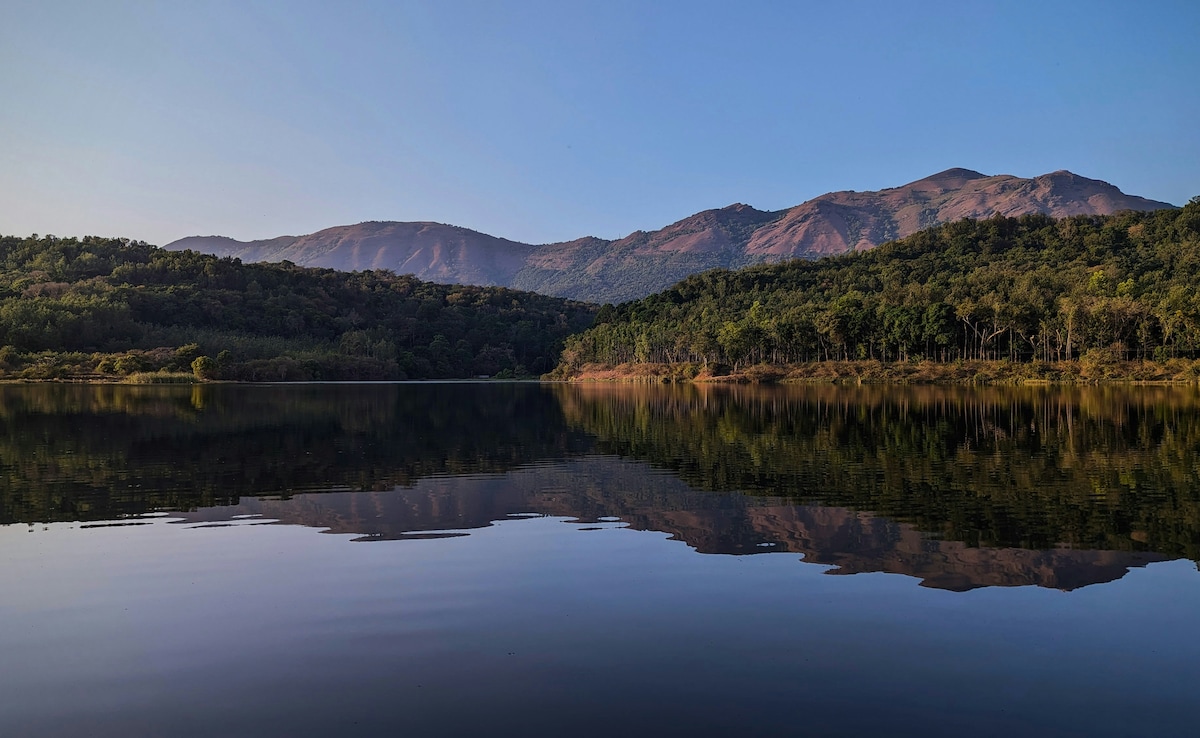
Chikmagalur is often called the birthplace of Indian coffee; legend says a Sufi saint smuggled seven coffee beans from Yemen centuries ago and planted them here. Today, the town remains beautifully uncommercialized despite decent tourist infrastructure. Rolling coffee plantations cover hillsides. Mist rolls in unexpectedly. The air smells perpetually of coffee and earth. It's less crowded than Coorg, less commercialised than Munnar.
Stay in coffee estate homestays where hosts explain growing/processing. Trek Mullayanagiri (Karnataka's highest peak at 1,930 metres) for sunrise. Visit Baba Budangiri hills and Manikyadhara Falls. Drive through endless coffee plantations on winding roads. Bhadra Wildlife Sanctuary offers safaris spotting elephants, leopards, and gaurs. Sip estate-fresh coffee watching sunsets.
Best Time: September to May. Monsoon (June-August) is beautiful, but leeches are active.
5. Wayanad, Kerala
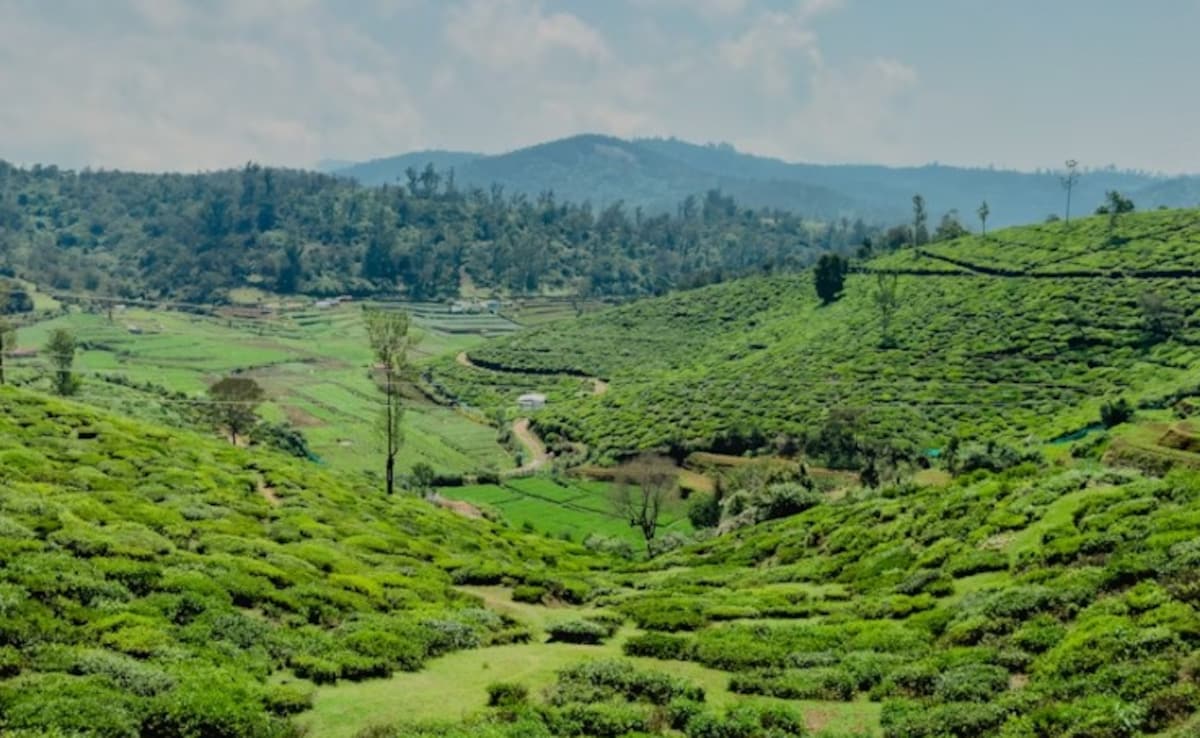
Wayanad sits at Kerala's northeastern edge, bordering Karnataka and Tamil Nadu. While neighbouring Ooty and Munnar get tourist hordes, Wayanad remains relatively calm. The entire district feels like one continuous forest interspersed with spice plantations, paddy fields, and small tribal settlements. Waterfalls, caves, wildlife, trekking, everything you'd want from a hill station without the commercial chaos.
Visit Edakkal Caves (Stone Age pictorial writings 5,000+ years old). Trek to Chembra Peak (Kerala's highest at 2,100 metres) with a heart-shaped lake midway. Experience Soochipara and Meenmutty waterfalls thundering during the monsoon. Stay in tree houses overlooking misty valleys. Spot elephants, leopards, and deer at Muthanga Wildlife Sanctuary. Buy cardamom, pepper, and coffee from plantation cooperatives.
Best Time: October to May. Monsoon (June-September) is dramatic, but leeches and landslides can be issues.
Also Read: From Caspian Sea To Lake Baikal: 10 Of The World's Largest Lakes Worth Visiting
6. Alleppey (Alappuzha), Kerala
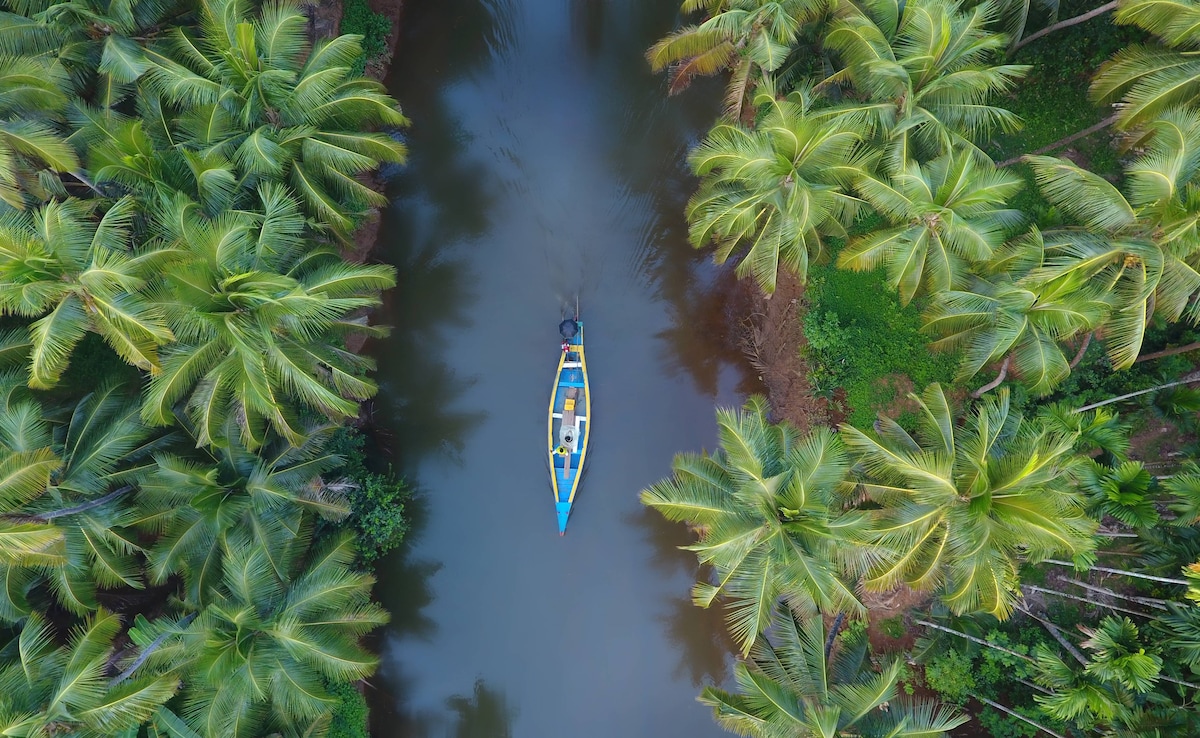
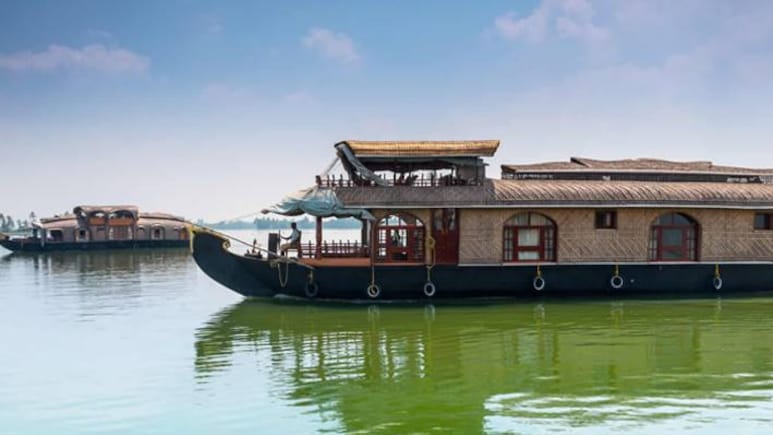
Yes, Alleppey is famous for houseboats. Yes, it's on every Kerala itinerary. But here's the thing: once you're actually on a houseboat drifting through backwaters, the peace is real. No engine noise (they're turned off most of the time). No traffic. Just palm trees, paddy fields, village life passing slowly on the banks, and water reflecting the sky. It's one of the rare touristy places that actually delivers the calm it promises.
Take overnight houseboat cruises through Vembanad Lake and canals. Watch village life, women washing clothes, children rowing to school, and fishermen casting nets. Visit Marari Beach (less crowded than Kovalam or Varkala). Explore Kumarakom Bird Sanctuary. Stay in waterfront homestays instead of houseboats for deeper immersion in backwater life.
Best Time: November to February. Summer (March-May) gets hot and humid.
7. Kodaikanal, Tamil Nadu
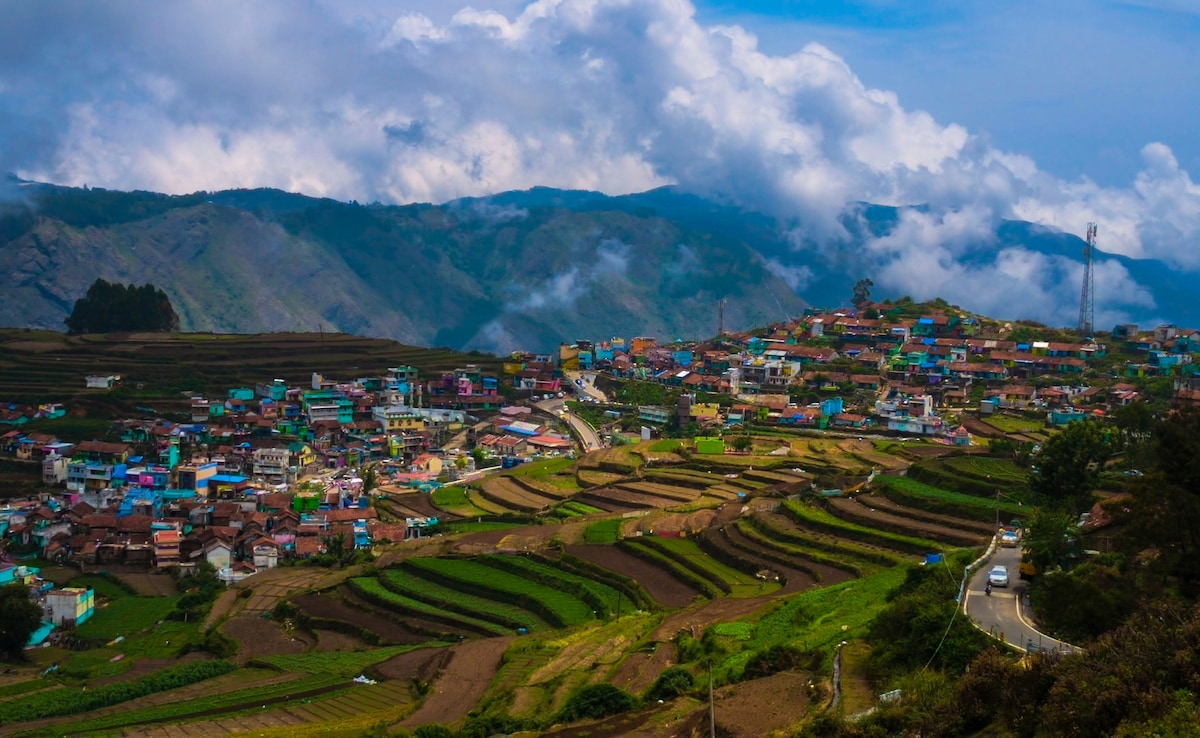
Photo Credit: Unsplash
Kodaikanal, the "Princess of Hill Stations”, sits at 2,133 metres in the Palani Hills. What makes it peaceful despite being popular? The town spreads out enough that crowds dissipate. The lake, forests, and viewpoints offer space. And unlike Ooty with its toy train tourists, Kodaikanal requires genuine effort to reach (winding mountain roads), which filters out casual visitors.
Cycle or walk around the star-shaped Kodaikanal Lake. Trek to Dolphin's Nose viewpoint, jutting over 6,600-feet drops. Explore Coaker's Walk, a narrow pedestrian path offering valley views. Visit Bryant Park (botanical garden). Walk through silent pine and eucalyptus forests. Buy homemade chocolates from Chettiar shops. On misty evenings, sit by a bonfire at your hotel doing absolutely nothing.
Best Time: April-June and September-October. December-January is cold, misty, romantic, but requires warm clothes.
8. Kumbakonam, Tamil Nadu
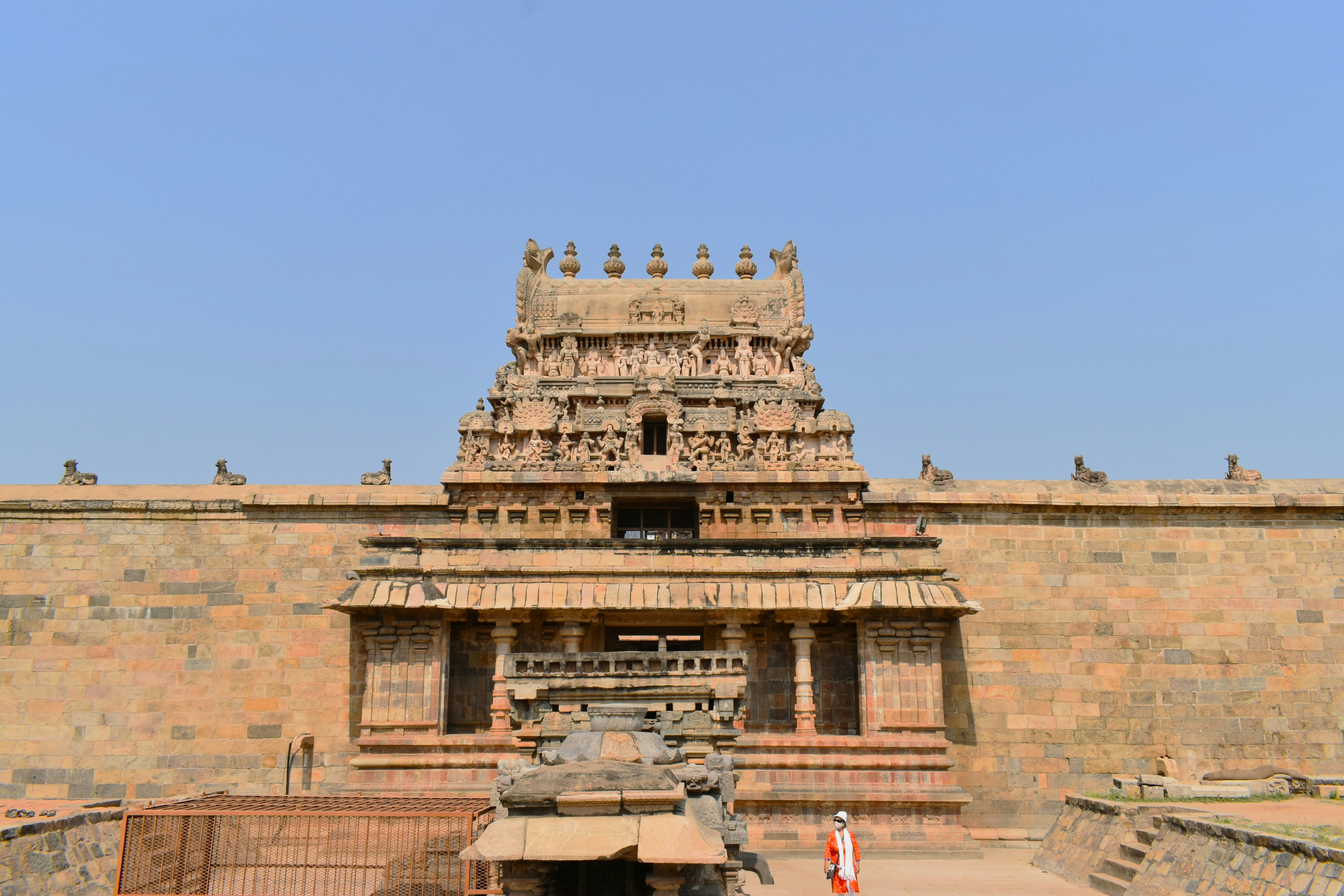
Kumbakonam is the "Temple Town of Tamil Nadu”, with over 60 temples within its town limits. But unlike Madurai or Rameswaram, which feel like pilgrimage industry hubs, Kumbakonam maintains small-town calm. Temple visits happen without chaos. The Cauvery River flows nearby. Life moves at the rhythm of morning poojas and evening aartis. It's peaceful in a lived-in, authentic way rather than manufactured tourist-calm.
Visit Adi Kumbeswarar Temple (dedicated to Shiva), Sarangapani Temple (dedicated to Vishnu), and Airavatesvara Temple in nearby Darasuram (UNESCO World Heritage Site with exquisite Chola architecture). Watch the Mahamaham tank, where thousands gather for sacred baths every 12 years. Sip strong South Indian filter coffee. Buy Kumbakonam degree coffee powder to take home.
Best Time: October to March. Summer gets extremely hot.
9. Varkala, Kerala
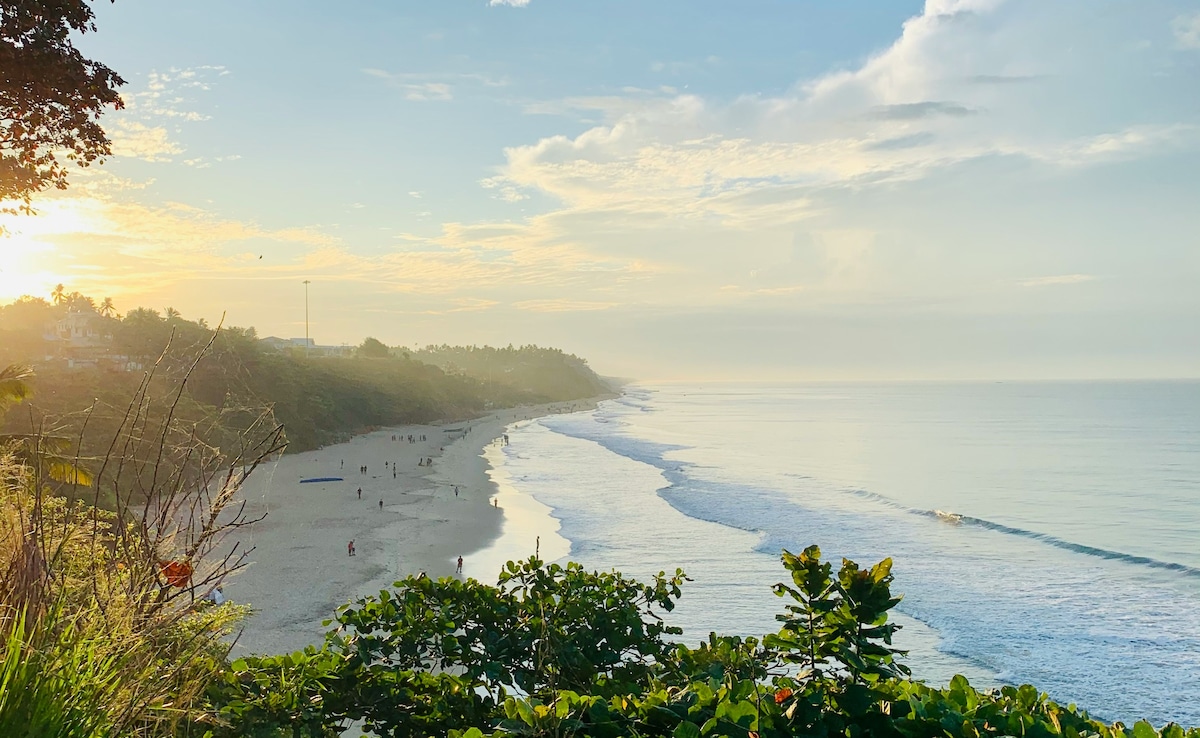
Photo Credit: Unsplash
Varkala offers something rare: beach cliffs. The North Cliff and South Cliff rise 15 metres above the Arabian Sea, with the beach running below. Unlike typical Indian beach towns that sprawl chaotically, Varkala's geography contains development to the cliff top, keeping beaches relatively clean and uncrowded. It balances tourist infrastructure (cafés, guesthouses) with genuine calm.
Walk along cliff-top pathways watching the sunset. Swim at Papanasam Beach (believed to wash away sins). Visit Janardhana Swamy Temple (2,000+ years old). Try cliff-edge cafés serving seafood and international food. Get Ayurvedic massages at beachfront centres. Do yoga at one of many cliff-top studios. Varkala feels like a beach town done right, developed but not destroyed.
Best Time: November to February. Monsoon (June-September) has rough seas but dramatic beauty.
10. Thekkady, Kerala
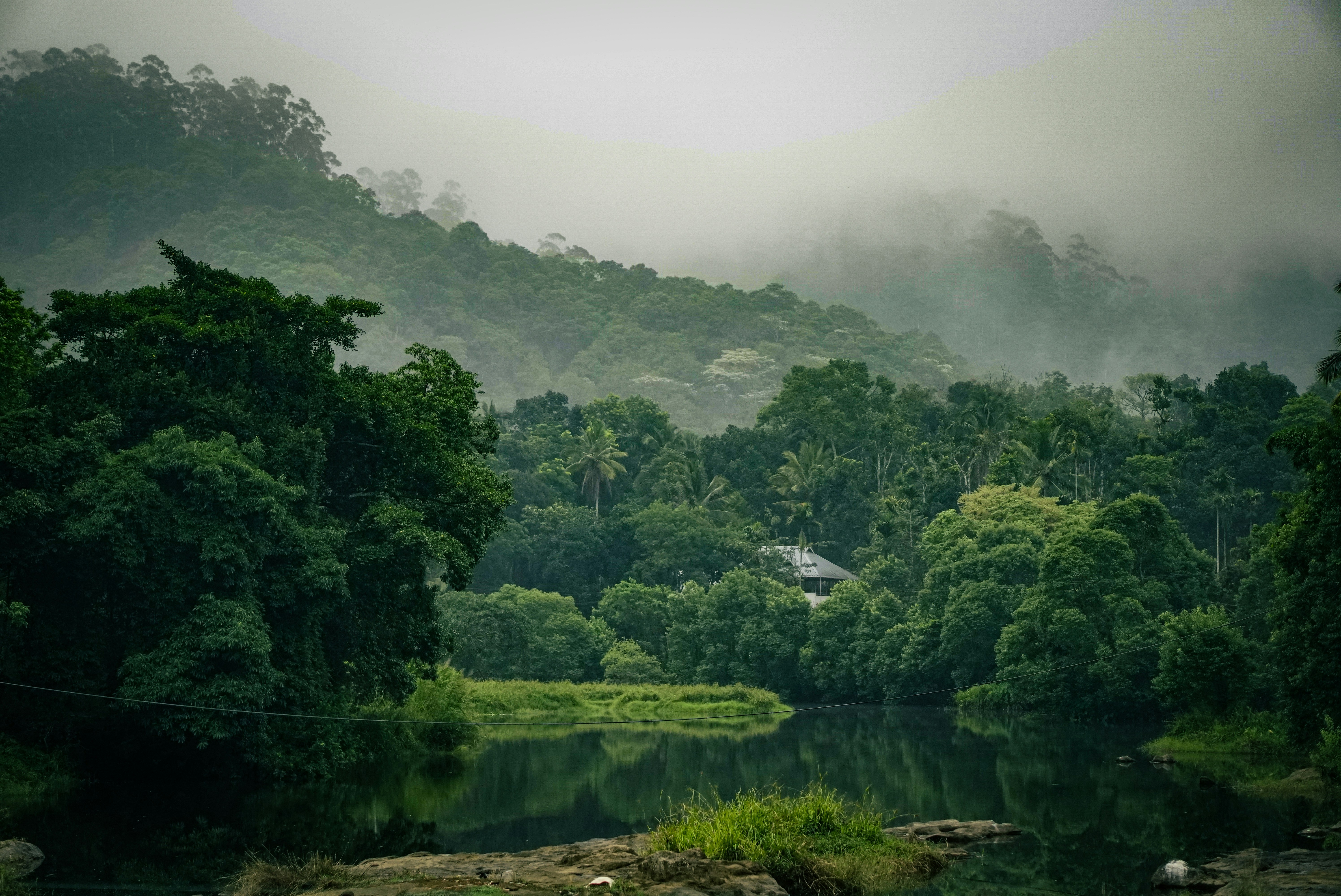
Thekkady is essentially Periyar National Park's gateway town. The entire area revolves around the forest and Periyar Lake. While it gets tourists (especially for wildlife), the setting enforces calm; you're surrounded by dense forest, spice plantations, and a massive artificial lake. Early morning mist, elephant trumpets, bird calls, nature sets the tone here, not humans.
Take boat safaris on Periyar Lake, spotting elephants, gaurs, sambar deer, and sometimes tigers on shore. Trek through the forest with trained guides. Visit spice plantations, learning about cardamom, pepper, vanilla, and cinnamon cultivation. Stay in forest lodges where you fall asleep to jungle sounds. Night safaris (with permission) offer chances to spot nocturnal wildlife.
Also Read: This Is Only Sea In The World With No Shore, Beaches Or Ports
Best Time: October to May. Monsoon closes some activities, but the forest is incredibly lush.
These ten towns in South India offer genuine rest, not Instagram-worthy sunsets. Here, you wake without an alarm, afternoons stretch guilt-free, and conversations flow uninterrupted. You'll rediscover boredom, and it feels good. These towns aren't escapes; they remind you that hustle isn't the only way to live. Productivity isn't the sole measure of a good day. Sometimes, doing nothing in a place where nothing feels like enough is best. Choose one, book three days, and leave your laptop behind. You'll return to the city changed, slower, calmer, knowing peace is a necessity, not a luxury.
Track Latest News Live on NDTV.com and get news updates from India and around the world


