



Solar Earthing
- All
- News
-

ISRO's Aditya-L1 Study Reveals How October 2024 Solar Storm Affected Earth's Magnetic Field
ISRO scientists and research students studied the solar storm using observations from India's Aditya-L1 mission.
-
NOAA Issues G2 Solar Storm Watch; May Spark Auroras but Threaten Satellite Signals
Space weather scientists are monitoring a coronal mass ejection expected to reach Earth around January 2–3, 2026. NOAA forecasts a G2-level geomagnetic storm, which is considered moderate but can still affect satellites, power grids and radio communications. While the event may bring vivid auroras to high latitudes, it also highlights the Sun’s...
-
Earth To Make Its Closest Approach To The Sun This Week: Will It Affect The Seasons?
Perihelion is when a planet or celestial body reaches its closest point to the Sun in its orbit.
-
Celestis to Send Human Ashes Beyond the Moon on Deep-Space Memorial Flight in 2026
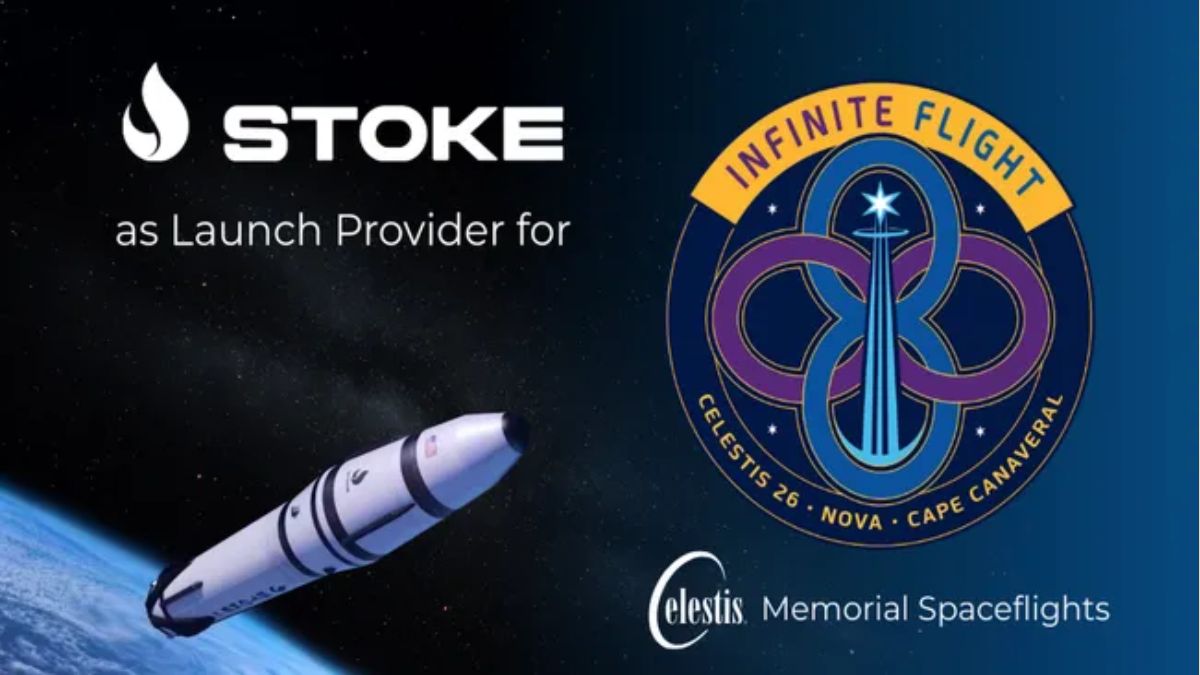
Celestis, a Texas-based pioneer of space memorial services, is preparing its next deep-space mission, Infinite Flight, scheduled for late 2026. Launched aboard Stoke Space’s fully reusable Nova rocket from Cape Canaveral, the mission will carry cremated remains and DNA samples beyond the Moon into a permanent solar orbit. Part of Celestis’s Voy...
-
2026 Will See Brighter And More Frequent Northern Lights Displays, Here's Why
The alignment of the Sun and Earth during the spring and autumn equinoxes can slightly increase activity, known as the Russell-McPherron effect.
-
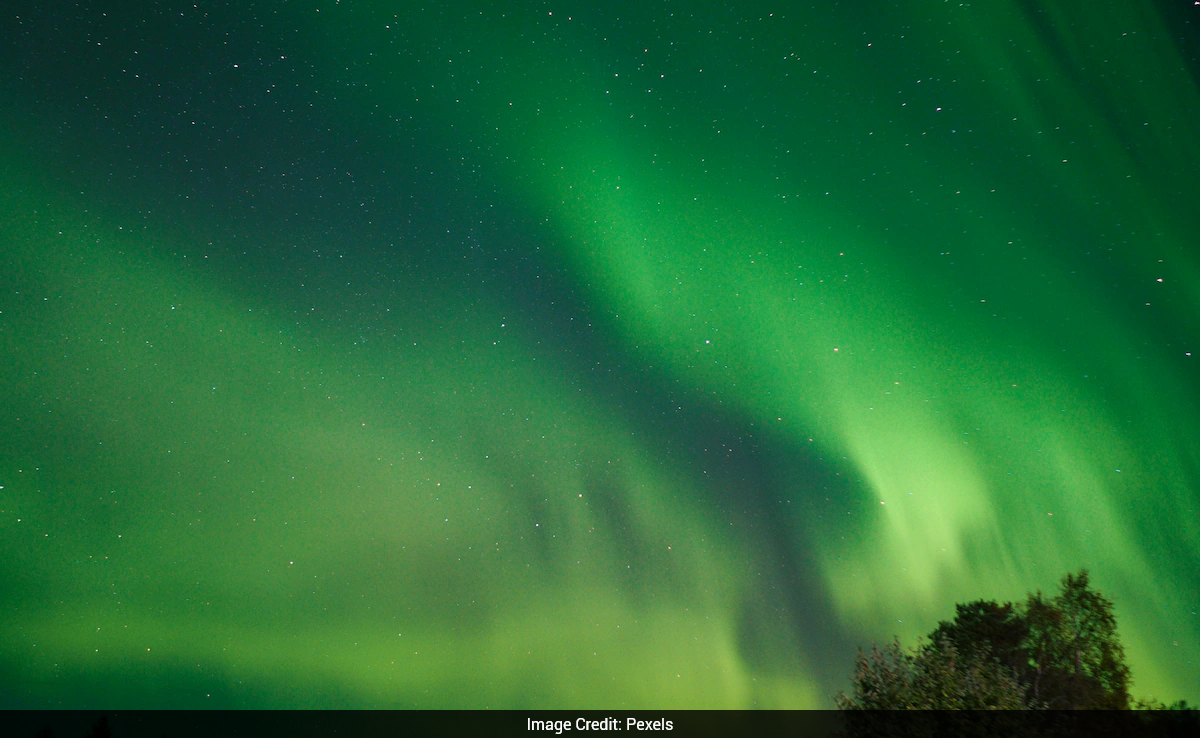
Green And Purple Auroras Are Lighting Up Skies Far Beyond The Poles, Here's Why
As enthusiasm for viewing the aurora grows, scientists are also working to understand their beauty as well as their environmental impacts.
-
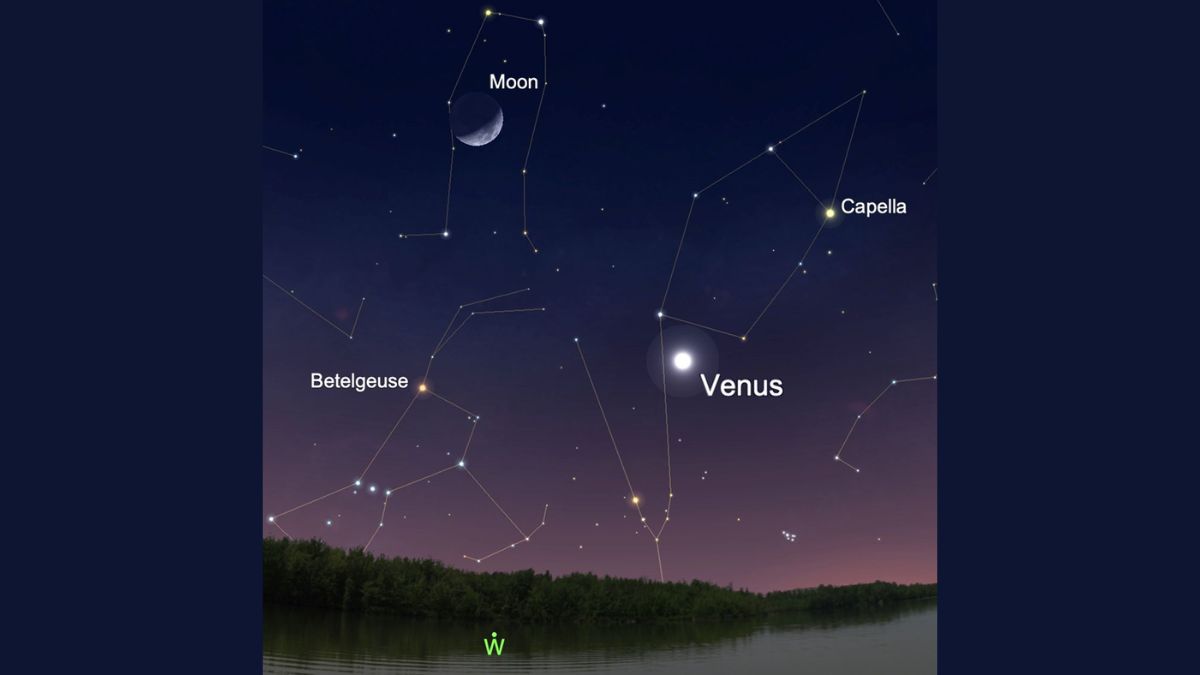
Why Venus Is the Brightest Morning Star Visible From Earth
Venus appears so bright in the sky due to reflective sulfuric acid clouds, its closeness to Earth, and sunlight scattering that creates optical effects like a glory.
-
NASA’s PUNCH Mission Provides First Continuous Views of Solar Eruptions Across Space
NASA’s PUNCH mission released images tracking solar eruptions from the Sun’s corona into interplanetary space. The data reveals CMEs and solar wind dynamics and supports better space weather forecasting for Earth and beyond.
-
Interstellar Comet 3I/ATLAS: NASA-Approved Answers To 10 FAQs
NASA mentioned that the Interstellar Comet 3I/ATLAS has been approaching from the general direction of the constellation Sagittarius.
-
Interstellar Comet 3I/ATLAS to Make Closest Approach to Earth on December 19
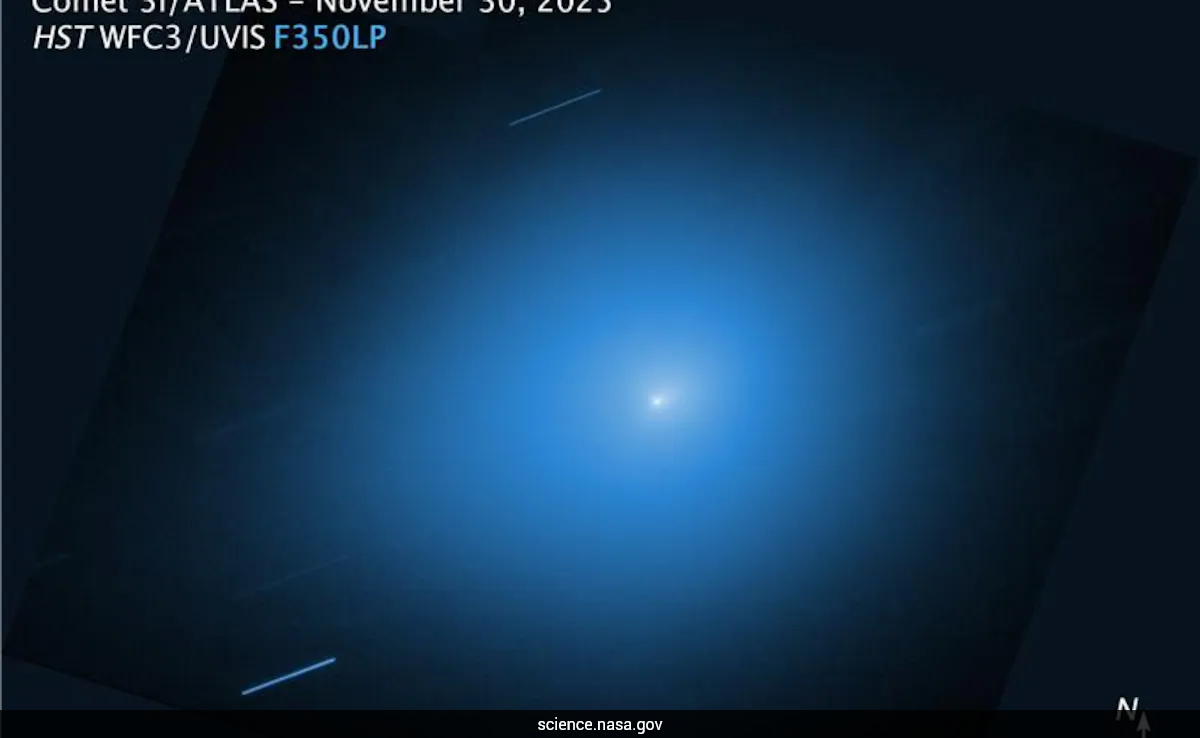
Interstellar comet 3I/ATLAS will make its closest approach to Earth on Dec. 19, passing safely at a vast distance. Discovered by NASA-funded telescopes, the rare visitor offers scientists a valuable chance to study material formed around another star. Observations from space telescopes are expected to deepen understanding of interstellar objects.
-
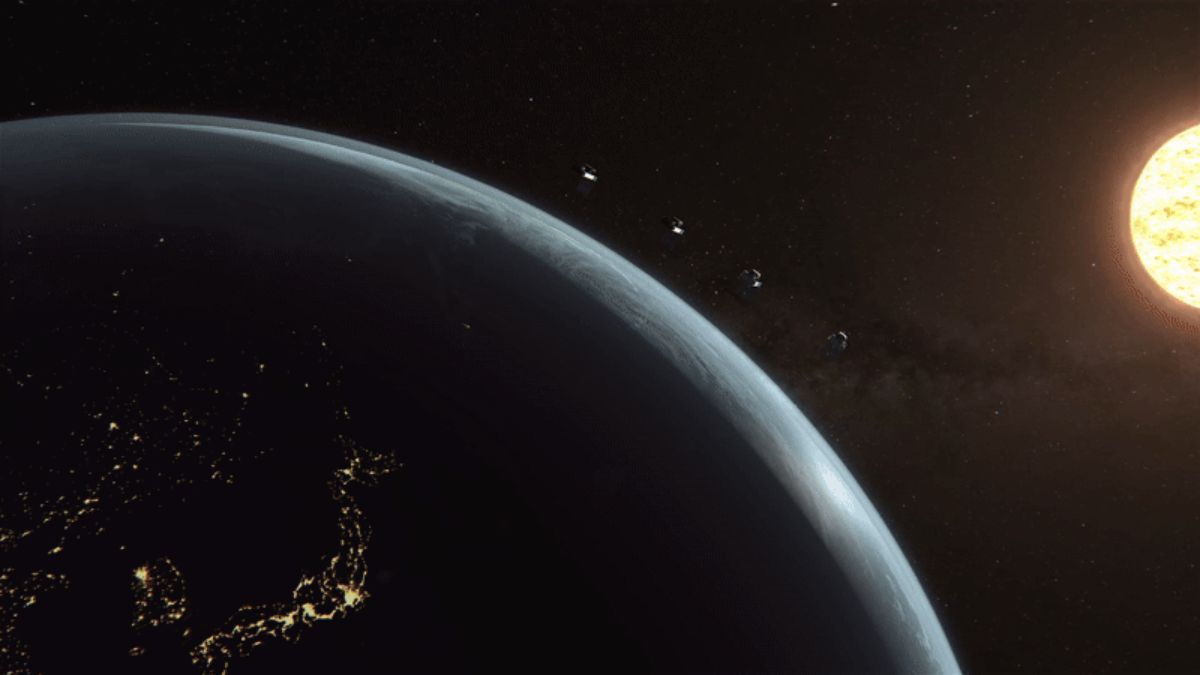
Solar Storm Could Trigger Satellite Collisions In Some Conditions: Study
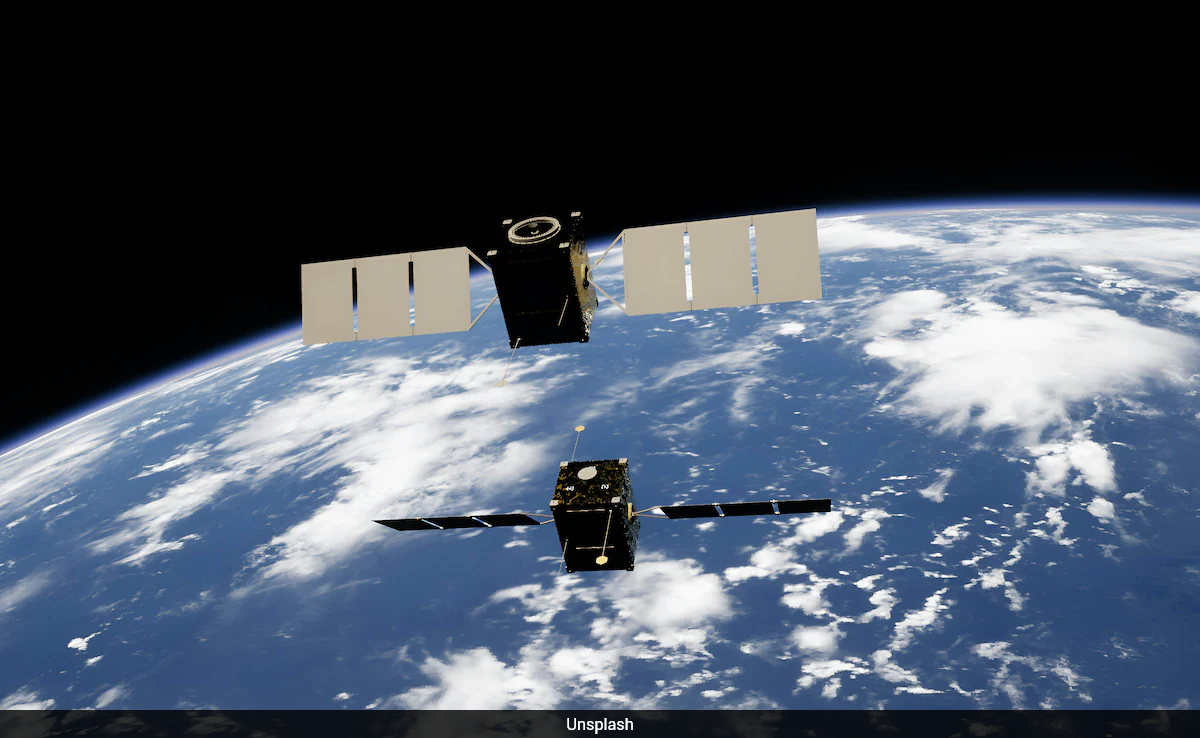
A new study warns that a major solar storm could disable satellite controls and trigger cascading collisions in low Earth orbit within about three days.
-
Interstellar Comet 3I/ATLAS To Make Closest Flyby Of Earth On December 19
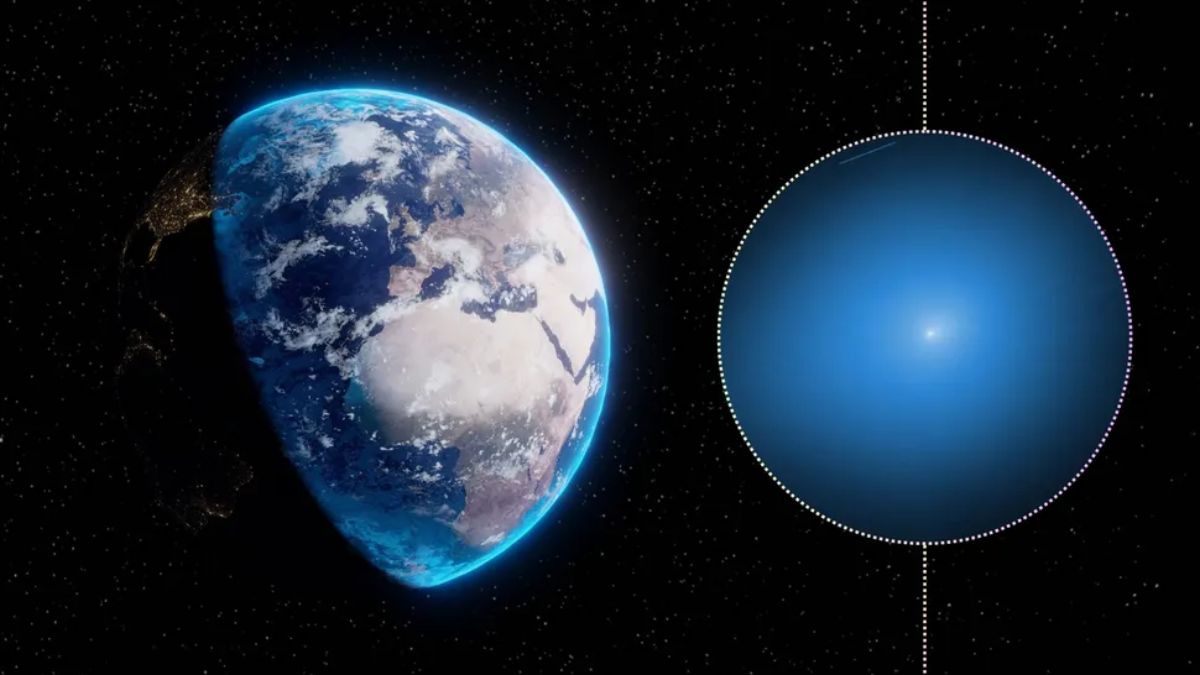
Interstellar comet 3I/ATLAS, discovered by NASA-funded telescopes, will pass Earth on December 19 at a safe distance of 270 million km.
-
Study Reveals Earth's Atmosphere Has Been Reaching The Moon For Billions Of Years
In 2005, researchers at the University of Tokyo proposed that some elements from Earth's upper atmosphere might have escaped and reached the Moon.
-
Massive Sunspot Complex on the Sun Raises Risk of Strong Solar Storms
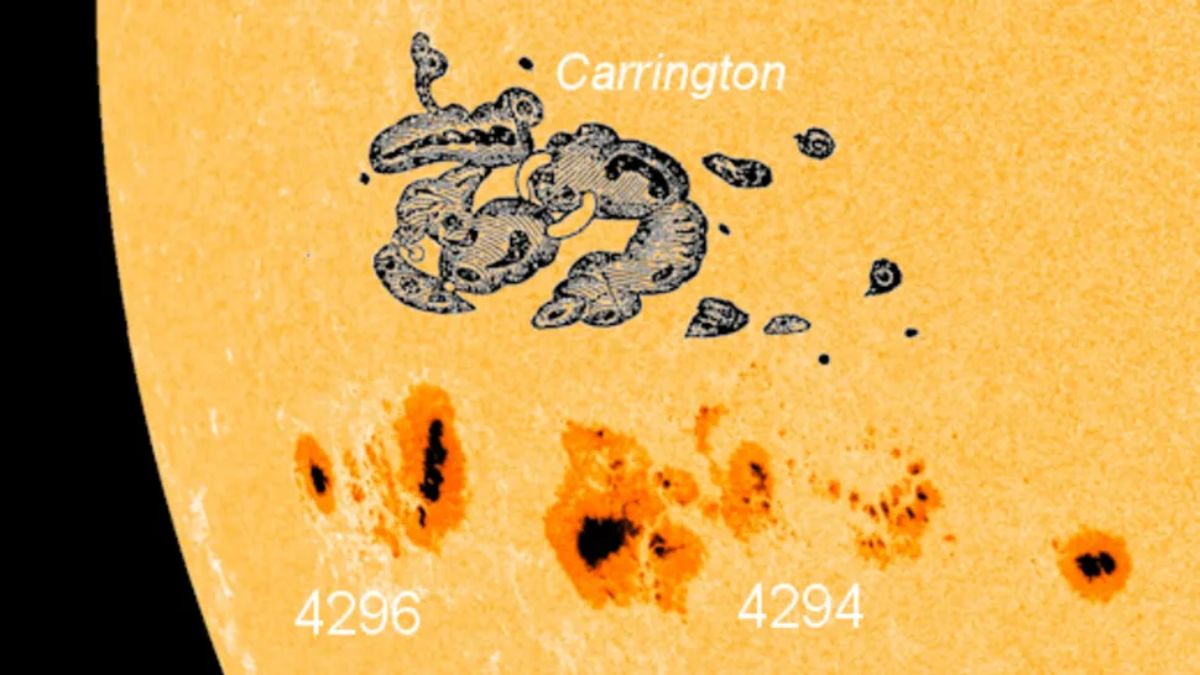
A massive sunspot complex has appeared on the Sun, covering an area comparable to the legendary Carrington Event region. Known as AR 4294-96, the active cluster features highly tangled magnetic fields that could unleash powerful solar flares and geomagnetic storms, potentially disrupting satellites, power grids, and global communications if Earth-d...
-
India's Aditya-L1 Joins Global Effort To Study Solar Storm: ISRO
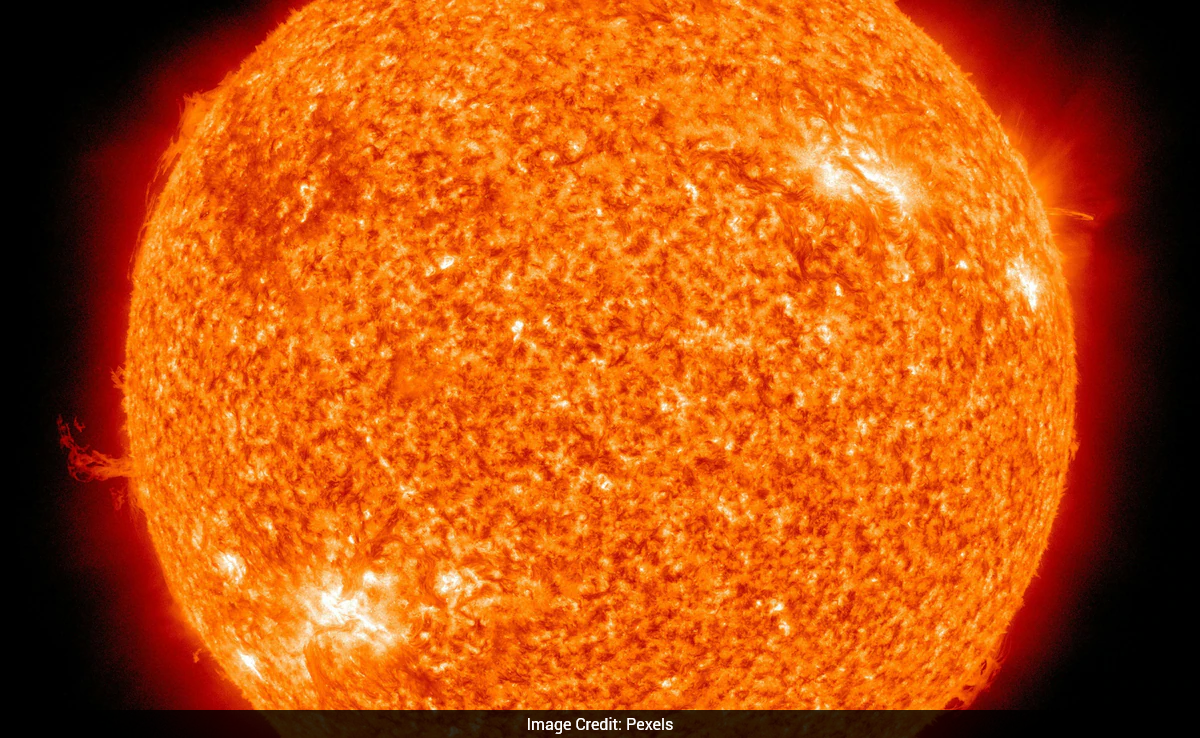
India's first solar observatory Aditya-L1 played a key role in helping scientists decode why the strongest solar storm in more than two decades that struck Earth in May 2024 behaved so unusually, ISRO said on Tuesday.

-
ISRO's Aditya-L1 Study Reveals How October 2024 Solar Storm Affected Earth's Magnetic Field
ISRO scientists and research students studied the solar storm using observations from India's Aditya-L1 mission.
-
NOAA Issues G2 Solar Storm Watch; May Spark Auroras but Threaten Satellite Signals
Space weather scientists are monitoring a coronal mass ejection expected to reach Earth around January 2–3, 2026. NOAA forecasts a G2-level geomagnetic storm, which is considered moderate but can still affect satellites, power grids and radio communications. While the event may bring vivid auroras to high latitudes, it also highlights the Sun’s...
-
Earth To Make Its Closest Approach To The Sun This Week: Will It Affect The Seasons?
Perihelion is when a planet or celestial body reaches its closest point to the Sun in its orbit.
-
Celestis to Send Human Ashes Beyond the Moon on Deep-Space Memorial Flight in 2026
Celestis, a Texas-based pioneer of space memorial services, is preparing its next deep-space mission, Infinite Flight, scheduled for late 2026. Launched aboard Stoke Space’s fully reusable Nova rocket from Cape Canaveral, the mission will carry cremated remains and DNA samples beyond the Moon into a permanent solar orbit. Part of Celestis’s Voy...
-
2026 Will See Brighter And More Frequent Northern Lights Displays, Here's Why
The alignment of the Sun and Earth during the spring and autumn equinoxes can slightly increase activity, known as the Russell-McPherron effect.
-
Green And Purple Auroras Are Lighting Up Skies Far Beyond The Poles, Here's Why
As enthusiasm for viewing the aurora grows, scientists are also working to understand their beauty as well as their environmental impacts.
-
Why Venus Is the Brightest Morning Star Visible From Earth
Venus appears so bright in the sky due to reflective sulfuric acid clouds, its closeness to Earth, and sunlight scattering that creates optical effects like a glory.
-
NASA’s PUNCH Mission Provides First Continuous Views of Solar Eruptions Across Space
NASA’s PUNCH mission released images tracking solar eruptions from the Sun’s corona into interplanetary space. The data reveals CMEs and solar wind dynamics and supports better space weather forecasting for Earth and beyond.
-
Interstellar Comet 3I/ATLAS: NASA-Approved Answers To 10 FAQs
NASA mentioned that the Interstellar Comet 3I/ATLAS has been approaching from the general direction of the constellation Sagittarius.
-
Interstellar Comet 3I/ATLAS to Make Closest Approach to Earth on December 19
Interstellar comet 3I/ATLAS will make its closest approach to Earth on Dec. 19, passing safely at a vast distance. Discovered by NASA-funded telescopes, the rare visitor offers scientists a valuable chance to study material formed around another star. Observations from space telescopes are expected to deepen understanding of interstellar objects.
-
Solar Storm Could Trigger Satellite Collisions In Some Conditions: Study
A new study warns that a major solar storm could disable satellite controls and trigger cascading collisions in low Earth orbit within about three days.
-
Interstellar Comet 3I/ATLAS To Make Closest Flyby Of Earth On December 19
Interstellar comet 3I/ATLAS, discovered by NASA-funded telescopes, will pass Earth on December 19 at a safe distance of 270 million km.
-
Study Reveals Earth's Atmosphere Has Been Reaching The Moon For Billions Of Years
In 2005, researchers at the University of Tokyo proposed that some elements from Earth's upper atmosphere might have escaped and reached the Moon.
-
Massive Sunspot Complex on the Sun Raises Risk of Strong Solar Storms
A massive sunspot complex has appeared on the Sun, covering an area comparable to the legendary Carrington Event region. Known as AR 4294-96, the active cluster features highly tangled magnetic fields that could unleash powerful solar flares and geomagnetic storms, potentially disrupting satellites, power grids, and global communications if Earth-d...
-
India's Aditya-L1 Joins Global Effort To Study Solar Storm: ISRO
India's first solar observatory Aditya-L1 played a key role in helping scientists decode why the strongest solar storm in more than two decades that struck Earth in May 2024 behaved so unusually, ISRO said on Tuesday.

