





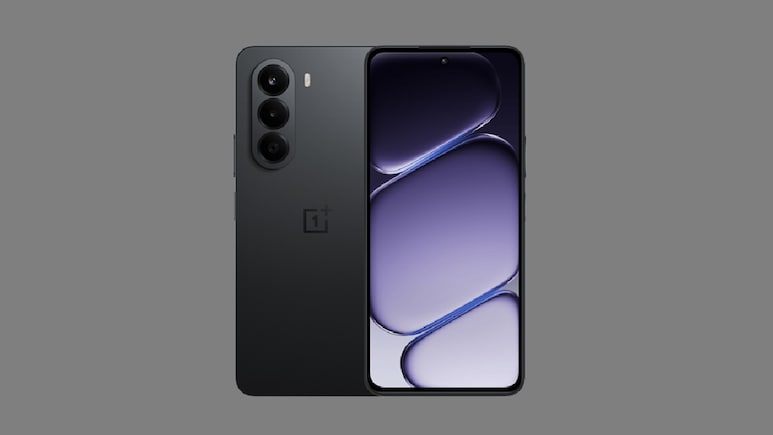
OnePlus is preparing to shut down its operations in the United States and Europe, marking one of the biggest shake-ups in the global smartphone industry in recent years.
The move is part of a wider restructuring exercise by its parent company, Oppo, as the Chinese smartphone maker grapples with slowing sales, rising costs and mounting geopolitical challenges. According to a Bloomberg report, the withdrawal could begin as early as this week.
The overhaul does not stop with OnePlus. Sister brand Realme is also expected to exit the Chinese market, signalling a major strategic reset across Oppo's smartphone business.
For millions of OnePlus users, especially those who remember the brand's rise as the original "flagship killer", the development marks the end of an era.
"The end of OnePlus in the US and Europe marks the closing chapter of an era," said Abhishek Bhilwaria, Partner at BhilwariaFinserv. "What started as an aggressive underdog challenging tech giants with 'flagship killers' has succumbed to corporate restructuring, leaving a massive void for consumers who valued premium performance without the mainstream price tag."
Why Is Oppo Pulling OnePlus Out?
The decision appears to be driven by several factors rather than a single setback.
According to Bloomberg, Oppo has been facing financial pressure across its smartphone business amid weak demand in key overseas markets, including the US, Europe and even India. At the same time, geopolitical tensions surrounding Chinese technology products have made operating in the American market increasingly difficult.
The company is also battling a trade secrets lawsuit filed by Apple, adding another layer of uncertainty.
A Brand That Changed The Smartphone Market
When OnePlus entered the market over a decade ago, it disrupted the premium smartphone segment. Instead of charging flagship prices, it offered high-end processors, premium displays and fast charging at significantly lower prices than rivals like Apple and Samsung. That strategy helped the company build a loyal community across global markets, including India.
Over time, however, competition intensified. Apple and Samsung strengthened their dominance in the premium segment, while brands like Google and Motorola gained ground in markets where OnePlus had once enjoyed a strong following.
Will OnePlus Shut Shop In India?
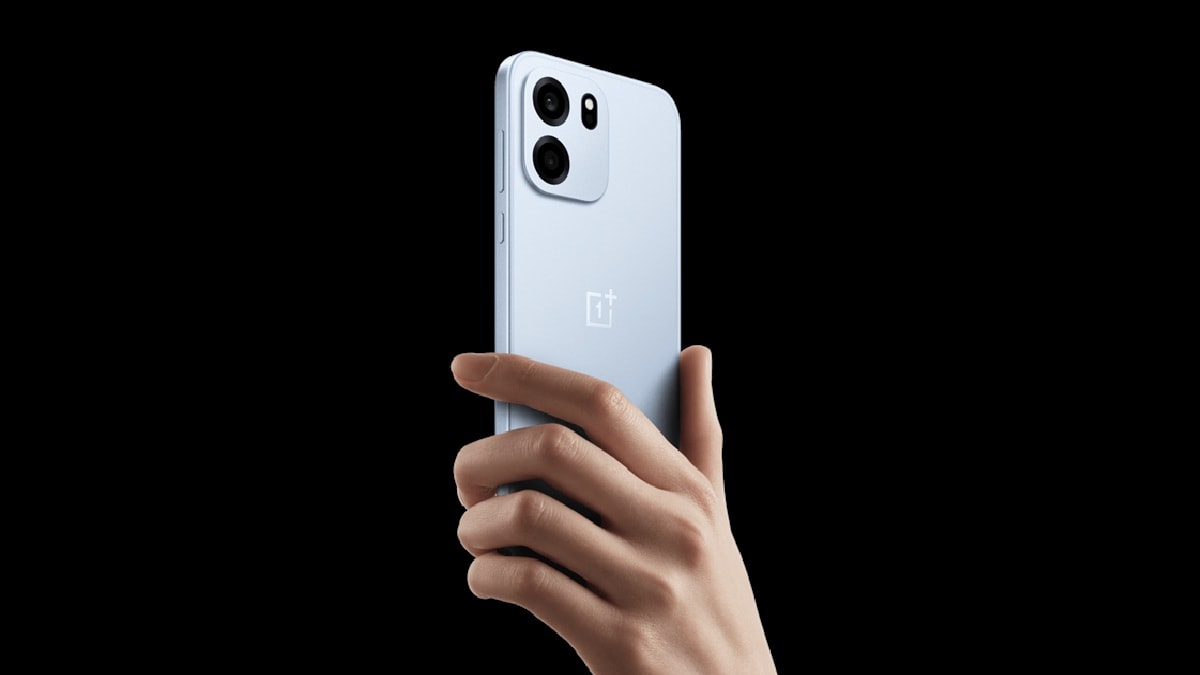
For now, OnePlus will continue operating in China. However, Bloomberg reported that its international pullback is likely to expand further, with India and other global markets expected to be affected sometime in 2027.
India has been one of OnePlus' biggest success stories, particularly due to its Nord series, which catered to consumers looking for premium features at mid-range prices.
But that business has also come under pressure.
Bloomberg, citing IDC data, reported that smartphone shipments in China fell 4.3% year-on-year in the second quarter as rising component costs squeezed manufacturers. Those supply challenges have reportedly hit OnePlus' Nord lineup particularly hard, affecting one of its strongest revenue drivers.
Oppo, Realme Shift Focus
Instead of spreading resources across multiple regions, Oppo is reportedly narrowing its priorities. The company plans to strengthen its presence in Central Europe, while Realme is expected to focus on Nordic countries such as Finland, Denmark, Sweden and Iceland, where the brand has performed relatively well.
The restructuring reflects a broader trend across the smartphone industry, where companies are concentrating investments in markets offering stronger profitability instead of chasing global expansion.
Speaking on Oppo's business move, Atul Vivek, Chief Executive Officer, NXTCELL Mobility (Alcatel India), said, "The smartphone industry today is less about being present in every geography and more about building sustainable relevance in the markets you choose to serve. Consumers increasingly evaluate brands not just on product specifications, but also on software support, after-sales service, retail accessibility, and long-term commitment. India, in particular, has evolved into one of the world's most strategic smartphone markets, where success requires a localised approach backed by continuous investment in innovation, distribution, and customer experience."
Track Latest News Live on NDTV.com and get news updates from India and around the world

