






- Department of Space restricts routine acceptance of ISRO resignations from key personnel
- Directive targets Group A scientific staff linked to Gaganyaan and other crucial missions
- The order came amid reports of over 100 ISRO personnel resigning recently
The Department of Space (DoS) has issued a new directive to major space research centres of the ISRO, tightening rules on voluntary retirement and resignations amid a mass exodus in the Indian space agency.
The memorandum, issued on July 14 to centres like the UR Rao Satellite Centre (URSC) and the Vikram Sarabhai Space Centre (VSSC), directed them not to routinely accept resignation or voluntary retirement requests from Group 'A' scientific and technical personnel linked to Gaganyaan - India's prestigious human spaceflight programme - and other "important missions".
"Of late, it is noticed that there has been spate of requests for voluntary retirement and resignation from Group 'A' Scientific/Technical personnel of ISRO including those associated with the prestigious Gaganyaan and other important missions/projects severely impacting the implementation of projects of national importance," according to the directive, which was accessed by NDTV.
"In view of this, it has been decided that voluntary retirement and resignation requests from Scientific & Technical personnel associated with the Gaganyaan and other important Mission / Projects may not be accepted as a matter of routine," it added.
These centres were told that any such requests received from scientific or technical personnel, even of and below the rank of scientist and engineer, should be sent to the Department of Space with "clear recommendations" of their directors for final decision.
The order reverses a key administrative change made in 2020 that allowed ISRO centre directors and heads to accept voluntary retirement and resignation requests from Group A scientific and technical personnel up to scientist/engineer-SG level.
The Satish Dhawan Space Centre (SDSC), the Liquid Propulsion Systems Centre (LPSC), the Space Applications Centre (SAC), the National Remote Sensing Centre (NRSC), ISRO Telemetry, Tracking and Command Network (ISTRAC), and the Master Control Facility (MCF) were also among the centres that were issued the directive.
Loss For ISRO, Gain For Startups?
The order was issued amid reports that over 100 personnel have quit the ISRO recently, with the URSC in Bengaluru and the VSSC in Thiruvananthapuram seeing the most departures.
Among those who left was senior scientist Victor Joseph T, who was serving as the project director of the Geosynchronous Satellite Launch Vehicle Mk III Project at the VSSC.
Joseph is said to have left in February after serving about 13 months as the head of the LVM3 project, the launch vehicle that will be used in the Gaganyaan mission.
Some of the scientists who had quit are said to have joined space startups, which have successfully taken off since the Centre opened the space sector for private players in 2020 and launched the Indian Space Policy in 2023.
India currently has more than 400 registered space start-ups, which have attracted investments worth $500 million, with nearly $150 million in 2025 alone.
Companies like Pixxel, Dhruva Space, Skyroot Aerospace, Agnikul Cosmos, and Bellatrix Aerospace are leading the race.
Recent Setbacks For ISRO
Besides resignations, the ISRO has also faced significant setbacks in its missions recently.
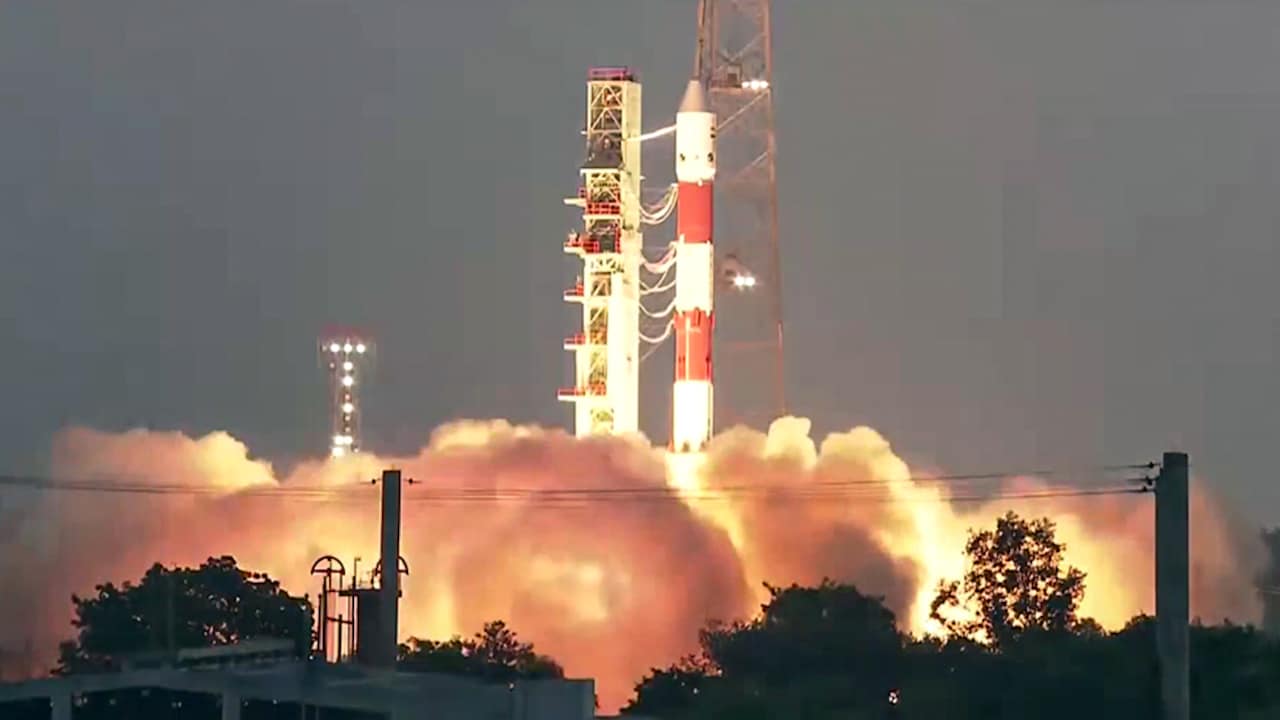
The Polar Satellite Launch Vehicle (PSLV), known as ISRO's "workhorse", suffered two consecutive failures within one year.
In January, the PSLV-C62, carrying the EOS-N1 Earth-observation satellite and a cluster of commercial payloads, had deviated from its planned path after "disturbances" at the end of the third stage.
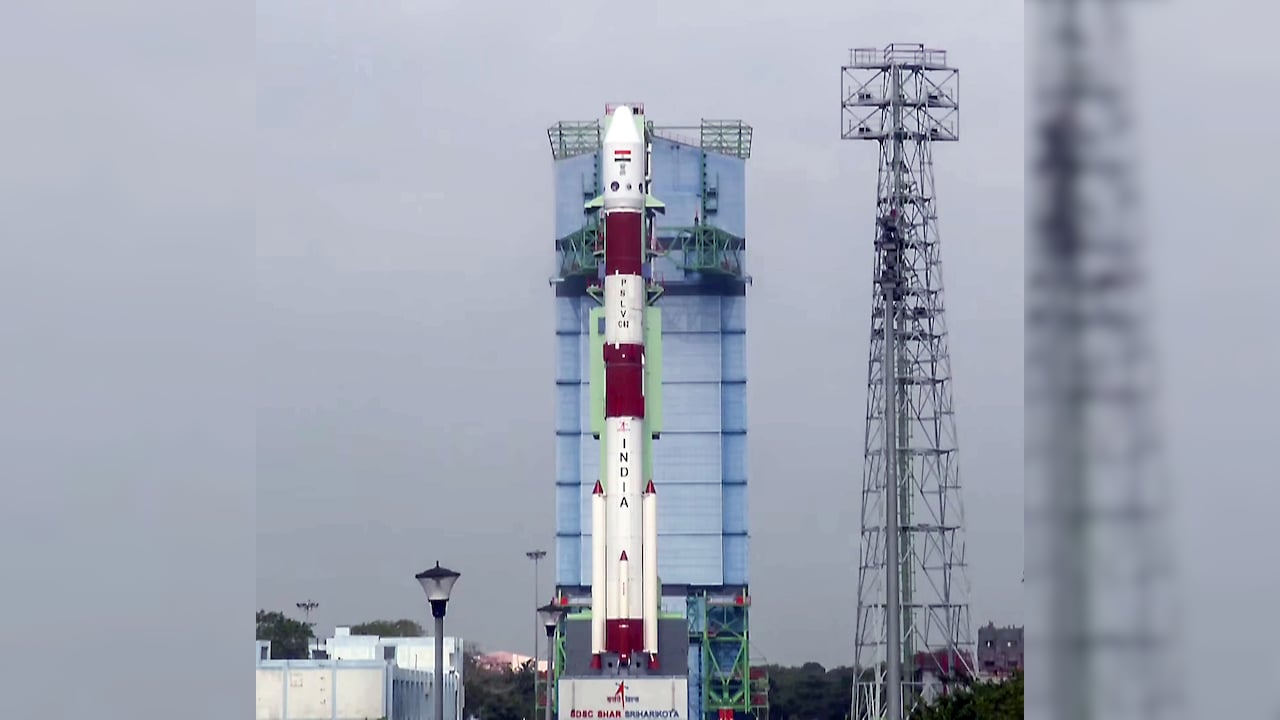
In May last year, the PSLV-C61/EOS-09 (RISAT-1B) had failed to reach its 529-km sun-synchronous orbit after a sudden chamber-pressure drop roughly 203 seconds into the third stage underperformance that forced termination and destroyed the radar satellite.
The ISRO, however, is adapting to these setbacks to focus on the key upcoming projects, which include the Gaganyaan mission, which aims to make India the fourth country to independently send humans into space; Chandrayaan-4, a lunar sample-return mission; the Bharatiya Antariksh Station (BAS), which will be the Indian space station; and Mangalyaan-2, a Mars exploration project.
Track Latest News Live on NDTV.com and get news updates from India and around the world

