





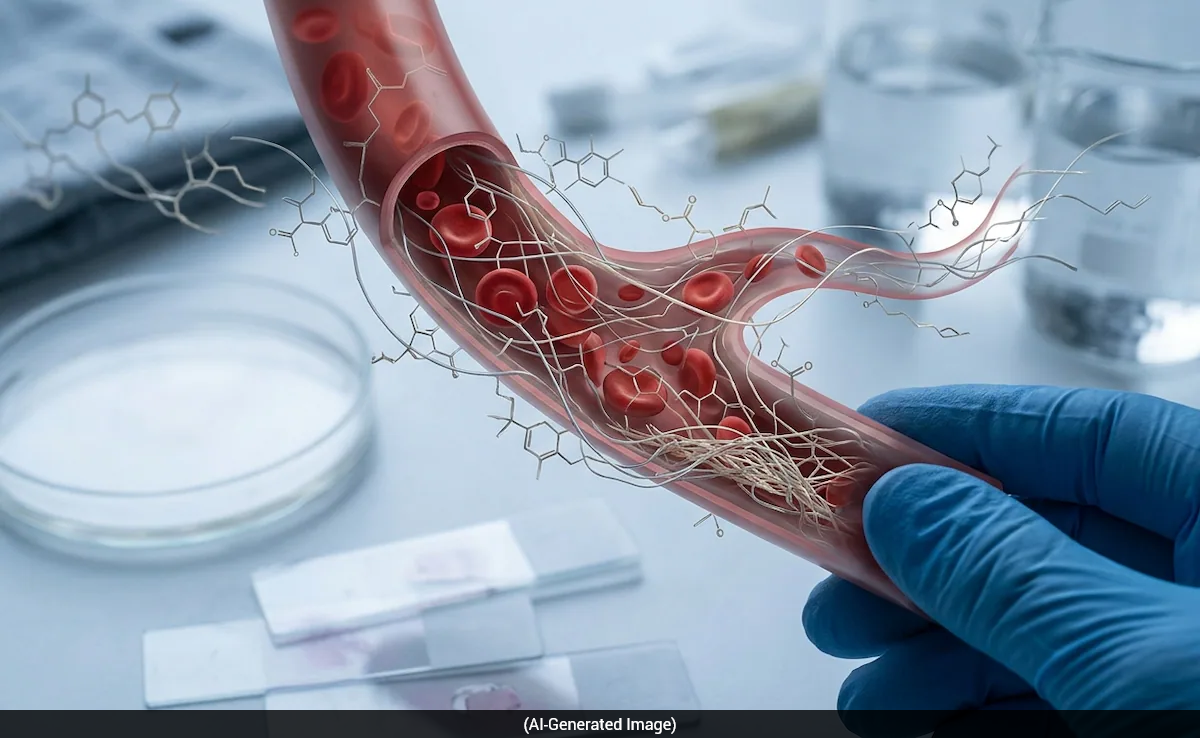
So-called "forever chemicals" have been detected in 98.8% of human blood samples tested in a recent US study, highlighting their widespread presence. Officially known as PFAS (perfluoroalkyl and polyfluoroalkyl substances), this group includes over 15,000 chemicals that do not break down easily and persist in the environment for long periods. Over decades, PFAS have been extensively used in everyday products such as clothing, furniture, and food packaging, leading to their gradual accumulation in food, water, and the broader ecosystem.
Researchers from NMS Labs in Pennsylvania looked at 10,566 blood samples sent to them for PFAS testing. They wanted to see how many different types of PFAS people are exposed to at the same time.
"By identifying these shared exposure patterns, the study offers a greater understanding of what widespread, combined PFAS exposure may mean for human health," said toxicologist Laura Labay from NMS Labs.
Only 0.18% of samples had just one type of PFAS. Most samples had a mix of several different chemicals. One chemical, PFHxS, was found in 97.9% of samples. It is used in textiles, furniture, and glue. Many countries now limit its use because of concerns about effects on the liver and immune system.
"Instead, individuals typically carry body burdens comprising five or more PFAS with differing bioaccumulation properties and half-lives," Labay said.
The study only checked for 13 common PFAS, so the true number of chemicals in people's bodies could be higher. The tests also only showed if PFAS were present, not how much was there.
Scientists are still unsure how much PFAS is needed to cause harm. Studies in animals and cells have linked the chemicals to faster ageing, changes in the brain, and a higher risk of some cancers. But a direct link in humans has not been proven.
PFAS are hard to replace because they are very useful. They make products resist water, heat, and oil. Governments are now trying to limit their use and find safer options.
The researchers found more than 70 different combinations of PFAS in the samples tested. They say future studies should look at how these chemical mixtures affect health.
"We hope these findings will help inform future risk-assessment efforts, guide research on harmful PFAS mixtures, and ultimately support clearer clinical and public-health guidance," said Labay.
The research was published in the Journal of Occupational and Environmental Hygiene.
Track Latest News Live on NDTV.com and get news updates from India and around the world

