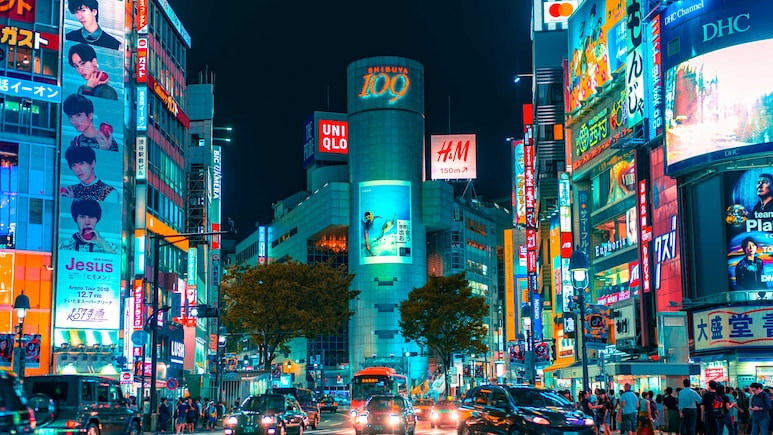
- Japan's adult obesity rate is around 4 to 5 percent
- India, on the other hand, is experiencing a rising adult obesity rate of 25 percent
- Japan implemented measures to control obesity rising in the 2000s
Japan has one of the lowest obesity rates in the developed world. India, once stereotyped as undernourished, is now battling rising waistlines across cities and small towns alike.
The contrast is striking. How did one Asian nation largely sidestep the global obesity wave while another is seeing it surge? The answer lies not in a miracle superfood or a gym obsession, but in something more structural: the everyday food environment.
According to the World Health Organisation, Japan's adult obesity rate is around 4 to 5 percent. India's official obesity rate is still lower than some Western countries, but urban India is witnessing rapid growth in overweight and obesity, with some estimates suggesting that over 25 percent of adults (1 in 4) are obese.
Joseph Everett, a YouTuber who moved from Texas to Japan, described his YouTube Video "Nobody's fat," in Japan.
Here is what seems to make the difference and how did Japan tackled its once rising obesity problem? Let's break it down.
Convenience Without Junk
Japan's biggest advantage is not discipline but design. In Japan, convenience does not automatically mean deep-fried or sugar-laden. The country has more than 50,000 convenience stores (one of the most in the World), known as konbini, and they stock salads, boiled eggs, grilled fish, tofu noodles, rice balls, miso-based dishes and unsweetened teas. Vending machines often offer water, green tea and black coffee alongside smaller-sized soft drinks.
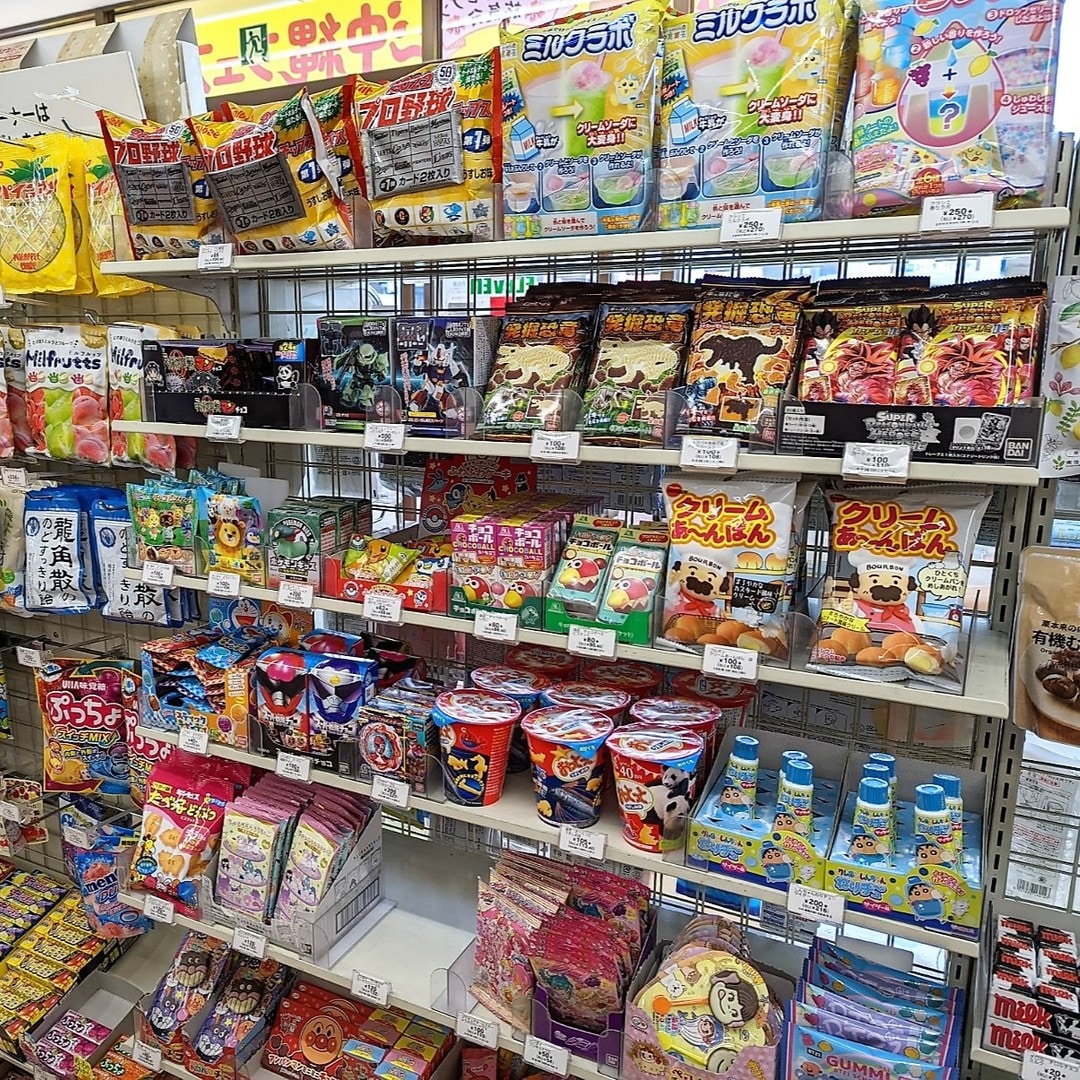
Japan has more than 50,000 convenience stores. Photo: Instagram
In contrast, quick food in many parts of India increasingly mirrors the Western model. The street food model that already exists doesn't help either. Urban India has seen explosive growth in fast food chains and delivery apps. Deep-fried snacks, sugary beverages and refined flour products are widely available at low prices. Healthy options exist, but they are often more expensive and less accessible.
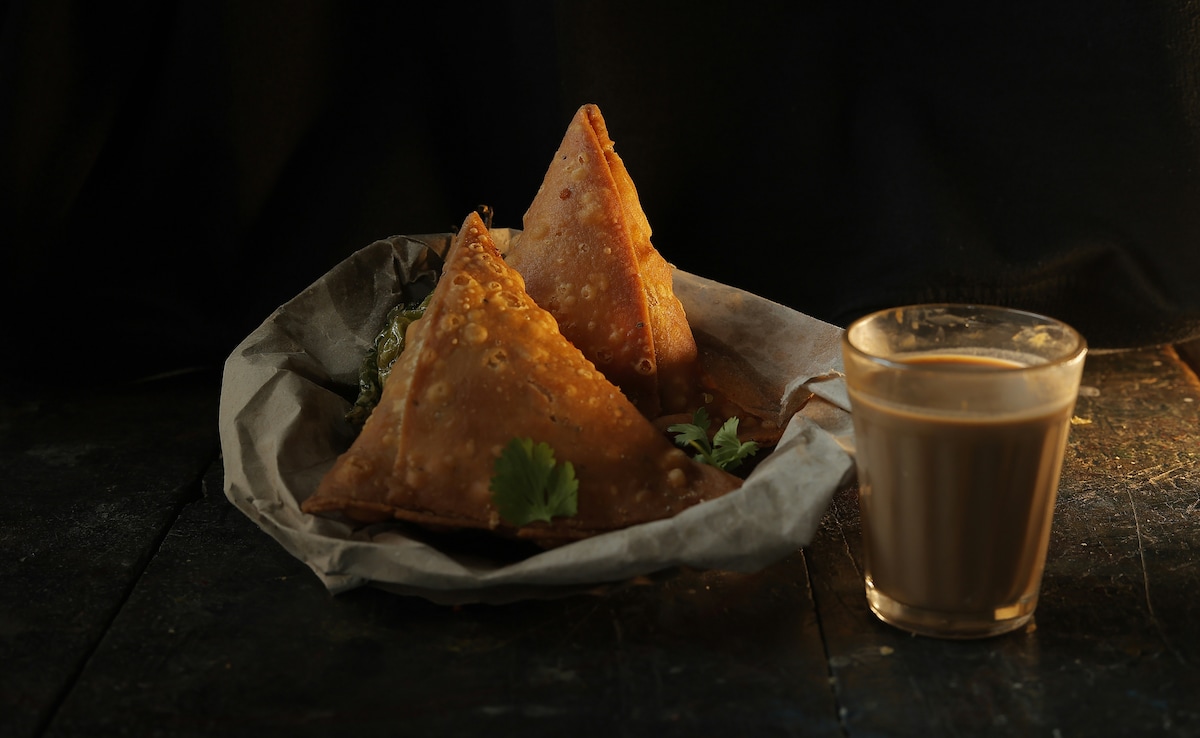
In Japan, even chain outlets such as the famous ones like Yoshinoya or Matsuya serve rice, fish, soup and pickles at affordable prices. In India, a Rs 100 snack is more likely to be samosas and sugary drinks than dal, vegetables and brown rice.
Sugar Culture And Taste Conditioning
Japan consumes significantly less sugar per capita than the other countries. Everett says in his video that figures suggests Americans consume around 33 kg of sugar per year, compared to roughly 17 kg in Japan.
India's numbers vary by region,though some data suggest that an average Indian consumes around 20 kg of sugar per year.
Please note that this data is for refined sugar, and does not even take into account the excessive sugar that is found in packaged and processed foods in India.
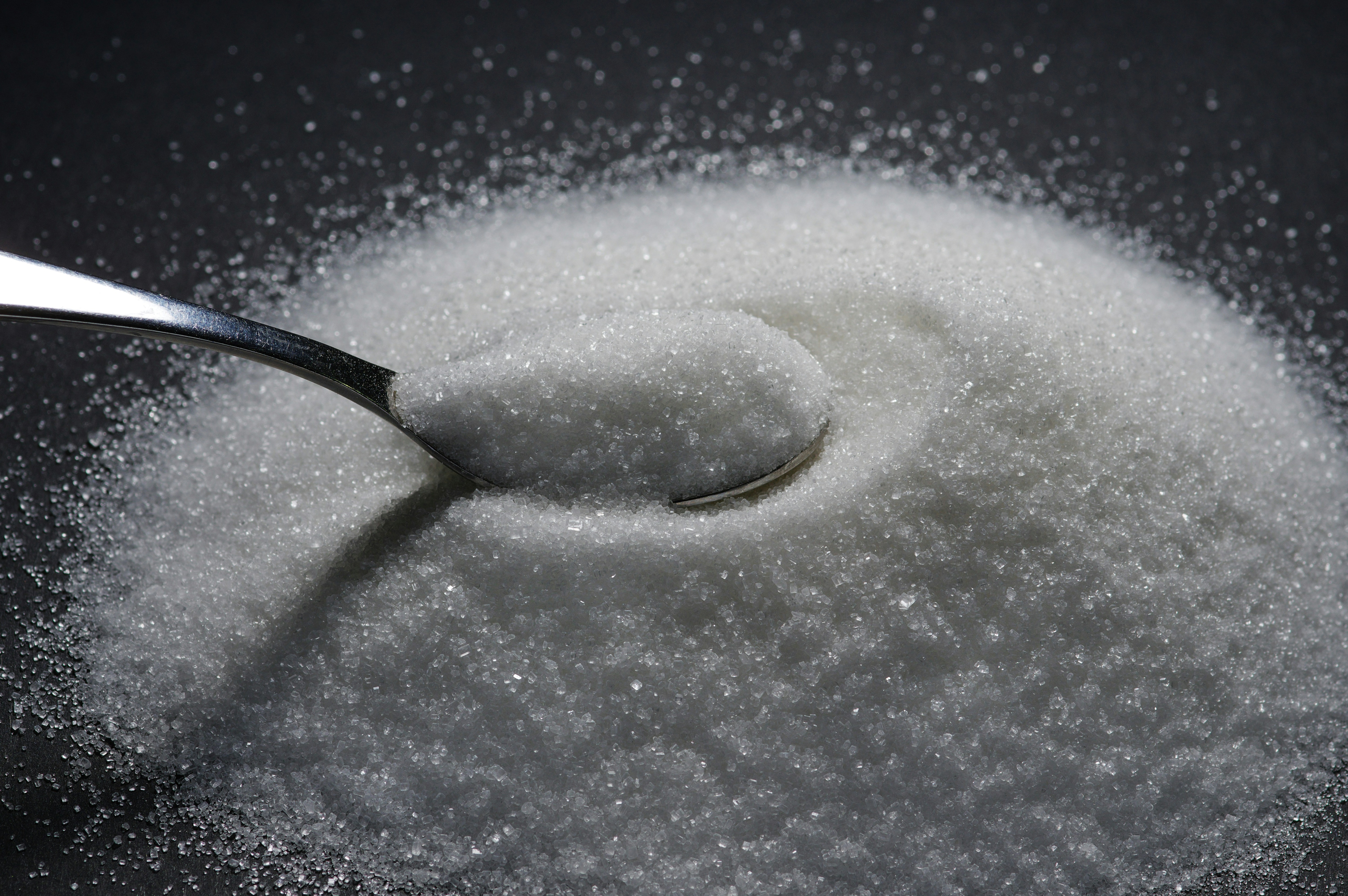
Sugary foods and beverages are often calorie-dense but low in satiety. Photo: Unsplash
Walk into a Japanese bakery and you may find cakes that taste subtle to an Indian palate accustomed to very sweet mithai and packaged desserts. Portion-controlled drinks are common. In many vending machines, smaller bottles are deliberately marketed as easy-to-finish.
By contrast, India's soft drink market is booming. The rise of large-format bottles and promotional pricing has made sugary beverages cheaper and more accessible than ever. While tea remains popular, it is often heavily sweetened.
The science is straightforward. Studies show that reducing sugar intake recalibrates taste perception. After a few months of lower sugar consumption, sweeter foods taste intensely sweet. Japan, by cultural habit, appears to have normalised this recalibration.
Portion Sizes And The Idea Of Waste
Portion control in Japan is not framed as dieting. It is embedded in culture. The concept of mottainai, loosely meaning a regret over waste, shapes attitudes towards food. Children are encouraged to finish meals. Restaurant servings are modest and designed to be completed in one sitting.
Japan's Okinawa Island, also has a principle called Hara Hachi Bu which also translates to "eat until your stomach is 80% full" or "belly eight-tenths full". The culture advises stopping before complete fullness to aid digestion and prevent overeating.
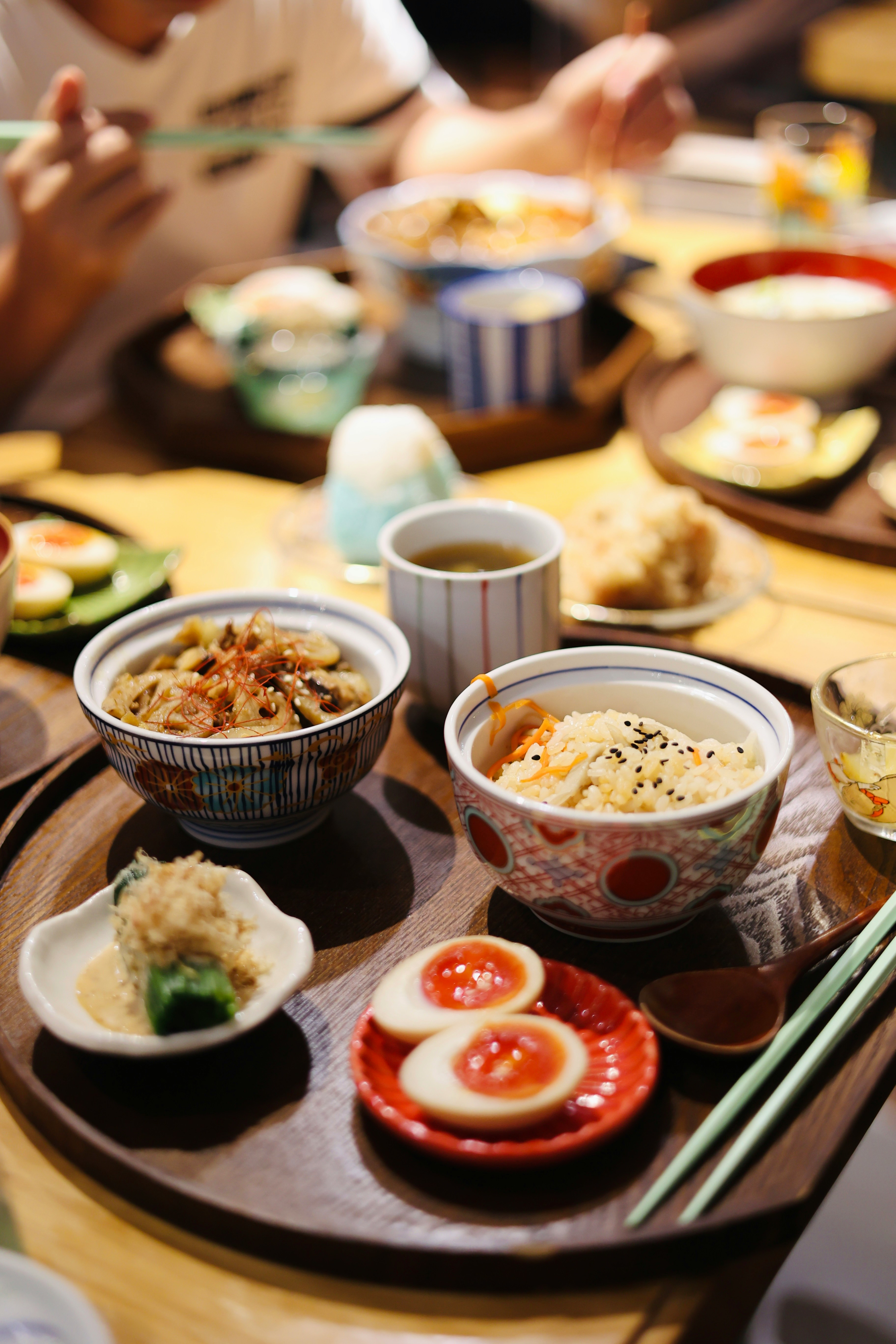
A typical Japanese plate. Photo: Unsplash
An average meal in Japan generally features small, balanced portions of vegetables, fish, and rice served communally, encouraging slow eating and savoring. This contrasts with larger Western servings, including India where portion sizes at home are generally not so reasonable and is generally carb-heavy.
This is also linked with India's restaurant culture, which is also shifting. Buffets, unlimited thalis and value meals encourage overconsumption. In urban celebrations, abundance is equated with generosity. Food waste is common at large gatherings.
Everett points out that even a large drink in Japan would look small in an American setting. In India too, beverage sizes have expanded, especially in cinema halls and quick service chains. The larger the cup, the more normal it feels.
School Lunches As Public Health Policy
One of Japan's most underrated tools is its school lunch system. Meals are planned by nutritionists and prepared fresh, everyday. They typically include rice, vegetables, fish or meat and soup. Nutrition education is part of the curriculum.
In India, the Mid-Day Meal Scheme has improved caloric access for millions of children. However, the focus has historically been on fighting undernutrition, not preventing obesity. As India transitions nutritionally, this dual burden becomes complicated. Ultra-processed snacks often find their way into school canteens in private institutions and lunches.
Japan's approach creates early-life dietary norms that persist into adulthood.
Drinks, Oils And Fried Food
Soft drink consumption is a major differentiator. A Japanese person drinks roughly 30 litres of soda per year, compared to far higher levels in India. Here, soft drink consumption per capita is lower than in the West but rising quickly, especially among the young. It is important to note here that while many of India's Gen Z are actively choosing to avoid sugary drinks and opting for alternatives, their numbers are far fewer than those of average Gen Z consumers elsewhere.
What is more telling is the cultural default. In Japan, tea and water are standard restaurant drinks. In India, sweetened beverages often accompany fast food and social occasions. Even fruit juices are frequently sugar-loaded.
Another reason is the kind of seed oils and ultra-processed frying mediums used. Indians consume large quantities of refined vegetable oils. While the science around seed oils remains debated, it is true that deep-fried, oil-heavy foods are central to modern Indian snacking.
Indians consume large quantities of refined vegetable oils. Photo: Unsplash
Traditional Japanese cooking emphasises steaming, simmering, and grilling. Frying exists, of course, but it is not the only method. Indian cuisine historically had a mix of techniques too, but urban convenience food increasingly tilts towards deep-frying.
Variety Without Excess
Japan offers variety without necessarily offering excess calories. Even in izakayas (a casual Japanese bar or pub), small plates of grilled fish, edamame and pickled vegetables are common.
India too has culinary diversity, arguably far richer. Yet the commercialisation of food has standardised menus around high-margin, high-calorie options. The healthiest dishes are not always the easiest to access when in a rush.
The Anti-Obesity Law In Japan
If all these steps were not enough, Japan has a law that has helped the government to fight obesity in the 2000s.
Called "Obesity Law," or the Metabo Law, the law was introduced in 2008 by the Ministry of Health, Labour and Welfare to combat metabolic syndrome and curb rising healthcare costs.
It mandates annual waistline measurements for adults aged 40-74, targeting men over 85 cm and women over 90 cm. Employers and local governments conduct these checks, aiming for at least 65% participation and a 25% obesity reduction by 2015. Individuals exceeding limits receive counseling, diet advice, and follow-ups, but face no personal fines or legal penalties.
The Bigger Picture
It would be simplistic to say Japan is thin because it is disciplined and India is not. But it's way more complicated than that. Genetics, urban design, walking culture and public transport also matter. Tokyo residents walk extensively. In many Indian cities, walkability is poor and car use is rising.
But the most compelling explanation remains structural. In Japan, the easiest choice is often the reasonably healthy one. In India's fast-growing urban centres, the easiest choice is increasingly calorie-dense and nutrient-poor.
Track Latest News Live on NDTV.com and get news updates from India and around the world
