Doctors in Pune recently encountered a case that challenged routine medical thinking and eventually pointed to an unexpected trigger hiding in plain sight.
A child under the age of two had been suffering from a persistent cough for nearly eight months, despite multiple doctor visits, investigations, and treatments. The case unfolded over the past few months in Maharashtra's Pune district and left paediatricians searching for answers long after common causes had been ruled out.
-

-
 Best Of NDTV World Summit 2026 | Defining Conversations, Big Ideas
 -
 PM Modi Says 'Parasite' Congress Hurts 'Honest' Dissent Movements
 -
 "Some Dreaming Of Disorder": PM Modi's Dig At Rahul Gandhi
 -
 PM Modi Highlights India's Firsts: Fast Breeder Reactor, Hydrogen Train, Asian Games Medals
 -
 "UN's Limits Clearly Visible": PM Modi Presses For 'New Solutions' At NDTV Summit
 -
 "World That Relied On India's Brainpower Now Trusts Its Mindpower": PM Modi
 -
 Non-Oil Trade With India Went Up 50% In 3 Years: UAE Minister At NDTV Summit
 -
 "Some Dreaming Of Disorder": PM's "Failed Product Of Congress" Jibe At Rahul Gandhi
 -
 'Viksit Bharat Not Just For Us': PM Modi's Top Quotes At NDTV World Summit
 -
 Has Indian Cuisine Arrived At The Global Stage? What Vir Sanghvi Believes
The child underwent extensive testing to check for viral infections, asthma, acid reflux, allergies, and even rare respiratory disorders. Every report came back normal. There was no fever, no breathing distress, no weight loss, and no developmental delay. On paper, the child appeared healthy, yet the cough refused to subside.
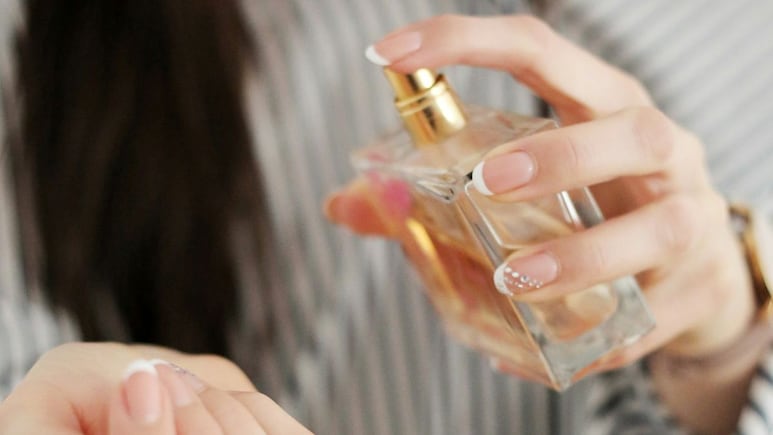
The turning point came only when doctors began examining the child's daily environment. During a detailed conversation with the family, physicians learnt that the child's mother regularly used a strong perfume while caring for the baby. Given the close physical contact between mother and child, doctors suspected prolonged exposure to the fragrance could be irritating the infant's sensitive airways. Once the perfume and other scented products were stopped, the cough gradually eased and disappeared within weeks, confirming their suspicion.
Why Infants Are More Vulnerable To Fragrances
Doctors say infants and toddlers are particularly susceptible to environmental irritants because their respiratory systems are still developing. What may seem harmless to adults can have a far stronger effect on young lungs.
Experts point out that perfumes are not just simple scents. They are complex chemical cocktails containing alcohol, solvents, synthetic fragrances, and volatile compounds that easily become airborne. Frequent exposure, especially in enclosed spaces, can irritate the lining of the nose, throat, and lungs.

Medical experts point out that perfumes are not just simple scents. Photo: Unsplash
Dr A S Sandhya, Consultant in Pulmonary and Sleep Medicine at Kailash Hospital and Neuro Institute, Noida, explains that such reactions are often misunderstood. "Coughing or allergy-like reactions from perfume are more common than people think. In most cases, it is not a true allergy but irritation of the airways," she says.
She adds that when these chemicals are inhaled, they stimulate sensitive nerve endings in the respiratory tract. "The airways interpret strong smells as a threat, similar to smoke or cold air, which is why coughing can appear suddenly," Dr Sandhya explains.
What's Really Happening
One of the reasons perfume-related reactions are frequently misdiagnosed is confusion between allergy and irritation. According to experts, a true fragrance allergy usually involves the immune system and primarily affects the skin, leading to rashes, redness, or itching.
Breathing-related symptoms, however, are more often caused by irritation. Dr Sandhya notes that strong scents activate the trigeminal nerve, which is responsible for detecting irritants. In some individuals, this stimulation can even trigger histamine release, making symptoms feel like an allergy despite negative allergy tests.
Dr Vikram Jeet Singh, Senior Consultant in Internal Medicine at Aakash Healthcare, also highlights this distinction. He explains, "perfumes contain alcohol, synthetic fragrances, and volatile organic compounds that can inflame the airways when inhaled. In people with asthma, allergic rhinitis, or sensitive airways, this inflammation can lead to coughing, sneezing, throat irritation, watery eyes, headaches, or worsening breathing problems."
Who Is More Likely To React To Perfumes
Not everyone exposed to perfume will develop symptoms, and doctors say sensitivity varies widely. People with asthma, sinus issues, chronic respiratory conditions, acid reflux, or generally sensitive airways are at higher risk. Environmental factors such as pollution, dry air, seasonal allergens, cold weather, and repeated exposure in enclosed spaces can further worsen reactions.
Dr Aditya Deshmukh, Internal Medicine expert at Apollo Spectra Pune, warns that daily use of perfumes is often taken lightly. "People assume a pleasant fragrance cannot be harmful, but strong perfumes can quietly trigger cough, allergies, and breathing discomfort," he says.
He adds that reactions are frequently dismissed as seasonal illness or weather-related issues, allowing the real trigger to go unnoticed.
How To Know If Your Perfume Is Causing Your Allergy
Doctors advise paying close attention to timing and patterns. If coughing, sneezing, throat irritation, or breathlessness starts soon after applying perfume or being near strong fragrances, perfume sensitivity is likely. Symptoms often worsen in closed spaces and improve once the scent is washed off or exposure stops.

Not everyone exposed to perfume will develop symptoms. Photo: istock
Dr Singh explains that recurrence of symptoms on repeated exposure is a key clue. "If you notice the same reaction every time you use a particular fragrance, or when someone nearby wears a strong perfume, that pattern is important," he says.
Keeping a simple record of when symptoms appear and fade can help both patients and doctors identify fragrance-related triggers more quickly.
How To Manage The Reaction
Experts advise using perfumes sparingly, avoiding spraying them near the face, neck, or chest, and ensuring good ventilation. Choosing fragrance-free products, especially around infants and young children, is strongly recommended. Parents are also advised to avoid room fresheners, incense, cigarette smoke, and harsh cleaning products around babies.
Dr Deshmukh stresses that medical advice should not be delayed if symptoms persist. Ongoing cough, wheezing, chest tightness, or breathlessness may indicate underlying conditions such as asthma or airway inflammation that require treatment.
Also Read | Who Lives In Greenland?
Track Latest News Live on NDTV.com and get news updates from India and around the world
