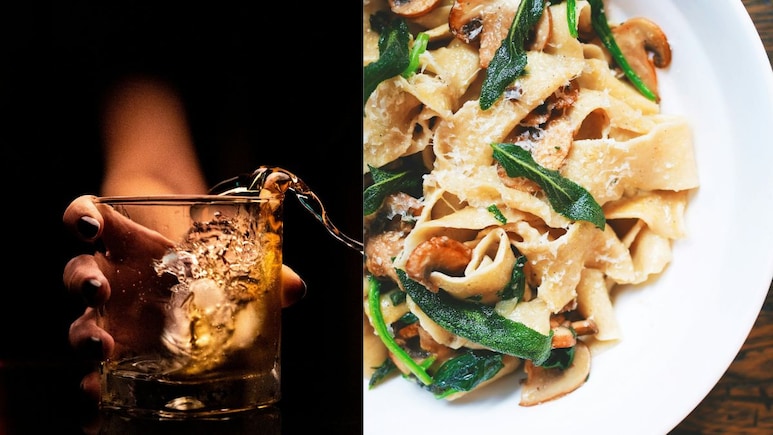
A claim circulating widely on X has put a fresh spotlight on weight loss debates. American neuroscientist Andrew Huberman has promoted a simple fat-loss technique that is now viral.
According to the viral post, the formula for fast fat loss is straightforward: eat only meat, fish, eggs, fruit, and vegetables. Nothing else. No bread, pasta, rice, tortillas or processed foods. Drink only water, coffee or tea. No alcohol or milk.
The result? According to this post, it will 'melt fat faster than most people think possible'.
How Does It Work
According to the video, the magic lies in the hormone response. Remove refined carbs and industrial fats and insulin drops, catecholamines rise (hormones and neurotransmitters (like dopamine, epinephrine/adrenaline, and norepinephrine/noradrenaline) and the body flips into lipolysis (the metabolic process where stored fats (triglycerides) are broken down into glycerol and free fatty acids (FFAs) for energy).
Translation: stored fat is burned quickly and consistently.
But the question most people scrolling through the hype are asking is the same: Is it actually safe?
So What Is It Really?
Strip away the viral packaging and this is essentially an extreme low-carb eating style. Not a full carnivore, because it includes fruit and vegetables. Not classic keto either, because it doesn't obsess over fat ratios. It's high protein, high fat and practically no carbohydrates: especially no grains, dairy or anything processed.
Dr. Andrew Huberman dropped a simple, science-backed protocol that's melting fat faster than most people think possible:
— Camus (@newstart_2024) December 6, 2025
Eat only meat, fish, eggs, fruit, and vegetables. Nothing else. No bread, pasta, rice, tortillas, or processed foods. Drink water, coffee, or tea — skip… pic.twitter.com/ufHxkOc1ng
The logic behind it makes sense at first glance. If you remove foods that spike appetite and blood sugar (pastries, pizzas, fried snacks, instant noodles) cravings reduce and weight drops even without counting calories.
However, according to experts and science,.the trouble starts when you go beyond the honeymoon phase.
What Experts Are Saying
Dietician Vidhi Chawla, Founder of FISICO Diet and Aesthetic Clinic, acknowledges that the fast results are real, but she makes it equally clear that the body pays for this approach if pushed too long.
She explains that the early weight loss mostly comes from water as the body burns through stored glycogen. Once that runs out, the metabolism shifts into ketosis, and fat burning increases, which is why the diet feels effective in the beginning.
Carbs spike appetite and blood sugar. Photo: Unsplash
But she cautions that completely cutting out carbohydrates comes with major trade-offs. "Carbohydrates are not just about energy, they are a major source of dietary fibre, essential vitamins, minerals and phytochemicals." She adds that eliminating them often increases the risk of deficiencies in nutrients needed for immune health, nerve function, digestion and metabolism.
She also points to real-world problems people face on strict no-carb diets: constipation due to lack of fibre, gut microbiome disruption, mood imbalances and even drops in stamina and performance for people who exercise. And long term, she warns that "exclusive reliance on animal-based proteins and fats may raise saturated fat intake and elevate cardiovascular risk."
Her bottom line: fast results don't mean the diet is safe or sustainable.
Dr Shyam Sharma, a general physician from Assam, also agrees. He says low-carb diets can be effective for short-term weight loss and improving some cardiovascular risk factors, but there is insufficient evidence to support their long-term safety or superiority over balanced diets.
Instead he recommends a balanced approach, focusing on healthy carbohydrates (like whole grains, fruits, and vegetables) rather than complete elimination, to maintain long-term health and prevent deficiencies.
Science Also Agrees
Research aligns with that view. Low-carb diets almost always show:
- Rapid initial weight loss because of water + fat loss
- Better blood sugar control in the first few weeks
- Reduced hunger and fewer cravings
But the picture changes when these diets are followed for months or years. Studies repeatedly show:
- Reduced fibre intake, leading to digestive issues
- Weakened gut microbiome
- Vitamin and mineral deficiencies if food variety is low
- Higher cardiovascular risk if red meat intake becomes excessive
- Rebound weight gain once carbs are reintroduced
Large meta-analyses also agree on one key point: low-carb diets beat balanced diets for short-term weight loss, but not beyond 12 to 24 months.
Fast? Yes. Long-term solution? Unproven.
The Real Takeaway
The viral post isn't popular because it's absurd. It's popular because it cuts through modern diet fads that comes and goes and offers a clear rule: real food over processed food. That alone can transform health.
But the idea that carbohydrates are the enemy forever isn't supported by expert opinion or scientific evidence.
Track Latest News Live on NDTV.com and get news updates from India and around the world
