





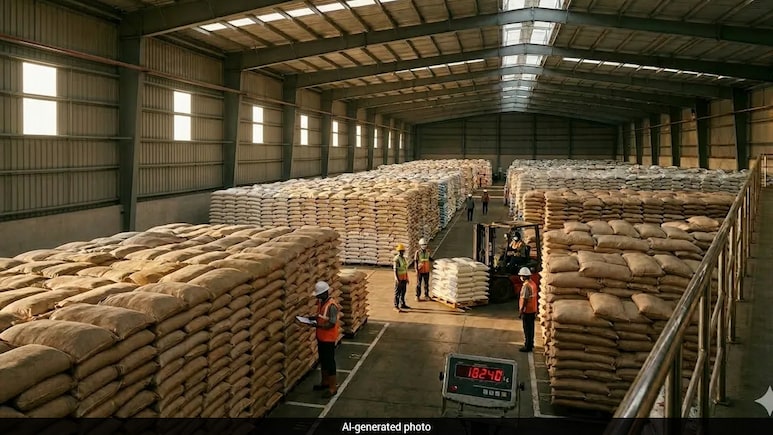
- Sulphur supply disruption from the Strait of Hormuz affects global industries and food prices
- Gulf region provides over 45% of sulphur exports, vital for fertilisers and semiconductor production
- India relies heavily on imported sulphur, risking higher fertiliser costs and food inflation
Even as households worry about fuel prices and LPG supplies amid the Iran war, a quieter disruption is building in the background. It involves sulphur, a basic element required for fertilisers, batteries, chemicals, metals and even semiconductors.
So, from urea to computer chips, sulphuric acid is essential to production lines. However, the disruption around the Strait of Hormuz has led to a supply shock that can slow factory production and push up food prices. Follow Live Updates
According to a report by the Modern War Institute, the Hormuz Strait handles roughly half of global seaborne sulphur flows. Another report by Dun & Bradstreet estimates that over 44,000 companies have had at least one shipment affected since the fresh Iran conflict began on February 28.
Why Sulphur Matters So Much
Sulphur is largely a byproduct of oil and gas refining. The Gulf region accounts for over 45 per cent of global exports. Essentially, any oil disruption quickly becomes a sulphur disruption.
Meanwhile, nearly 60 per cent of global sulphur demand comes from fertilisers. The rest feeds chemicals, metals processing, batteries and chip fabrication.
| Sector | How sulphur/sulphuric acid is used | Risk from shortage |
| Fertilisers (Urea, Phosphates) | Core input for nutrient production | Food inflation, lower yields |
| Semiconductors | Cooling, cleaning wafers in fabrication | Chip output delays |
| Metals & Mining | Leaching copper, nickel, uranium | Lower metal recovery, higher costs |
| Batteries & Chemicals | Electrolytes, industrial chemicals | Cost escalation across products |
Why India Is Vulnerable
India imports a significant portion of its sulphur requirement, largely for urea and phosphate fertilisers. Any prolonged disruption will show up in:
- Fertiliser subsidy burden rising for the government
- Higher input costs for farmers
- Food inflation risks if supply tightens
- Chemical and metal producers facing cost spikes
Notably, Indonesia, a key nickel producer, imports about 75 per cent of its sulphur from the Middle East. India sits in a similar dependency bracket for fertiliser-linked demand. Therefore, a prolonged Iran conflict keeps this pressure alive. In fact, a recent research from the The Soufan Center and an analysis by the International Food Policy Research Institute concluded that fertiliser disruptions could quickly morph into food security risks.
China Tightens The Tap
Acknowledging the disruption in supply, China has indicated it will halt exports of sulphuric acid from May, especially acid produced as a byproduct of copper and zinc smelting. The move, aimed at conserving supplies for its peak planting season, adds to the global squeeze.
The restriction could last through 2026, according to media reports. However, the Ministry of Commerce of the People's Republic of China has not publicly detailed the policy yet. Despite this, sulphur prices in China, the largest consumer of the element, are already up about 15 per cent since the war began, as reported by the Financial Times.
Centre Raises Subsidy To Offset Import Cost
Earlier this month, The Indian government raised nutrient-based subsidies (by nearly 12 per cent) for the upcoming kharif season. The government's decision to increase the allocation under the nutrient-based subsidy regime is aimed at offseting higher import costs of fertilisers. While the move shields farmers and end consumers for the time being, the exchequer will bear the loss.
According to experts, if the war drags on and the sulphur supply shock persists, the government will be left with two uncomfortable options -- pass on the increased price burden to end consumers or take a substantial hit in its earnings (and thereby, losing its ability to spend).
Track Latest News Live on NDTV.com and get news updates from India and around the world

