





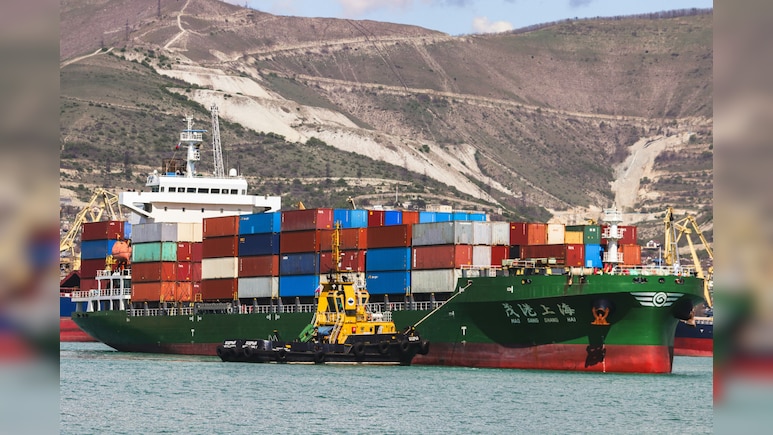
The ongoing Iran war and the consequent disruption in the Strait of Hormuz is no longer just an oil story. As supply delays stretch into weeks, the ripple effects are beginning to show up across a range of industrial inputs.
A recent analysis by Morgan Stanley highlights how everyday economic activities are directly at risk due to the supply disruption. The issue is not just higher prices, but the concentration of production in the Middle East for several critical intermediates. Therefore, when these supplies are hit, the impact travels quickly across industries.
According to the report, the Strait carries about 20 per cent of global oil flows and a quarter of LNG trade. With the route effectively shut for nearly three weeks, production shut-ins have already begun. Even after reopening, normal supply levels may take time to return.
Key Inputs At Risk And Why They Matter
| Product | Middle East Market Share | Why It Matters |
| Sulphur | 45 per cent | Used to make sulphuric acid and fertilisers |
| LPG (Butane/Propane) | Butane: 44 per cent; Propane: 25 per cent | Fuel and petrochemical feedstock |
| Crude oil | 34 per cent | Base input for fuels and chemicals |
| Helium | 33 per cent | Essential for semiconductors & MRI systems |
| Methanol | 30 per cent | Building block for plastics and solvents |
| Butadiene | 4 per cent | Used in synthetic rubber and engineering plastics |
| Aluminium | 24 per cent | Key lightweight metal for transport and packaging |
| Urea/DAP/Ammonia | 22 per cent | Critical fertilisers for agriculture |
| LNG | 19 per cent | Fuel for power and industrial use |
| Naphtha | 17 per cent | Petrochemical feedstock |
How Disruptions Could Play Out Across Industries
1) Agriculture and fertilisers: Fertiliser inputs like urea, ammonia and sulphur are heavily linked to the region. Any disruption here quickly feeds into crop production costs.
| Intermediary Product | Impacted sectors |
| Sulphur | Agriculture, chemicals, metal processing |
| Urea/DAP/Ammonia | Agriculture, mining |
Higher fertiliser prices can push up food inflation, especially in import-dependent economies like India.
2) Energy and fuels: Crude oil, LPG and LNG form the backbone of both household and industrial energy.
| Intermediary Product | Impacted sectors |
| Crude oil | Energy, petrochemicals |
| LPG | Residential fuel, industrial power, petrochemicals |
| LNG | Power generation, manufacturing, chemicals |
India is particularly exposed here. Over 40 per cent of its crude imports pass through the Strait, and more than 30 per cent of its LPG and LNG consumption depends on the Middle East.
3) Manufacturing And Petrochemicals
Several downstream industries rely on petrochemical intermediates such as methanol, butadiene and naphtha.
| Intermediary Product | Impacted sectors |
| Methanol | Plastics, textiles, consumer goods |
| Butadiene | Tyres, automotive, rubber |
| Naphtha | Chemicals, refining, synthetic fibres |
4) Metals and heavy industry
Aluminium production is both energy-intensive and regionally concentrated.
| Intermediary Product | Impacted sectors |
| Aluminium | Construction, automotive, machinery |
Rising energy costs alongside supply constraints can compress margins across manufacturing.
5) High-tech and healthcare
Some of the most surprising vulnerabilities lie in niche inputs like helium.
| Intermediary Product | Impacted sectors |
| Helium | Semiconductors, healthcare, aerospace |
Qatar alone supplies a third of global helium. It also accounts for more than 60 per cent of Taiwan's imports. While helium is a small input, it is indispensable in chip manufacturing.
Why The Iran War Shock Hits Different
Morgan Stanley highlights that risks are higher when production is concentrated, even if overall trade volumes are small. Helium is a good example. So is butadiene. This creates what analysts call "non-linear effects". A minor disruption in one input can halt production across entire industries.
Asia In The Line Of Fire
Asian economies are among the most exposed.
• Japan, India, Korea and Taiwan have around 50 per cent exposure to Middle East energy trade
• India, China and Korea depend significantly on LNG imports from the region
• Countries like India and the Philippines have relatively lower fuel reserves
India has already responded with measures such as LNG rationing and LPG price hikes. Other countries are taking steps too, including fuel subsidies, tax cuts and conservation measures.
Energy shocks have historically disrupted growth cycles. After the Russia-Ukraine war in 2022, developed market PMIs dropped sharply and have yet to fully recover.
Market impact: More About Prices Than Volumes (For Now)
For now, the biggest macro risk is coming from prices.
• Oil has already surged past $100 per barrel
• LNG prices could rise further if disruptions persist
• Higher input costs may squeeze corporate margins
If the shock continues, it could lead to production cuts, export disruptions and slower global growth. From fertilisers and fuels to semiconductors and plastics, the Middle East plays a critical role in supplying key intermediates. When that chain breaks, the effects travel far beyond energy markets. For India and the rest of Asia, the risk lies not only in higher prices, but in the possibility that critical inputs simply do not arrive on time.
Track Latest News Live on NDTV.com and get news updates from India and around the world

