





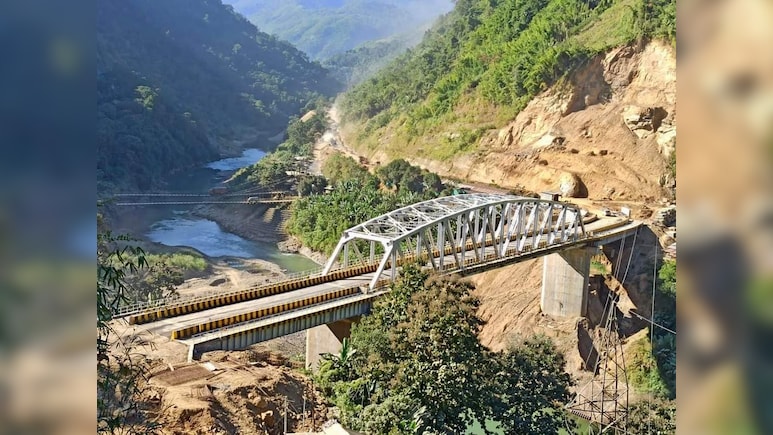
For years, the condition of Manipur's highways has determined much more than travel time. It has influenced the supply of food, fuel, medicines and every other essential commodity entering the landlocked state.
Today, no road illustrates that reality better than National Highway-37, the 224-km corridor connecting Imphal with Jiribam and onward to Silchar in Assam.
Once regarded as the neglected alternative to National Highway-2 through Nagaland, NH-37 has over the past three years became Manipur's principal supply route, as recurring blockades and disruptions repeatedly affected traffic on NH-2.
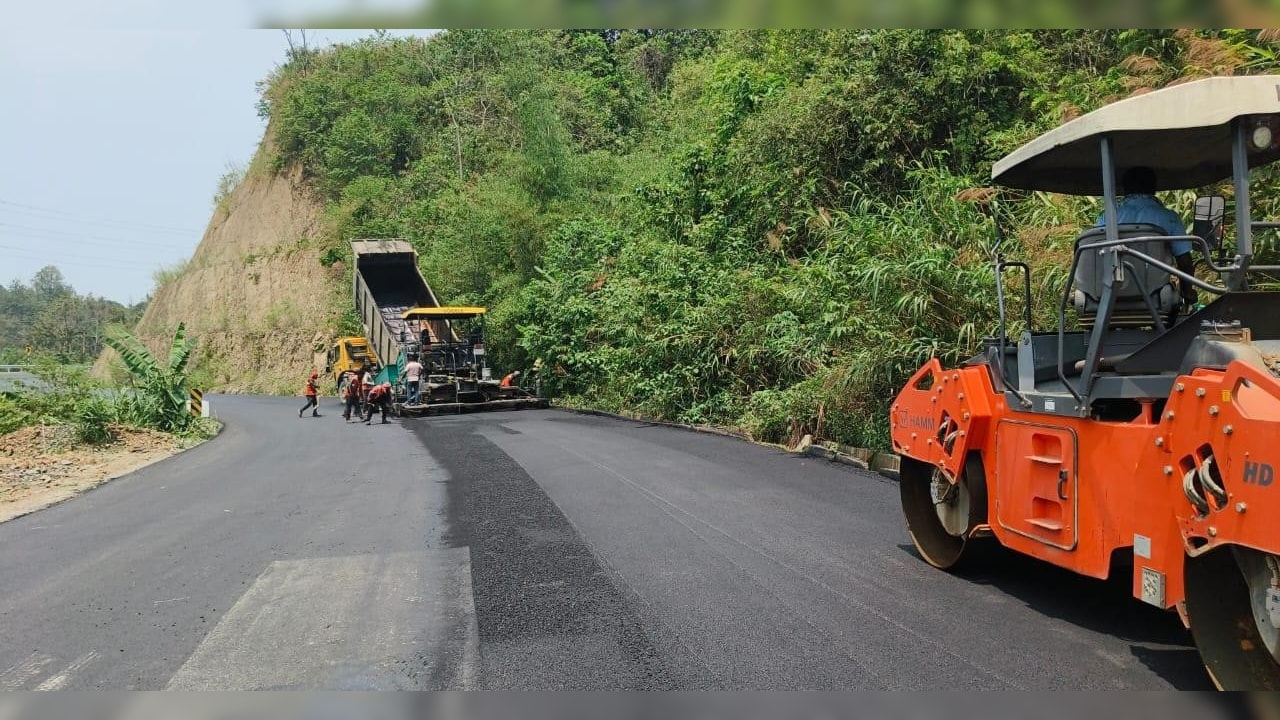
Recognising its strategic importance, the Ministry of Road Transport and Highways (MoRTH) sanctioned a Rs 1,300-crore project in 2022 to widen and upgrade 203 km of the highway into an all-weather corridor. While the project has transformed large stretches of the route, the arrival of every monsoon continues to expose its unfinished reality.
A Highway That Inspired Hope
When construction began under the National Highways and Infrastructure Development Corporation Limited (NHIDCL), optimism was widespread.
The project was divided into seven construction packages covering more than 203 km. It also included replacing ageing Bailey bridges with permanent Reinforced Cement Concrete (RCC) bridges across the Irang, Barak and Makru rivers, critical bottlenecks that had slowed heavy traffic for decades.
The difference was visible.
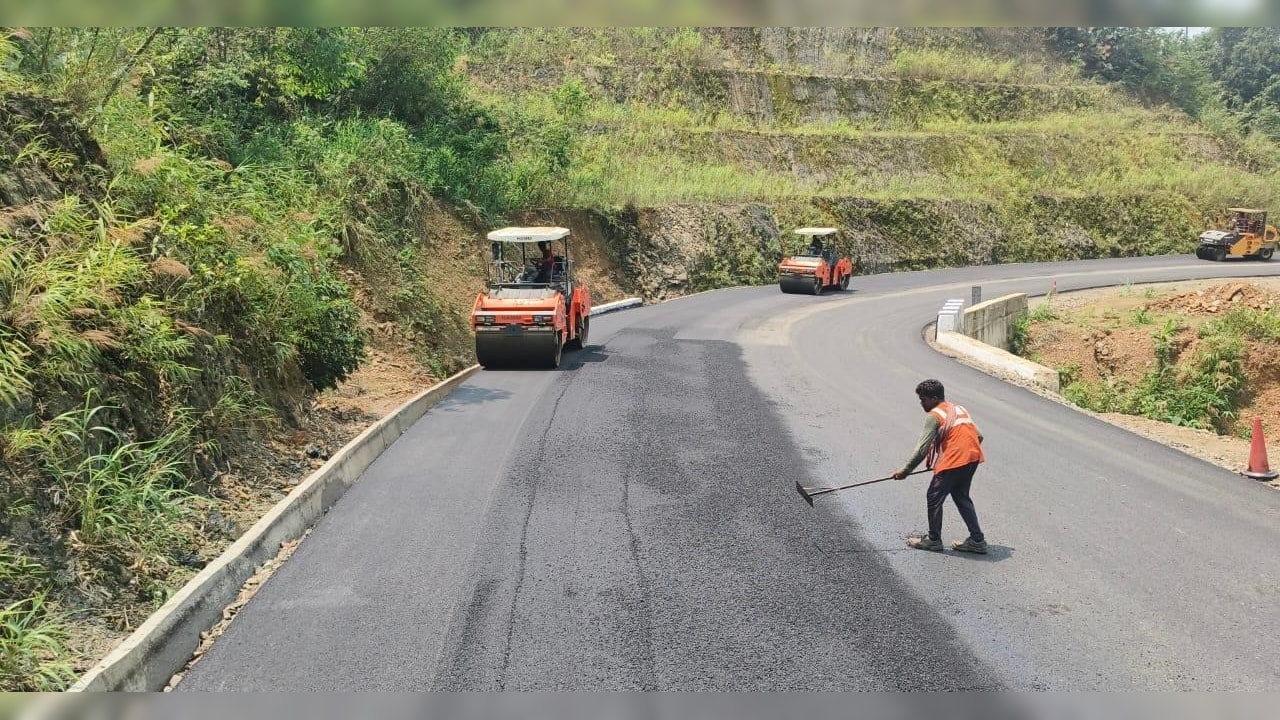
Regular commuters say travelling between Imphal and Jiribam, which earlier took six hours or more under favourable conditions, gradually came down to around four or five hours.
For the first time in years, many believed NH-37 was finally evolving into the dependable western gateway that Manipur had long needed.
Then came the monsoon.
That optimism has once again been tested.
"The moment it rains, we are back to square one," said a commuter who regularly travels between Imphal and Silchar.
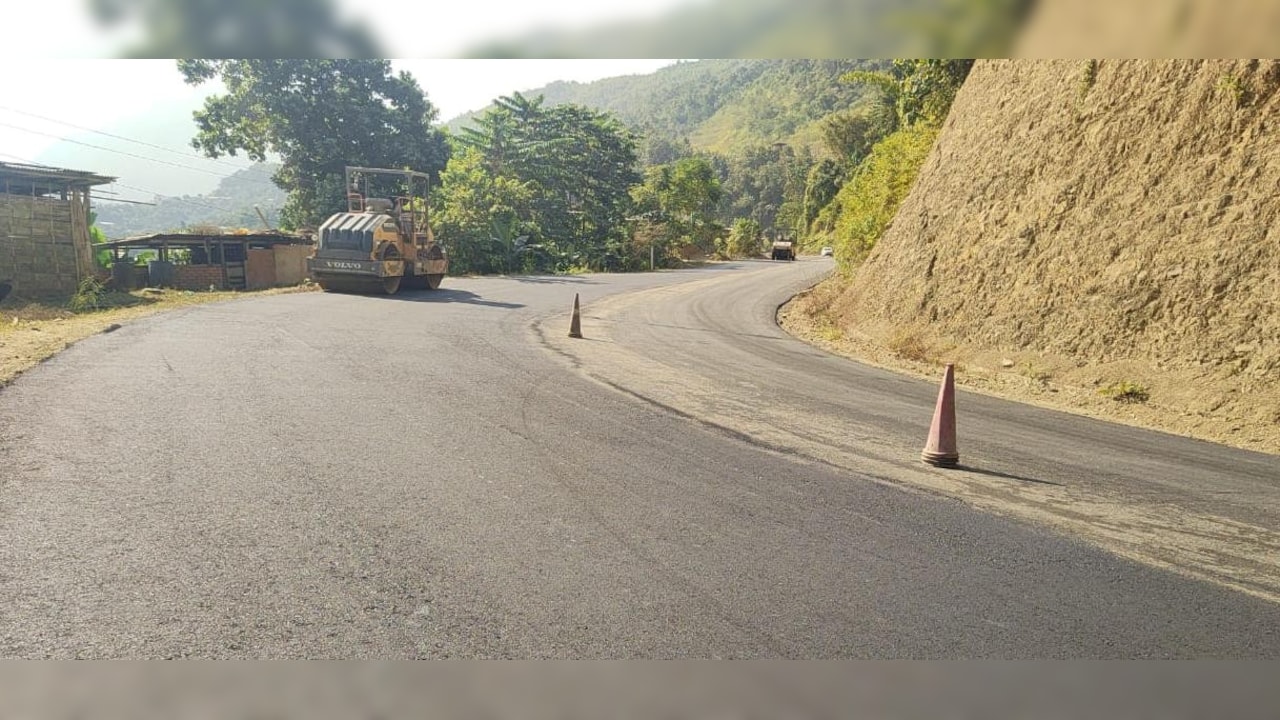
Instead of a four-to-five-hour drive to Jiribam, the journey often stretches to seven or eight hours because of landslides, damaged road surfaces, overflowing drains, mud-covered stretches and traffic snarls.
For many motorists, the experience raises a troubling question: Can a road described as an all-weather highway still become so vulnerable after every spell of rain?
NHIDCL says the highway has been carrying far more traffic than originally anticipated.
According to Deputy General Manager Rafique Ahmad Choudhury, vehicle movement increased dramatically after the ethnic violence that began in May 2023, when disruptions on NH-2 diverted much of Manipur's commercial traffic to NH-37.
Daily convoys, he said, increased from three or four to as many as six or seven, with nearly 1,000 vehicles using the highway every day.
Such heavy movement, particularly by loaded trucks, has accelerated the deterioration of road sections that are still under construction.
The agency also cites delays caused by land acquisition disputes, natural calamities and local protests.
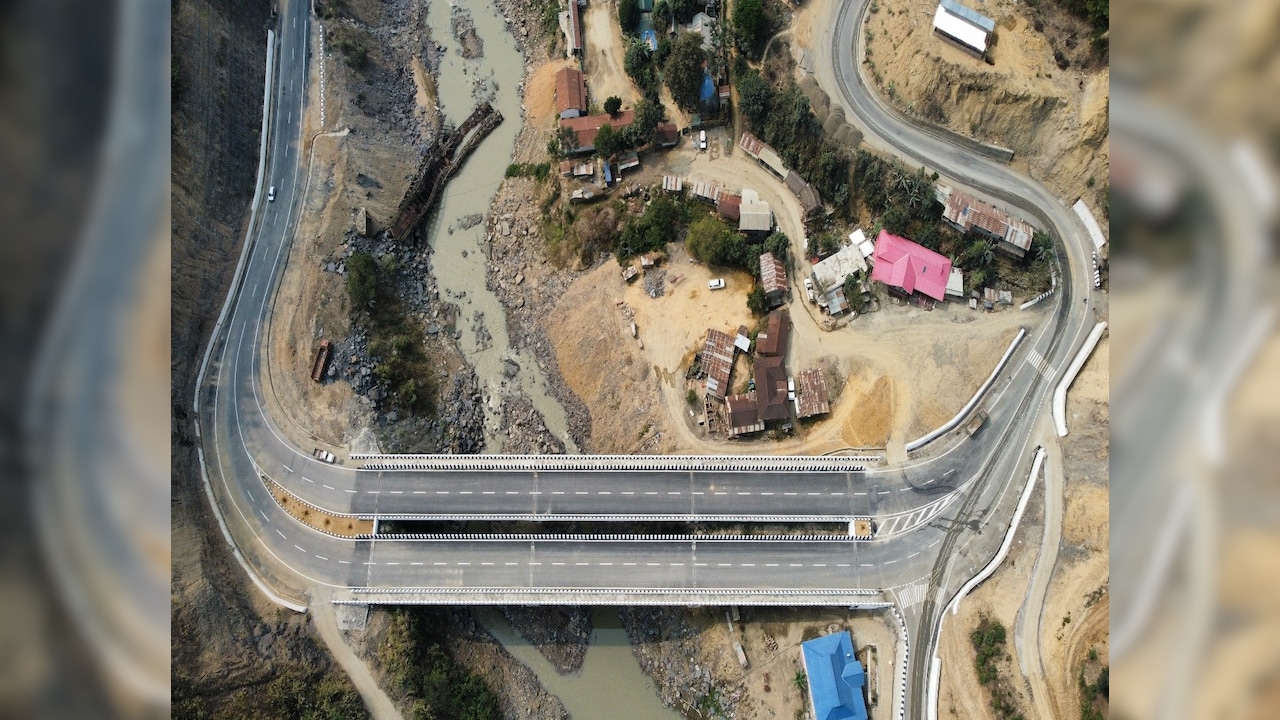
Drivers' organisations allege that poor maintenance of roadside drains allows rainwater flowing down the hills to wash across the highway, weakening freshly constructed stretches.
They have also questioned the practice of steep hill cutting during road widening, arguing that inadequate slope protection has contributed to repeated landslides.
Recent disruptions near Oinamlong, where landslide debris partially blocked the road, have reinforced these concerns.
Truckers have also alleged that repair work slowed shortly after it began, leaving hundreds of vehicles stranded between Noney and Nungba.
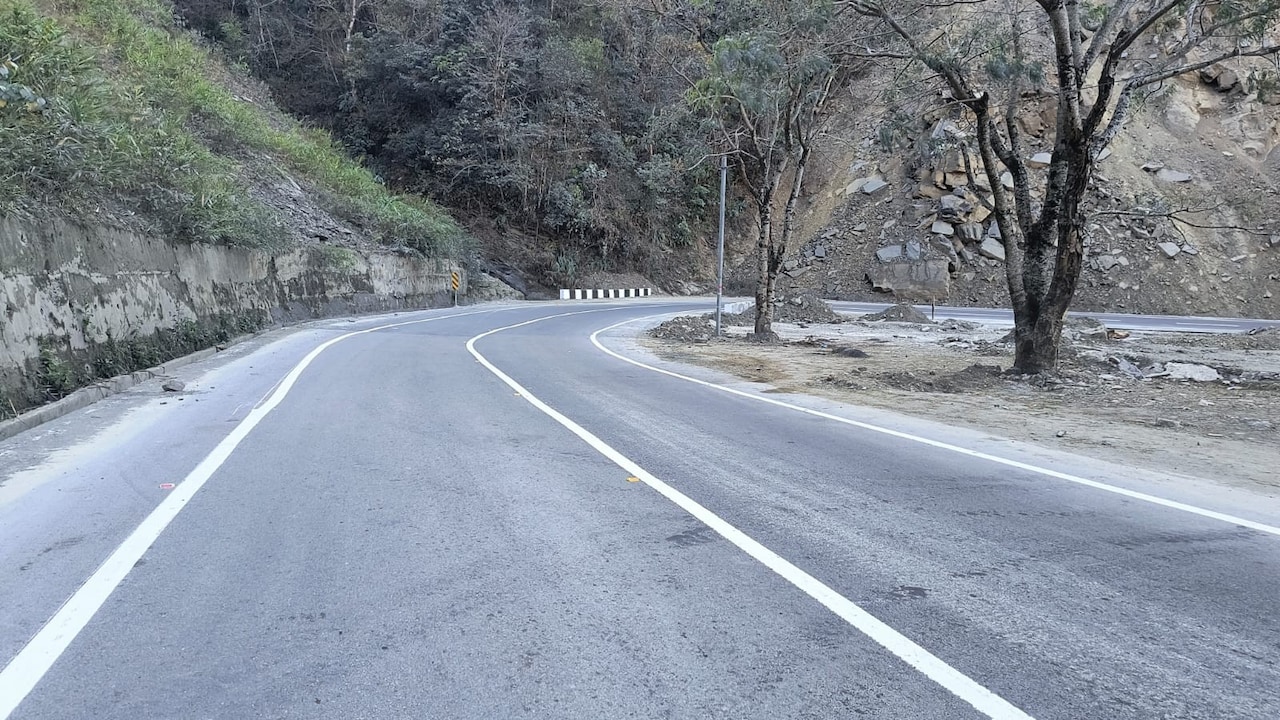
NHIDCL rejects the allegations, maintaining that repair work continues in full swing, diversions have been created wherever necessary, and that several criticisms are motivated by vested interests.
Progress Amid Challenges
Two of the project's seven construction packages have already been completed, while the remaining packages have achieved between 85% and 90% progress.
Dense Bituminous Macadam has been laid over nearly 190 km of the highway, and the Centre has already released about Rs 1,040 crore, around 80% of the sanctioned project cost.
According to NHIDCL, six vulnerable stretches, Keiphundai, Shantikhunou, Barak, Nungba, Rengpang and Irang, are being prioritised. The agency says these sections, along with other damaged portions of the highway, will be restored to a comfortable motorable condition during July, with the entire project scheduled for completion by December 2026.
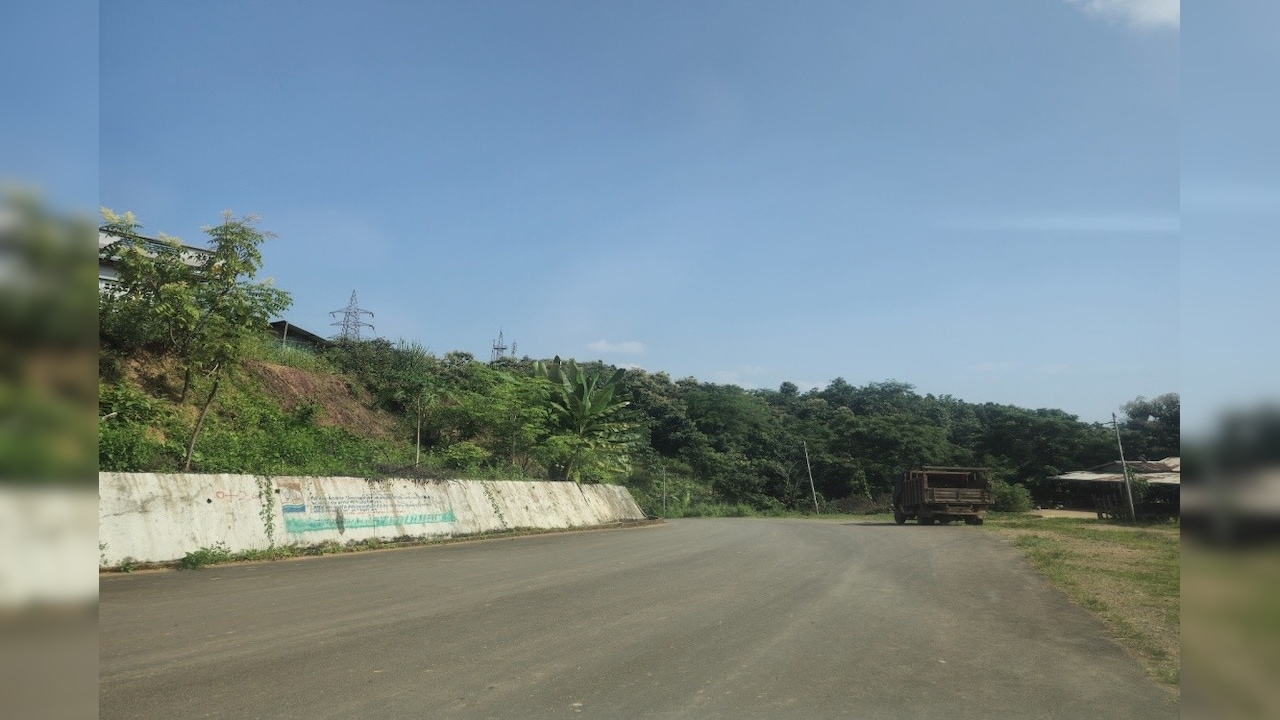
More Than Just A Highway
For Manipur, NH-37 is no longer merely an alternate highway. It has become the state's economic safety valve.
Every improvement directly affects the movement of food grains, fuel, medicines, construction materials and commercial goods. Relief supplies destined for conflict-affected areas have also relied on this corridor.
NHIDCL's assurance that the Rs 1,300-crore project will be completed by the end of 2026 offers hope that the answer may finally be yes.
Until then, NH-37 remains both a symbol of progress and a reminder that building an all-weather highway through one of India's most challenging terrains is as much a test of engineering as it is of endurance.
(With Inputs from BM Sunzu in Imphal)
Track Latest News Live on NDTV.com and get news updates from India and around the world

