



- Madhya Pradesh’s share in Central tax devolution fell from 7.85% to 7.35%, down by Rs 2,314 crore
- The state faces an estimated Rs 7,500 crore annual loss for the next five years
- Urban bodies in MP can now raise funds through AMRUT bonds, aiding cities like Bhopal and Indore
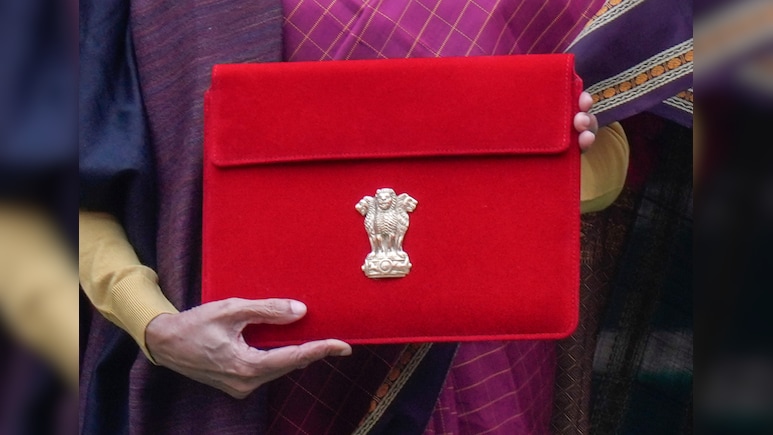
The Union Budget has landed, but for Madhya Pradesh, it has triggered more debate than celebration. While the Centre is projecting growth and efficiency, Madhya Pradesh has emerged as the lowest gainer under the new tax-sharing formula of the 16th Finance Commission.
The biggest jolt is in Central tax devolution.
The share of the state has dropped from 7.85 per cent to 7.35 per cent, translating into an immediate loss of Rs 2,314 crore this year and an estimated Rs 7,500 crore hit every year for the next five years.
In total, Madhya Pradesh stands to lose nearly Rs 7,677 crore, making it the biggest loser among major states.
The Opposition has termed this a direct injustice.
The Leader of the Opposition, Umang Singhar, said: "The Centre has cut Madhya Pradesh's share in central taxes. The BJP calls MP its 'maternal home', yet this is an insult to the state and its 29 MPs. Why is Madhya Pradesh being singled out and discriminated against?"
The government argues that the budget must be seen beyond just tax shares. It points to the Centre's massive Rs 12 lakh crore capital assistance for Tier-2 and Tier-3 cities, from which around 10 cities in MP could benefit through improved infrastructure.
There is also optimism that Bhopal may get one of the five proposed university townships, potentially boosting education and investment.
Urban local bodies have received some relief, with Bhopal, Indore, Jabalpur, Gwalior, and Ujjain now being allowed to raise funds through AMRUT bonds.
Learning from water contamination tragedies like Indore's Bhagirathpura, the Centre has approved the deployment of 10,000 'Mahila Amrit Mitra' to monitor drinking water quality. On women's empowerment, the launch of 'She-Mart' -- an extension of the "Lakhpati Didi" initiative -- is expected to benefit over 16 lakh women in the state.
Defending the budget, Finance Minister Jagdish Deora said: "The budget focuses on very important areas. Reducing customs duty on medicines for serious illnesses will greatly benefit the poor. Farmers, women, and youth have all been addressed, and initiatives like national waterways, healthcare, education, and Ayurveda will have long-term impact."
But amid these promises, the biggest disappointment remains Ujjain's Simhastha Kumbh mela of 2028.
Despite expectation of 30 crore incoming devotees, the state's demand for a Rs 20,000 crore special package has found no mention. Pending dues under the Jal Jeevan Mission, debt relief, and a clear guarantee on fund flow also remain unresolved.
In essence, Madhya Pradesh got infrastructure hopes and welfare promises, but lost hard money. The budget offers possibilities, but the state is left balancing optimism with a shrinking share and unanswered questions.
The pressure is already visible on the state's finances. Since April 1 of the current financial year, the Madhya Pradesh government has borrowed Rs 57,100 crore, pushing the total outstanding debt to Rs 4.70 lakh crore. This figure is more than Rs 40,000 crore higher than the state's own annual budget, raising serious concerns about fiscal sustainability.
Track Latest News Live on NDTV.com and get news updates from India and around the world

