





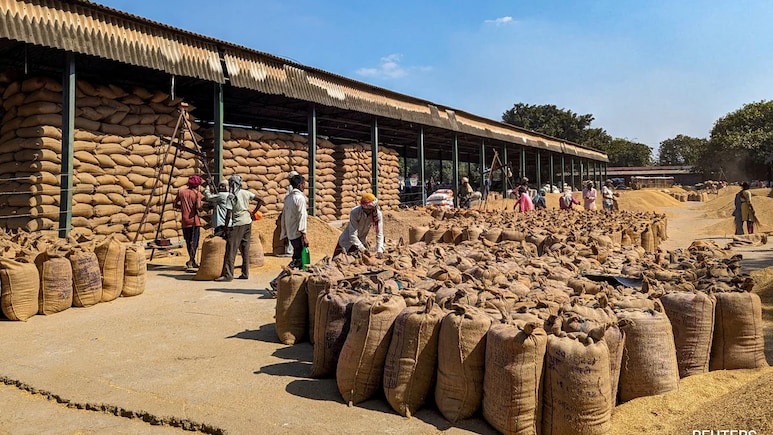
The rising geopolitical tensions between US-Israel and Iran are beginning to ripple through India's agricultural export economy, with the basmati rice trade emerging as one of the earliest casualties.
Export activity has slowed dramatically as uncertainty over shipping routes, war-risk surcharges, and disrupted trade channels has virtually halted the movement of consignments. Industry estimates suggest that nearly 4 lakh tonnes of basmati rice shipments are currently stranded either in transit or at international ports, creating a cascading crisis for exporters, millers, and farmers.
India is the world's leading exporter of basmati rice, with the Middle East accounting for a significant portion of the trade. Iran, Saudi Arabia, Iraq, the United Arab Emirates, and Yemen together make up nearly 50 per cent of India's basmati export market.
The sudden freeze in overseas demand has already begun affecting domestic markets. Traders across major rice mandis reported a sharp drop in basmati prices in the domestic market, with rates falling by as much as Rs 1,000 per quintal. Varieties such as Basmati Sela 1509, Basmati 1121, Sugandha, and Sharbati are facing severe disruptions as shipping companies raise war-risk tariffs and alter delivery routes.
The impact is being felt strongly in Madhya Pradesh as well. Districts like Raisen and Narmadapuram, known for exporting large quantities of basmati rice, are witnessing a sudden slowdown in export orders. Exporters say that the escalating tensions have led to increased taxes and operational costs, making shipments far more expensive and unpredictable.
Sachin Verma, President of the Aparna Food Mills Association in Raisen, said the conflict has created unprecedented uncertainty for exporters. "The price of exported basmati rice has effectively increased by Rs 8 to Rs 10 per kilogram due to these added charges. In several cases, shipping companies have diverted consignments to alternate ports instead of their intended destinations, further inflating costs and delaying deliveries," he said.
Pranjal Malani, a businessman associated with the rice trade, said the crisis is already creating serious operational challenges for exporters.
"Nearly 4 lakh metric tonnes of basmati are currently stuck at ports or in transit, which has delayed payments and created major financial stress for traders. Container costs that were earlier around $1,800 have now risen to nearly $3,800, adding further pressure on exporters. The situation may worsen because even containers that have reached their destinations are not being picked up by buyers. People are not answering calls, and this is creating a lot of problems for exporters," he said.
Yet, not everyone in the industry sees the situation as entirely bleak. Ajay Bhalotia, General Secretary of the All India Rice Exporters Association, believes that while shipments are currently delayed, the crisis may be temporary.
According to him, although some consignments are stuck, they are likely to reach their destinations eventually. If tensions ease quickly, exporters could also see renewed demand from Iran once trade routes stabilise, he said.
Track Latest News Live on NDTV.com and get news updates from India and around the world

