





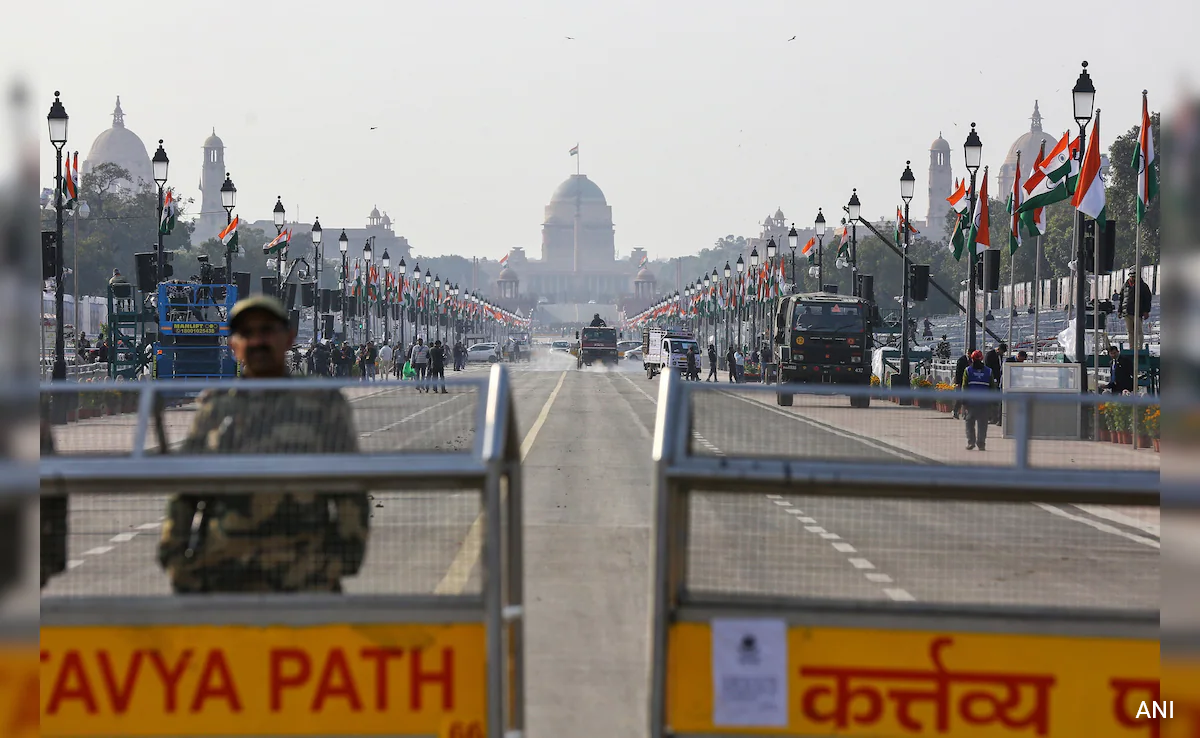
When India marked Republic Day in 1976 and 1977, the country was under a national Emergency imposed by Prime Minister Indira Gandhi. The 21-month period, from June 25, 1975, to March 21, 1977, altered the political and civic environment. The Constitution was commemorated, nonetheless.
The Emergency 1975
The Emergency was preceded by political and economic strain, rising protests in Bihar and Gujarat, and opposition mobilisation led by Jayaprakash Narayan. The situation escalated after the Allahabad High Court, on June 12, 1975, invalidated Indira Gandhi's 1971 Lok Sabha election. The verdict triggered nationwide protests demanding her resignation.
On the night of June 25, 1975, President Fakhruddin Ali Ahmed proclaimed a national Emergency under Article 352, citing internal disturbance, on the advice of the Prime Minister and her Cabinet.
Republic Day Under Suspension Of Rights
Republic Day, observed every January 26 to commemorate the adoption of the Constitution in 1950, is meant to symbolise India's democratic republic and constitutional values. During the Emergency years, though, this stood in sharp contrast to political reality.
Fundamental rights, including freedom of speech and expression, were suspended. The press functioned under censorship, with newspapers required to publish only government-approved material.
Thousands of opposition leaders, activists, and journalists were detained under laws such as the Maintenance of Internal Security Act (MISA).
Amid this, Republic Day celebrations in 1976 and early 1977 proceeded as official events under close state control.
Republic Day Addresses During The Emergency
The tension was reflected in the Republic Day addresses delivered by President Ahmed during the Emergency.
On January 26, 1976, in his message to the nation, the President appealed to citizens to observe self-discipline. Reviewing the national situation over the previous year, he spoke of “the gains of the Emergency.” He said the practice of “atmanushasan” (self-imposed discipline) and said, “Once all parties accept this need for self-discipline and the obligations which are essential for the smooth working of our democratic system, the country, I am sure, will enter a new era of all-round progress.”
He cited improvements on the economic front, an atmosphere of order in universities and colleges, a decline in prices, steps toward land reforms, and prospects of higher industrial growth.
The following year, on January 26, 1977, the President again presented a positive assessment of national progress. In his broadcast, he said that achievements should not “make us complacent and blind us to our shortcomings.” He appealed to political parties to avoid bitterness during their election campaigns and to help maintain peace and calm in the country.
End Of The Emergency
The Emergency was lifted in March 1977, followed by general elections. The Congress, under Indira Gandhi, was defeated and the Janata government, led by Morarji Desai, came to power. It released political prisoners and set up the Shah Commission to probe Emergency-era excesses.
Subsequent constitutional changes, including the 44th Amendment, restored civil liberties and tightened safeguards against the misuse of Emergency powers.
Track Latest News Live on NDTV.com and get news updates from India and around the world

