





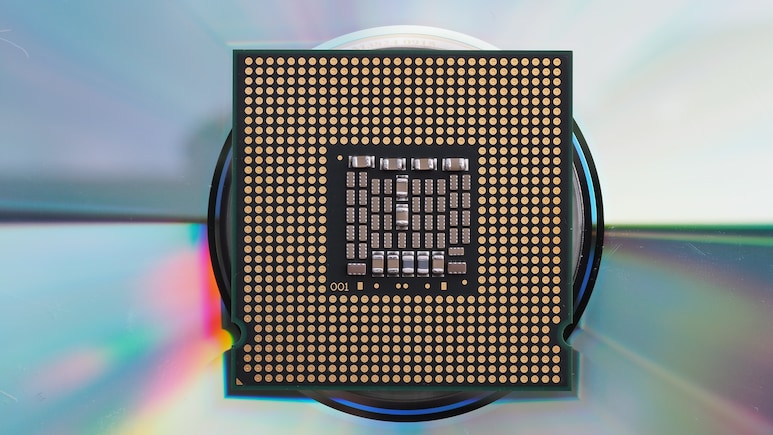
Delhi has entered the semiconductor race, with the government drafting a policy to build capacity in chip design, research and related segments, while aiming to create jobs and attract investment.
Delhi Joins India's Chip Push
The proposed 'Delhi Semiconductor Policy' is being aligned with the Centre's India Semiconductor Mission, officials said, as India looks to reduce dependence on imports and strengthen its position in global supply chains.
Chief Minister Rekha Gupta said semiconductors underpin sectors from consumer electronics to defence and artificial intelligence. "Delhi is working on a structured and forward-looking framework that promotes innovation, ease of doing business and a robust industry ecosystem," she said.
Why This Matters
Semiconductors power everything from mobile phones and cars to hospitals, transport systems and satellites, making them critical to modern economies.
Global disruptions, especially during the COVID-19 pandemic, exposed vulnerabilities in supply chains, with shortages affecting over 169 industries and underscoring reliance on a handful of countries such as Taiwan, South Korea, Japan, China and the United States.
Focus On Design, Not Fabs
Unlike states pushing for fabrication units, Delhi is expected to build on its existing base in design, research and talent.
Officials said the policy will cover semiconductor design and intellectual property, research and innovation, and manufacturing-linked segments such as Assembly, Testing, Marking and Packaging (ATMP) and Outsourced Semiconductor Assembly and Testing (OSAT), along with support for startups. The plan is to attract fabless companies, startups and global firms looking to expand in India.
Incentives On The Table
A mix of financial and non-financial incentives, including capital subsidies, infrastructure support and steps to reduce operational costs, is under consideration, officials familiar with the matter said.
The policy is expected to align with the India Semiconductor Mission to avoid overlap and improve investor confidence.
Jobs And Skills Push
The government expects demand to grow for roles in chip design, semiconductor research and advanced packaging.
"We are focusing on skilling, industry-academia partnerships, and targeted training programmes to create a future-ready workforce," Ms Gupta said.
Part Of A Larger Plan
She also referred to Prime Minister Narendra Modi's Atmanirbhar Bharat push, linking semiconductors to economic resilience and national security.
India is targeting to meet 70-75 per cent of its semiconductor demand domestically by 2029, with states increasingly stepping in to build capabilities across the value chain, a space Delhi is now looking to enter.
Track Latest News Live on NDTV.com and get news updates from India and around the world

