





As Prime Minister Narendra Modi completes 12 years in office on June 9, the government's infrastructure record is emerging as one of the key pillars of its development narrative.
While the first decade focused on expanding highways, modernising railways, boosting digital infrastructure and improving last mile connectivity, the third term has witnessed an unprecedented pace of approvals across sectors.
Official data accessed by NDTV shows that since the beginning of NDA 3.0, infrastructure projects worth more than Rs 25 lakh crore have either been approved or received cabinet clearance across railways, highways, housing, metro rail, ports, airports, energy and industrial development.
The approvals underline the government's attempt to position infrastructure creation as the backbone of its Viksit Bharat vision while simultaneously driving employment generation, logistics efficiency and economic growth.
Among the biggest beneficiaries has been the housing sector.
The Centre has approved an allocation of Rs 5.36 lakh crore under Pradhan Mantri Awas Yojana, making it one of the largest spending commitments announced during the government's third term. The move is aimed at accelerating affordable housing construction and fulfilling the government's promise of housing support for millions of families.
Road and rail infrastructure continue to dominate the investment landscape.
A total of 57 railway projects worth Rs 2.59 lakh crore have been approved under NDA 3.0. The projects range from new lines and multi tracking corridors to capacity enhancement works aimed at reducing congestion and improving freight movement. Rail expansion remains central to the government's strategy of lowering logistics costs and integrating economic corridors across the country.
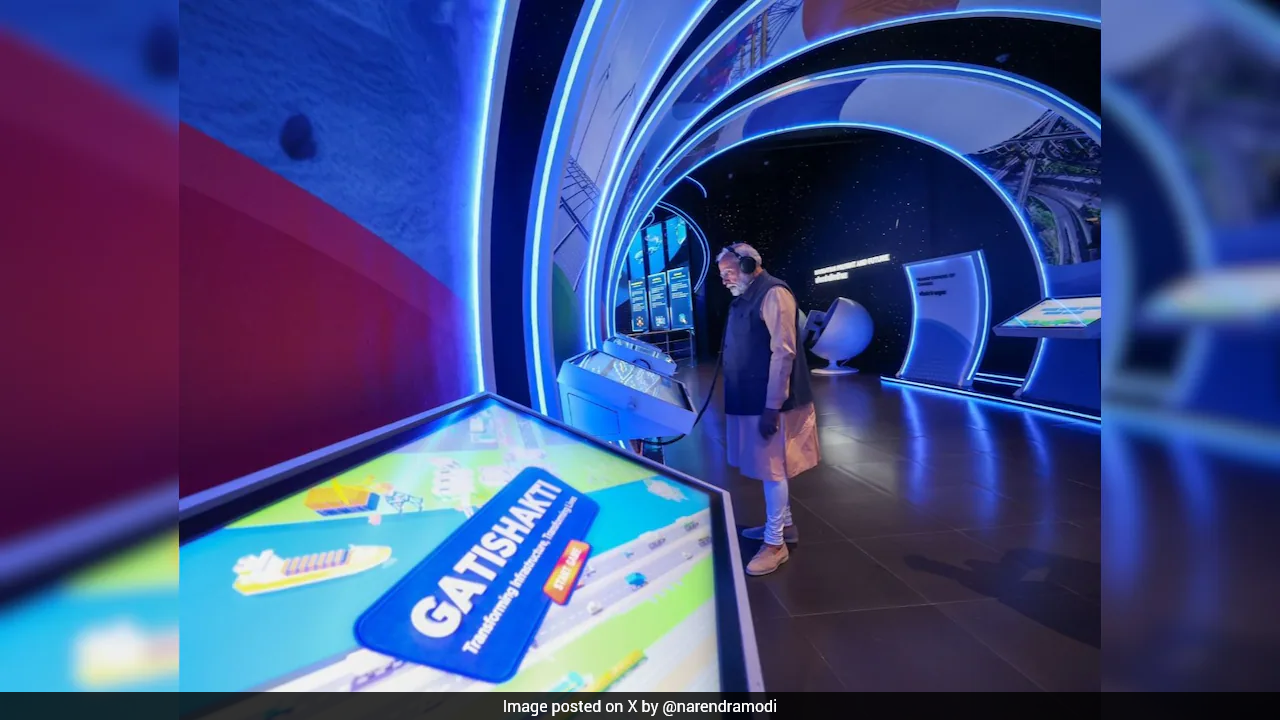
The highways sector has received an even larger push, with 35 projects worth Rs 3.62 lakh crore cleared so far. These projects are expected to strengthen connectivity between manufacturing hubs, ports and urban centres while supporting the larger PM Gati Shakti framework.
Urban mobility has also emerged as a major focus area.
Eleven metro rail projects with a combined investment of Rs 1.44 lakh crore have received approval. The Centre sees metro expansion as critical for addressing congestion in rapidly growing cities and reducing dependence on road transport.
The government's industrial strategy is reflected in approvals for 12 industrial smart cities and industrial parks involving investments of over Rs 62,000 crore. These projects are designed to create manufacturing ecosystems, attract investments and generate jobs in line with India's ambition of becoming a global manufacturing hub.
In the energy sector, the Centre has approved hydro projects and related budgetary support worth Rs 71,193 crore. Additionally, a Rs 37,500 crore coal gasification scheme has been cleared to enhance energy security and reduce dependence on imported fuels.
Regional connectivity remains another major priority. Five new airports along with the modified UDAN scheme have received approvals worth nearly Rs 38,000 crore. The government believes expanding aviation infrastructure will improve access to remote regions while supporting tourism and local economic activity.
Maritime infrastructure has also figured prominently in the government's plans. Projects involving a major port, ship repair facilities and shipping sector reforms worth more than Rs 1.6 lakh crore have been approved. These initiatives are expected to strengthen India's position in global trade and improve the efficiency of logistics networks.
Even niche connectivity projects have found space in the government's infrastructure agenda. Two ropeway projects worth Rs 6,811 crore have been sanctioned to improve access in difficult terrain and boost tourism potential.
The scale of approvals is likely to feature prominently in the government's outreach campaign marking 12 years of the Modi administration. The BJP and NDA are expected to highlight infrastructure creation as evidence of continuity in governance and long term planning as the government approaches the halfway mark of its third consecutive term.
While implementation timelines and project execution will ultimately determine the impact on the ground, the volume of approvals signals that infrastructure remains at the heart of the Modi government's economic and political strategy.
Track Latest News Live on NDTV.com and get news updates from India and around the world

