





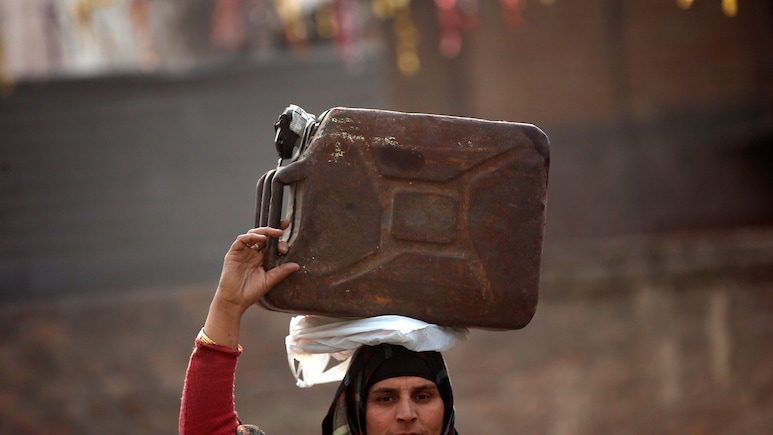
- The Centre has opened an emergency window for kerosene distribution across India via select petrol pumps
- The decision comes amid the ongoing Iran war disrupting global energy supplies
- Up to two petrol pumps per district can be designated to sell kerosene
The Centre has opened an emergency window for kerosene distribution across India via select petrol pumps. In a notification issued on March 29, the Ministry of Petroleum and Natural Gas allowed ad-hoc allocation of Public Distribution System (PDS) Superior Kerosene Oil (SKO) to all States and Union Territories, including 21 that had become "PDS SKO-free".
The decision comes amid the ongoing Iran war disrupting global energy supplies and raising concerns over access to essential fuels for households. The order takes immediate effect and will remain valid for 60 days, or until further orders.
All About New Government Order
At the core of the notification is a temporary relaxation of petroleum storage and licensing rules to enable faster, last-mile delivery of kerosene for cooking.
Under the order:
- Up to two petrol pumps per district can be designated to sell kerosene
- Each such outlet can store up to 5,000 litres of PDS SKO
- These outlets will be preferably company-owned, company-operated (COCO) pumps of PSU oil marketing companies
- Kerosene can be stocked and dispensed from existing service stations licensed under Form XIV of the Petroleum Rules, 2002
- Certain licensing requirements for dealers and tank vehicles have been relaxed to speed up decanting and transport
- These relaxations have been granted by invoking Section 12 of the Petroleum Act, 1934, based on recommendations of the Petroleum and Explosives Safety Organisation (PESO).
Where Kerosene Had Been Phased Out
Over the past decade, many states reduced or eliminated kerosene allocations as LPG penetration increased. The Centre's annexure lists 21 such states and UTs where regular PDS kerosene supply had stopped. These include:
- States/UTs now eligible for ad-hoc SKO allocation
- Delhi, Haryana, Punjab, Rajasthan, Uttar Pradesh
- Gujarat, Madhya Pradesh, Uttarakhand, Himachal Pradesh
- Andhra Pradesh, Telangana, Goa
- Jammu & Kashmir, Ladakh
- Andaman & Nicobar Islands, Lakshadweep
- Chandigarh, Puducherry
- Dadra & Nagar Haveli and Daman & Diu
- Nagaland, Sikkim
Safety Rules Still Apply
While licensing norms have been relaxed, safety norms have not. The notification makes it clear that:
- All handling and operational guidelines issued by PESO must be followed
- Detailed records of storage, decanting and distribution must be maintained
- District authorities and PESO officials can inspect designated outlets
- The kerosene can be sold only for cooking and lighting purposes
Why This Decision Now
The notification repeatedly says the "prevailing geo-political situation affecting energy supplies worldwide". The move comes as India grapples with surging crude oil prices amid the Iran war. The government has already cut excise duties on petrol and diesel to shield consumers, a step brokerages estimate could cost the exchequer between Rs 1.6 lakh crore and Rs 1.8 lakh crore, or about 0.4-0.5 percentage of GDP in FY27.
In parallel, the government appears to be preparing for scenarios where LPG availability, affordability, or supply chains may come under strain if global energy disruptions worsen.
Allowing kerosene back into the retail fuel network provides a fallback fuel for households, particularly in semi-urban and rural pockets where LPG refills may become expensive or delayed.
Return Of The Old Fuel
Kerosene was once the backbone of household energy for cooking and lighting in India. Its gradual phase-out was seen as a success of LPG penetration and electrification.
This notification does not reverse that policy, but it creates a temporary, emergency channel using India's vast petrol pump network for distribution - something that did not exist when kerosene was primarily routed through ration shops.
For the next 60 days, at least, kerosene will be available again in parts of India where it had disappeared from the public distribution system - this time, from selected fuel stations instead of fair price shops.
Track Latest News Live on NDTV.com and get news updates from India and around the world

