





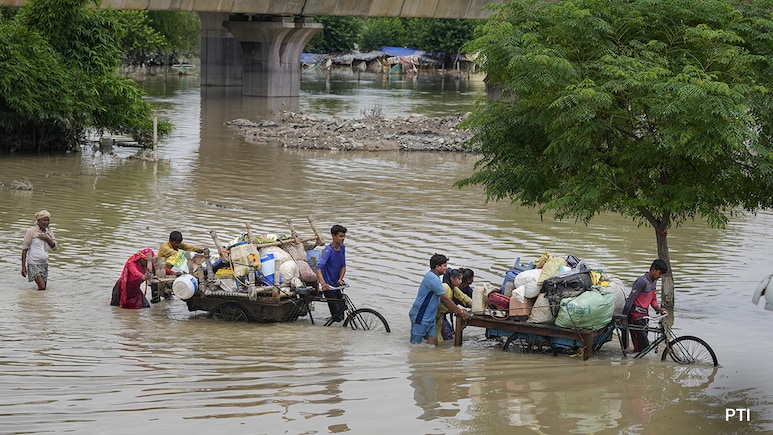
As monsoon activity gathers pace, the Delhi government has activated a city-wide flood preparedness mechanism, including a 24x7 control room, district-level relief arrangements and a three-tier warning system for the Yamuna, in a bid to prevent a repeat of the devastating floods that disrupted life across the capital in 2023.
The measures form part of the Flood Control Order 2026, under which authorities have put vulnerable embankments, pumping stations and flood-prone areas under heightened surveillance for the duration of the monsoon season.
The flood-management framework will remain in force from June 15 to October 15, covering the period when Delhi typically faces the highest risk of flooding and severe waterlogging.
24x7 Flood Control Room Activated Till October
According to the order, a 24x7 Central Flood Control Room has been activated to monitor river levels, coordinate emergency responses and facilitate communication among multiple agencies.
The government has also constituted a high-level Apex Committee, chaired by Chief Minister Rekha Gupta, to oversee flood preparedness and review the response mechanism during the monsoon.
Across all 13 districts, authorities have been directed to keep sector committees, district control rooms and relief camps ready for any emergency arising from flooding or heavy rainfall.
Officials said arrangements have been made to ensure the availability of emergency shelter, food, drinking water and other essential supplies if evacuations become necessary.
Why Delhi Is Taking No Chances This Monsoon
The extensive preparations come nearly three years after the July 2023 Yamuna floods, one of the worst flood situations witnessed in the capital in decades.
As the Yamuna breached danger levels and reached a record high, water entered several low-lying neighbourhoods, disrupted traffic movement and affected key infrastructure. Thousands of residents were evacuated from vulnerable areas and shifted to relief camps as authorities struggled to manage the crisis.
The floods exposed gaps in coordination, preparedness and emergency response systems, prompting calls for stronger monitoring and early-warning mechanisms.
Officials say this year's strategy has been designed around lessons learnt from that crisis.
Three-Tier Warning System For Yamuna, Najafgarh Drain
A three-tier warning system has been put in place for the Yamuna River and the Najafgarh Drain, Delhi's two most critical flood-monitoring zones.
The system is intended to provide advance alerts as water levels rise, enabling authorities to begin evacuation and response measures before the situation escalates.
Officials said the warning mechanism will help improve coordination between district administrations, flood-control authorities and emergency response teams during periods of high river discharge.
Over 20 Vulnerable Embankments Under Watch
More than 20 vulnerable embankments and pumping stations have been identified for special monitoring during the monsoon season.
Authorities have been directed to conduct regular inspections, maintain pumping infrastructure and ensure flood-control equipment remains operational throughout the period of heightened alert.
The objective is to identify risks early and prevent breaches or failures that could worsen flooding in nearby areas.
Civic Agencies Told To Prevent Waterlogging
Apart from flood management, authorities are also focusing on one of Delhi's most persistent monsoon challenges - urban waterlogging.
The Municipal Corporation of Delhi (MCD), Public Works Department (PWD), Delhi Development Authority (DDA) and Delhi Jal Board (DJB) have been instructed to intensify drain-cleaning operations and take preventive measures at identified waterlogging hotspots.
The focus is on ensuring stormwater drains remain functional and minimising disruptions on key roads, residential colonies, markets and commercial districts during heavy rainfall.
Army Assistance, Additional Boats On Standby
The flood-control plan also provides for the deployment of additional resources if conditions worsen.
Authorities can seek Army assistance and additional boats for rescue and relief operations in the event of severe flooding, large-scale evacuations or emergencies in low-lying areas along the Yamuna.
Officials said inter-agency coordination protocols have been put in place to ensure faster deployment of resources whenever required.
Helpline Numbers For Residents
Residents can report flooding, waterlogging and other emergencies through the following helplines:
Waterlogging Helpline: 1800-11-0093
Disaster Management Helpline: 1077
Authorities have urged residents living in vulnerable and low-lying areas to stay alert to official advisories during periods of heavy rainfall.
Lessons From 2023 Floods Shape This Year's Plan
Delhi's latest flood-preparedness push reflects the lessons learnt from the unprecedented flooding witnessed in 2023, when rising Yamuna waters inundated several parts of the city, disrupted transportation networks and forced large-scale evacuations.
This year, the government is banking on tighter monitoring, faster warning systems, district-level preparedness and improved coordination between agencies to mitigate the impact of flooding and waterlogging.
Track Latest News Live on NDTV.com and get news updates from India and around the world

