

)
World Immunization Week is observed every year from April 24 to April 30. The event aims to promote the usage of vaccines to protect people of all ages against vaccine-preventable diseases. Vaccines are one of the most powerful tools in public health, says the World Health Organization (WHO). Over the past 50 years, vaccines have saved more than 150 million lives from diseases like measles, diphtheria, pertussis, polio, and rotavirus. WHO says, "Today, newer vaccines against malaria, HPV, cholera, dengue, meningitis, RSV, Ebola, and Mpox are saving even more lives, and helping people at every stage of life."
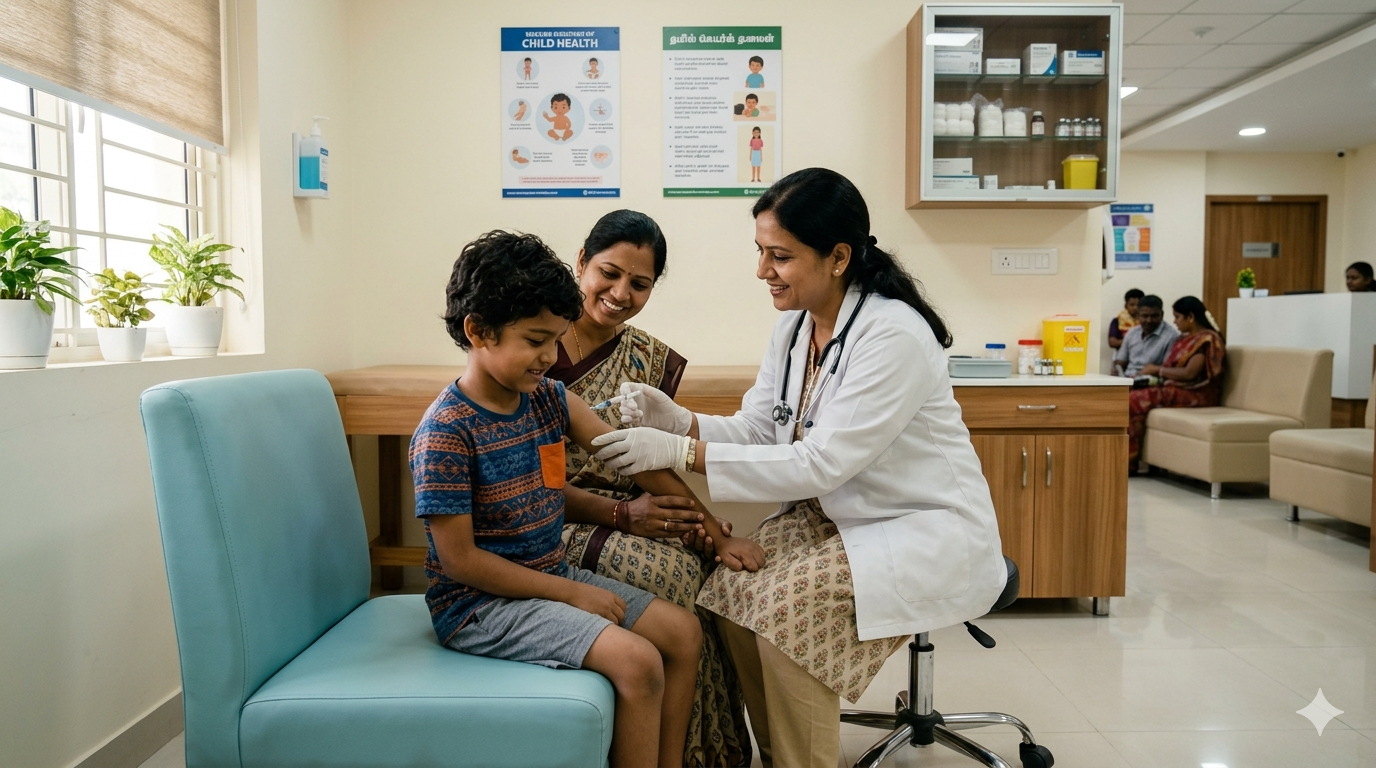
Vaccines are known to be highly beneficial and can protect individuals from several diseases. However, a lot of people tend to have fever after getting a vaccine. While most people think that the vaccine is making them sick, it is not true. Speaking to NDTV, Dr. Amit Prakash Singh, Consultant - Internal Medicine at the CK Birla, Delhi, shared why some people have fever after getting a vaccine. He said, "It is entirely normal and a very common reaction to have a fever after receiving a vaccination. However, not every individual will have a fever, and that is also very common. Whether or not you have a fever doesn't tell you if the vaccine is effective; it simply tells you how your individual immune system will react to the vaccination."
What Causes Fever After Vaccination?
Several factors can cause fever after vaccination. When the vaccine is injected into your body, an inactive part of the germ is introduced to the body's immune system. The immune system reacts to the inactive part of the germ by activating its immune response and increasing the production of antibodies. Cytokines are produced by the immune cells during this response. Cytokines help to stimulate the immune cells to produce enough antibodies and build enough protection, and as a result of producing cytokines, your body will also temporarily increase its body temperature, which can cause fever. In some people, this reaction is more significant than for others and may lead to symptoms such as fever, fatigue, and body aches.
Why Do Responses Differ From One Person To Another?
Responses of the immune system are very different in every person. Some people have 'louder' responses, including visible signs of their reaction, such as fever. On the other hand, some people have quieter responses, so they may not show visible signs of an immune response. However, the immune system will create the same magnitude of response regardless of whether you see symptoms or not.
Role Of Age And Past Exposure
Your age can also influence how your immune system responds. For example, younger individuals tend to have more robust and reactive immune systems than older individuals, which may lead to a greater chance of experiencing symptoms after receiving a vaccine. Conversely, older individuals tend to have less reactive immune systems, so they may have less severe reactions. If your body has already been exposed to a germ through infection or vaccination, you will typically generate an immune response more efficiently and smoothly, which reduces the chance of experiencing other symptoms, such as fever.
Fever Is Not A Measure Of Protection
When considering the way in which people respond to bugs being bitten, there is a wide variety of responses from individuals. Some will develop swelling, some will develop redness or irritation, or even have no physical response at all. Yet regardless of how severe or minor the physical response, an immune response will still be generated.
"Having high temperature/fever following a vaccination is just one possible sign that your body's immune system is working; it is not a 'must have' to guarantee that you are immunised. Whether you have a high temperature/fever or not, the immune response still provides effective immunity," said Dr. Singh.
Disclaimer: This content including advice provides generic information only. It is in no way a substitute for a qualified medical opinion. Always consult a specialist or your own doctor for more information. NDTV does not claim responsibility for this information.