

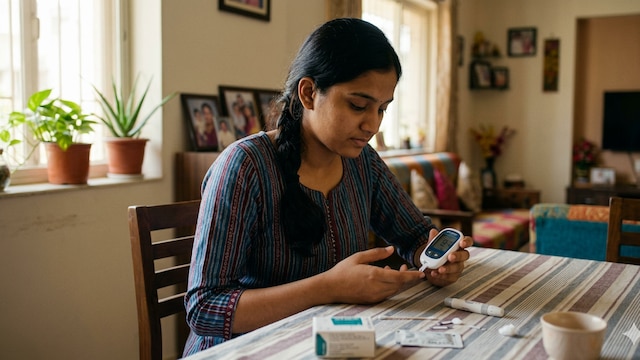
Insulin resistance occurs when the body's cells become less responsive to insulin, a hormone that helps regulate blood sugar levels. In healthy individuals, insulin facilitates the uptake of glucose into cells, providing them with energy. However, when insulin resistance develops, glucose remains in the bloodstream, leading to elevated blood sugar levels. This condition is often associated with excess weight, physical inactivity, and genetic factors.
In women, this condition acts as a foundational trigger for broad hormonal, reproductive, and cardiovascular disruptions rather than just a precursor to type 2 diabetes.
How insulin resistance affects women
Women can experience unique challenges with insulin resistance, particularly during phases such as pregnancy or menopause. Conditions like polycystic ovary syndrome (PCOS) are closely linked to insulin resistance and can lead to hormonal imbalances, weight gain, and fertility issues. Additionally, women may show different symptoms than men and can be at a higher risk for cardiovascular disease as a result of insulin resistance. Insulin resistance alters lipid panels, driving up dangerous triglycerides and lowering HDL cholesterol. This significantly increases the risk for heart disease, particularly in older ages. Hormonal fluctuations can also exacerbate insulin sensitivity issues, making management more complex.
Risk factors for women
A woman's risk of developing insulin resistance is driven by a combination of hormonal changes, lifestyle choices, and genetics:
- Polycystic Ovary Syndrome (PCOS): PCOS or PMOS is intrinsically tied to insulin resistance, trapping women in a cycle of metabolic and hormonal imbalance.
- Menopause and ageing: The steep drop in estrogen during perimenopause and menopause changes how the body distributes fat. Women lose muscle mass and rapidly accumulate visceral abdominal fat, which acts as a primary driver of insulin resistance.
- Pregnancy: A history of gestational diabetes mellitus (GDM) indicates that the pancreas struggled under metabolic stress. Women with a history of GDM are at significantly increased risk of developing insulin dysfunction and type 2 diabetes for over 35 years following childbirth.
- Lifestyle factors: Diets high in refined carbohydrates and sugar, chronic sleep deprivation, and a sedentary lifestyle all desensitise cells to insulin
Major warning signs of insulin resistance in women
Some common warning signs of insulin resistance include:
- Increased hunger
- Fatigue
- Difficulty concentrating
- Weight gain, particularly around the abdomen
- High blood pressure
- Dark patches of skin (acanthosis nigricans), especially in the armpits or neck
- Elevated blood sugar or triglyceride levels
Why it shouldn't be ignored
Insulin resistance can be a precursor to more serious health issues such as type 2 diabetes, heart disease, and even certain types of cancer. If left unaddressed, it can lead to metabolic syndrome, which encompasses a cluster of conditions including high blood pressure, high blood sugar, excess body fat around the waist, and abnormal cholesterol levels. Managing insulin resistance early is crucial to preventing these complications and improving overall health.
When to see a doctor
If you experience several of these symptoms or have risk factors such as obesity, a sedentary lifestyle, or a family history of diabetes, it's important to consult a healthcare provider. Early testing for blood sugar levels and insulin sensitivity could help in management and potentially prevent the progression to more serious health conditions. Regular check-ups and conversations about metabolic health are crucial in effectively addressing insulin resistance.
Disclaimer: This content including advice provides generic information only. It is in no way a substitute for a qualified medical opinion. Always consult a specialist or your own doctor for more information. NDTV does not claim responsibility for this information.