

)
A girl's first menstrual period, or menarche, is an important milestone that marks the beginning of her reproductive years. While mild cramps and discomfort are common as the body adjusts to hormonal changes, doctors say severe pain during the first few periods is not something parents should ignore. If menstrual pain is intense enough to disrupt school, sleep, or daily activities, it could signal an underlying health condition that requires medical attention. Experts emphasise that early evaluation can not only relieve symptoms but also help diagnose conditions that may affect a girl's long-term reproductive health.
Mild Cramps Are Common, But Severe Pain Isn't
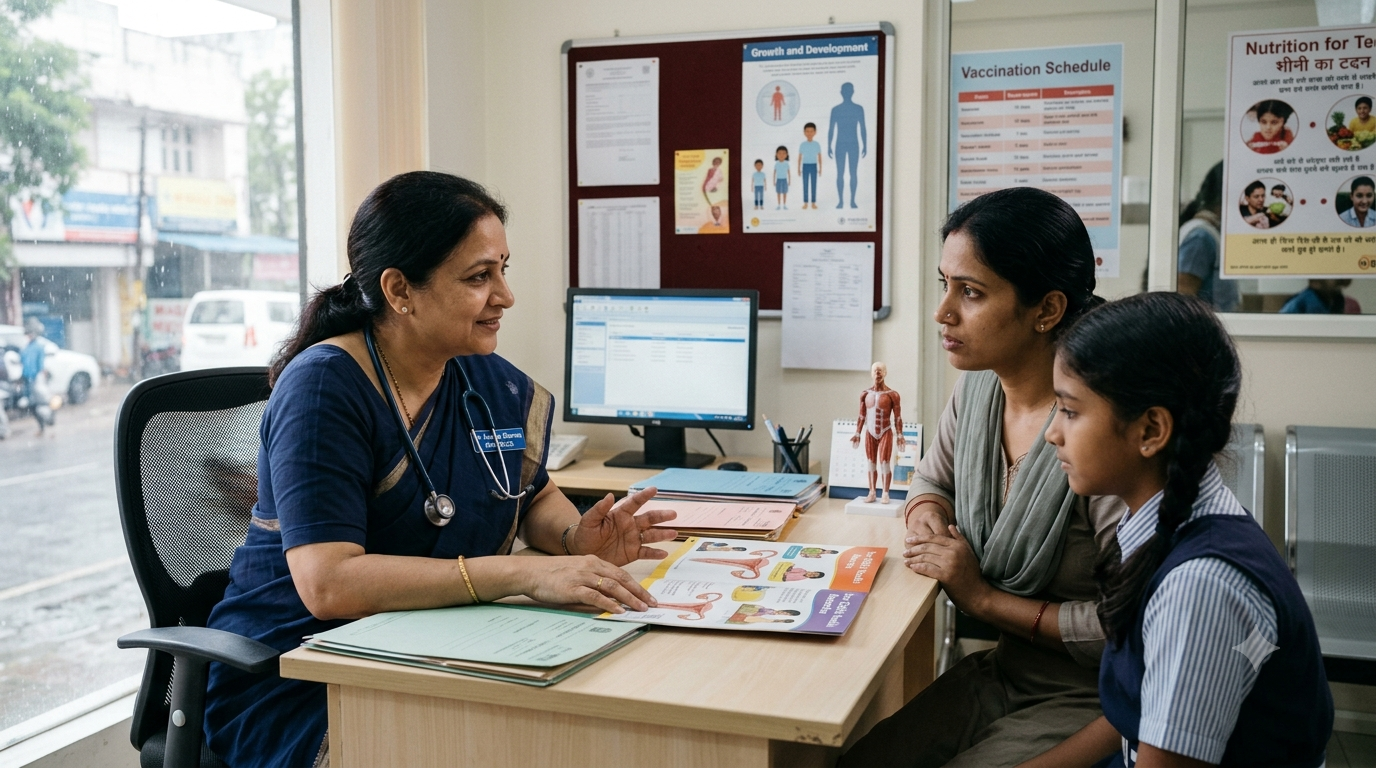
According to Dr. Anjana Singh, Director, Obstetrics and Gynaecology, Fortis Hospital, Noida, mild abdominal cramps are expected during the initial menstrual cycles. However, parents should seek medical advice if their child experiences severe pain from the very beginning. "If your child is unable to attend school, vomits, faints, or requires repeated pain medication during her very first periods, it warrants a medical evaluation," she says.
Similarly, Dr. Namrata Seth, Senior Consultant, Obstetrics and Gynaecology, Amrita Hospital, Faridabad, notes that while some discomfort is normal, pain that interferes with everyday life should never be dismissed as simply "part of growing up."
Also read: Stop Normalising Severe Period Pain: Expert Shares Warning Signs Women Must Not Ignore
What Causes Painful Periods?
Primary Dysmenorrhea
The most common reason behind painful periods in adolescents is primary dysmenorrhea. This occurs due to the release of prostaglandins, hormone-like chemicals that cause the uterus to contract during menstruation. Stronger contractions can temporarily reduce blood flow to the uterus, leading to cramps and discomfort. Fortunately, this condition is usually manageable with:
- Anti-inflammatory medications (as advised by a doctor)
- Heat therapy, such as a warm heating pad
- Regular physical activity
- Adequate hydration
- Reassurance and emotional support
When Could Pain Signal Something More Serious?
Doctors caution that severe pain beginning with the very first menstrual cycle may sometimes point to an underlying medical condition.
Congenital Abnormalities
Certain girls are born with structural abnormalities of the reproductive tract that block menstrual flow. Examples include:
- Imperforate hymen
- Transverse vaginal septum
These conditions can cause significant pelvic pain because menstrual blood cannot exit the body normally.
Endometriosis
Although commonly associated with adult women, endometriosis can also develop during adolescence. This condition occurs when tissue similar to the lining of the uterus grows outside the uterus, leading to:
- Severe menstrual cramps
- Progressive pelvic pain
- Pain that does not improve with routine treatment
Early diagnosis is important because untreated endometriosis may affect future fertility and quality of life.
Warning Signs Parents Shouldn't Ignore
Experts recommend consulting a doctor if periods are accompanied by:
- Severe pelvic pain
- Heavy menstrual bleeding
- Vomiting
- Fainting
- Fever
- Painful urination
- Pain during bowel movements
Symptoms that interfere with school, sports, sleep, or everyday activities. These symptoms warrant further medical evaluation rather than simple pain relief.
Also read: Why Is Period Pain Worse On The First Day? 4 Reasons Behind Day 1 Cramps
How Is The Cause Diagnosed?
According to Dr. Anjana Singh, most girls can be evaluated with:
- A detailed medical history
- Physical examination (when appropriate)
- Pelvic ultrasound
These investigations are often sufficient to identify common underlying causes of severe menstrual pain.
Early Treatment Can Protect Future Health
The good news is that most causes of painful periods can be managed effectively once diagnosed. Dr. Namrata Seth stresses that parents should create a supportive environment where daughters feel comfortable discussing menstrual symptoms without embarrassment.
She explains that some adolescent girls may experience severe menstrual pain as an early sign of endometriosis or congenital reproductive tract abnormalities, making timely medical assessment essential. Some cramping during a girl's first few periods is perfectly normal. However, severe pain that causes vomiting, fainting, missed school, excessive bleeding, or interferes with daily life should never be ignored. Doctors advise parents to listen carefully to their daughters, avoid normalising severe menstrual pain, and seek timely medical evaluation. Early diagnosis and treatment can greatly improve quality of life while protecting long-term reproductive health.
Disclaimer: This content including advice provides generic information only. It is in no way a substitute for a qualified medical opinion. Always consult a specialist or your own doctor for more information. NDTV does not claim responsibility for this information.