

)
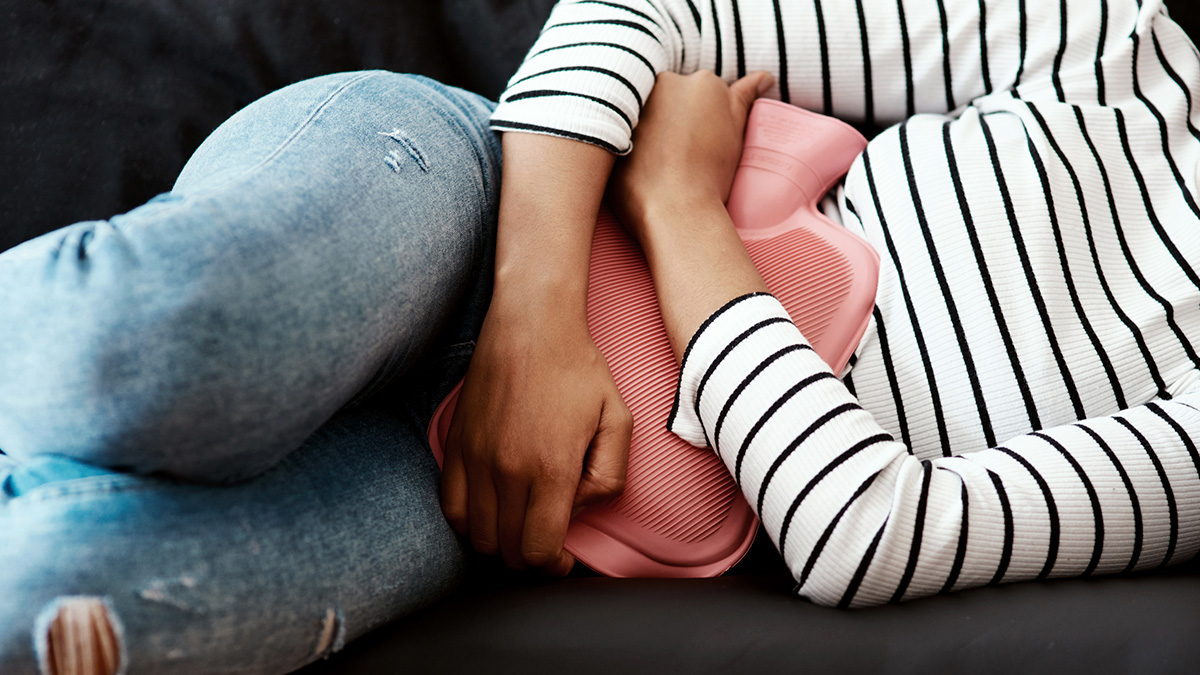
Menstrual cramps are often seen as a normal part of periods, but when the pain becomes intense enough to interfere with everyday life, it shouldn't simply be accepted as “normal,” says health coach Luke Coutinho. According to him, severe and ongoing menstrual pain could point to a more serious condition known as secondary dysmenorrhea.
He explains that certain warning signs should not be ignored. These include cramps so severe that a woman becomes bedridden, misses school or work, or needs medication every month just to cope. Pain that becomes worse over time or appears even when a person is not menstruating is another red flag. Luke stresses that such symptoms deserve medical attention instead of being hidden with painkillers.
Primary vs Secondary Dysmenorrhea
Menstrual pain is usually divided into two types. The most common form of menstrual pain is known as primary dysmenorrhea. Primary dysmenorrhea is usually not caused by anything. It is usually treated by medication and lifestyle changes. It is usually caused by prostaglandins, hormone-like chemicals that cause contractions in the uterus.
Unlike primary dysmenorrhea, secondary dysmenorrhea is usually caused by other medical problems. It is usually severe, gets worse over time, and is usually accompanied by other symptoms, including heavy bleeding, tiredness, pelvic pain outside of menstruation, and discomfort when having bowel movements or sexual activity.
Endometriosis: A Leading Cause
Endometriosis, a disorder in which tissue resembling the lining of the uterus grows outside the uterus, is one of the most common causes of secondary dysmenorrhea in teenagers. It affects approximately 10% of women who are of reproductive age. In India, statistics suggest approximately 42 million women may be living with this illness.
Research suggests that between 30 and 70% of children with persistent pelvic pain may have endometriosis. The disorder is still underdiagnosed despite its prevalence, in part because severe cramps are often shrugged off as normal menstrual pain.
Fibroids and Changing Risk Factors
Another potential reason is uterine fibroids, benign growths in the uterus that affect 20 to 40% of Indian women of reproductive age. Fibroids, which were previously believed to mostly affect women in their late 20s and early 30s, are now being found in younger people.
Luke mentions that modern environmental and lifestyle factors may be contributing to the shift. Hormonal irregularities have been associated with increased pollution exposure, ultra-processed foods, sedentary lifestyles, long-term stress, early puberty tendencies, and rising obesity rates.
Luke also looks into the effects of pesticide residues, air pollution particles like PM2.5, and endocrine-disrupting substances like phthalates in plastics and cosmetics. These drugs can imitate oestrogen in the body and cause inflammation, which may raise the risk of conditions including fibroids and endometriosis.
Check the full post here:
Why Painkillers Are Not the Solution
Luke also recommends that people avoid using non-steroidal anti-inflammatory medicines such as Ibuprofen for long-term treatment, although they may give some short-term relief. Long-term use could cause gastrointestinal problems, kidney problems, stomach problems, ulcers, and high blood pressure. More alarmingly, these medicines could also mask medical problems.
Importance of Early Treatment
Luke suggests seeking medical attention if period discomfort persists or gets worse. A non-invasive sonography or ultrasound is often employed for the initial screening, and if needed, a gynaecologist appointment comes next.
Complications, including the development of scar tissue, anaemia from severe bleeding, and even problems with fertility, can be avoided with early detection. “Protect girls not by toughening her, but by believing her,” Luke says.
Disclaimer: This content including advice provides generic information only. It is in no way a substitute for a qualified medical opinion. Always consult a specialist or your own doctor for more information. NDTV does not claim responsibility for this information.