

)
The wellness and aesthetic industry is witnessing a major shift in how people approach weight management and body transformation. Instead of chasing rapid "slimming" solutions promising dramatic short-term results, consumers are increasingly seeking sustainable, science-backed, and medically supervised approaches that support long-term wellness. According to Dr. Mahesh Burshe, Chief R&D Officer at VLCC Ltd, this evolution reflects changing consumer awareness around health, body confidence, and preventive care. "Weight management solutions are increasingly transitioning from short-term 'slimming' approaches toward more holistic models centred on body confidence, metabolic fitness, and long-term wellness," he explains.
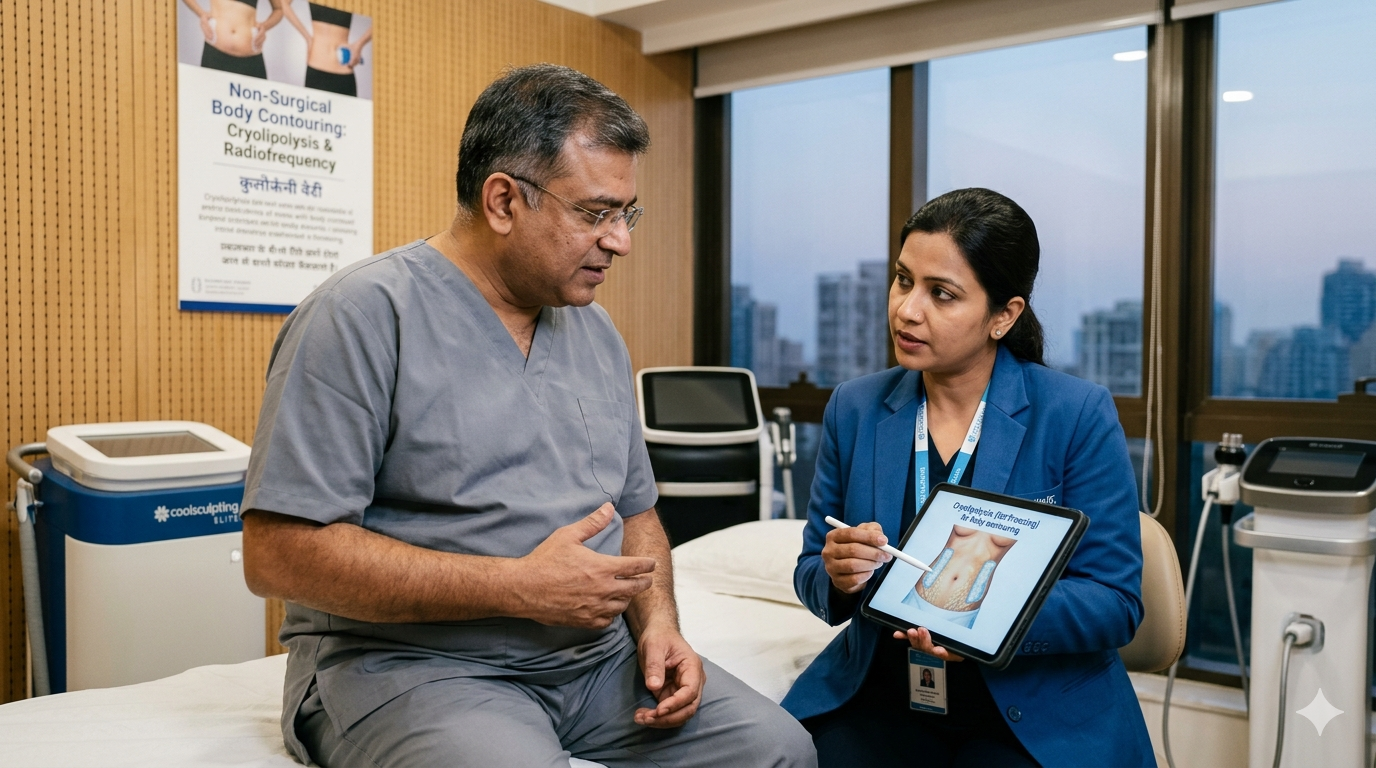
The rise of non-invasive body contouring technologies, including cryolipolysis, radiofrequency treatments, ultrasound therapies, muscle stimulation devices, and skin-tightening procedures, is reshaping the wellness landscape globally. These treatments are gaining popularity because they offer targeted fat reduction and body sculpting with minimal downtime and lower risks compared to surgical procedures.
Experts say this trend is not merely cosmetic. It reflects a broader cultural movement toward healthier self-image, personalised wellness, and preventive healthcare in the post-pandemic era.
Why Consumers Are Moving Away From "Quick Fix" Slimming
Crash diets, extreme calorie restriction, unregulated slimming products, and aggressive weight-loss methods have long been criticised by medical experts for producing unsustainable outcomes and potential health risks. Sustainable weight management should focus on balanced nutrition, regular physical activity, behavioural changes, and long-term health improvement rather than rapid weight loss alone.
Dr. Burshe says modern consumers are becoming "more informed, discerning, and cautious in their decision-making," with greater preference for "medically supervised, personalized, and evidence-based interventions over temporary or extreme solutions."
This change is also linked to growing awareness about metabolic health. Studies show that obesity and excess visceral fat are associated with increased risks of cardiovascular disease, diabetes, fatty liver disease, and certain cancers. However, experts increasingly stress that wellness is not defined solely by body weight. Instead, body composition, muscle mass, metabolic fitness, energy levels, and mental well-being are becoming central to modern health goals.
What Is Non-Invasive Body Contouring?
Non-invasive body contouring refers to aesthetic procedures that aim to reduce localised fat deposits, improve skin firmness, and reshape body areas without surgery or significant recovery time.
Popular technologies include:
- Cryolipolysis (fat freezing)
- Radiofrequency-based contouring
- High-intensity focused ultrasound
- Electrical muscle stimulation
- Laser-assisted fat reduction
- Skin-tightening procedures
- Galvanic and lymphatic drainage therapies
Many non-invasive contouring technologies can achieve moderate fat reduction and body shaping improvements when combined with healthy lifestyle practices. However, experts caution that these treatments are not substitutes for medical obesity treatment or healthy living. Instead, they are typically used for body sculpting and localised contouring.
Why These Treatments Are Becoming Popular
One major reason behind the growing demand is convenience. Unlike surgical liposuction or invasive cosmetic procedures, non-invasive contouring treatments generally involve minimal discomfort and little or no downtime.
Dr. Burshe notes that these procedures appeal strongly to "working professionals and younger demographics seeking treatments that integrate seamlessly into demanding lifestyles with minimal interruption to daily activities."
The post-pandemic focus on self-care and preventive health has also accelerated interest in wellness-oriented aesthetic treatments. A report by the International Society of Aesthetic Plastic Surgery (ISAPS) noted substantial global growth in non-surgical aesthetic procedures in recent years, particularly among younger adults seeking subtle, natural-looking enhancements.
The Link Between Appearance And Mental Well-Being
Health experts increasingly recognise that body image and emotional health are interconnected. Dr. Burshe highlights that "improvements in body composition and physical comfort frequently encourage healthier behavioural patterns, including better nutritional practices, regular physical activity, and long-term self-care adherence."
Studies published by the National Institutes of Health (NIH) have shown that positive body image and self-confidence can improve motivation for healthy lifestyle habits, while extreme appearance-related pressure can negatively affect mental health. This is partly why the wellness industry is gradually moving away from unrealistic beauty standards toward more balanced ideas of strength, vitality, and functional wellness.
Personalised Wellness Is Becoming The New Standard
Another major trend reshaping the industry is personalisation. "Consumers are steadily moving away from generic 'one-size-fits-all' programs and seeking individualized interventions tailored to body composition, lifestyle patterns, metabolic profiles, and personal wellness objectives," says Dr. Burshe.
Modern wellness programmes increasingly combine:
- Nutritional counselling
- Fitness planning
- Sleep and stress management
- Behavioural coaching
- Metabolic assessments
- Non-invasive aesthetic support
Research from the NIH suggests that personalised lifestyle interventions often improve long-term adherence and outcomes compared to generic weight-loss approaches. Experts also emphasise that body contouring works best when paired with healthy habits such as balanced eating, resistance training, adequate sleep, and stress reduction.
Are Non-Invasive Body Contouring Treatments Safe?
Most FDA-cleared non-invasive body contouring technologies are considered relatively safe when performed by trained professionals. Common side effects may include temporary redness, swelling, numbness, bruising, or mild discomfort.
However, experts warn against unrealistic expectations and unregulated clinics offering aggressive "instant fat-loss" claims. The American Academy of Dermatology advises consumers to consult qualified healthcare professionals, understand procedure limitations, and prioritise overall health rather than cosmetic outcomes alone.
The growing popularity of non-invasive body contouring reflects a larger transformation in the way people view health, beauty, and self-care. Instead of pursuing rapid slimming fixes, consumers are increasingly prioritising sustainable wellness, personalised care, and long-term metabolic health.
As Dr. Mahesh Burshe explains, this shift represents "a broader cultural and scientific evolution in the perception of wellness and self-care." Experts believe the future of wellness will continue moving toward integrated, evidence-based approaches that support physical confidence, emotional well-being, and healthy longevity rather than short-lived aesthetic trends.
Disclaimer: This content, including advice, provides generic information only. It is in no way a substitute for a qualified medical opinion. Always consult a specialist or your own doctor for more information. NDTV does not claim responsibility for this information.