

)
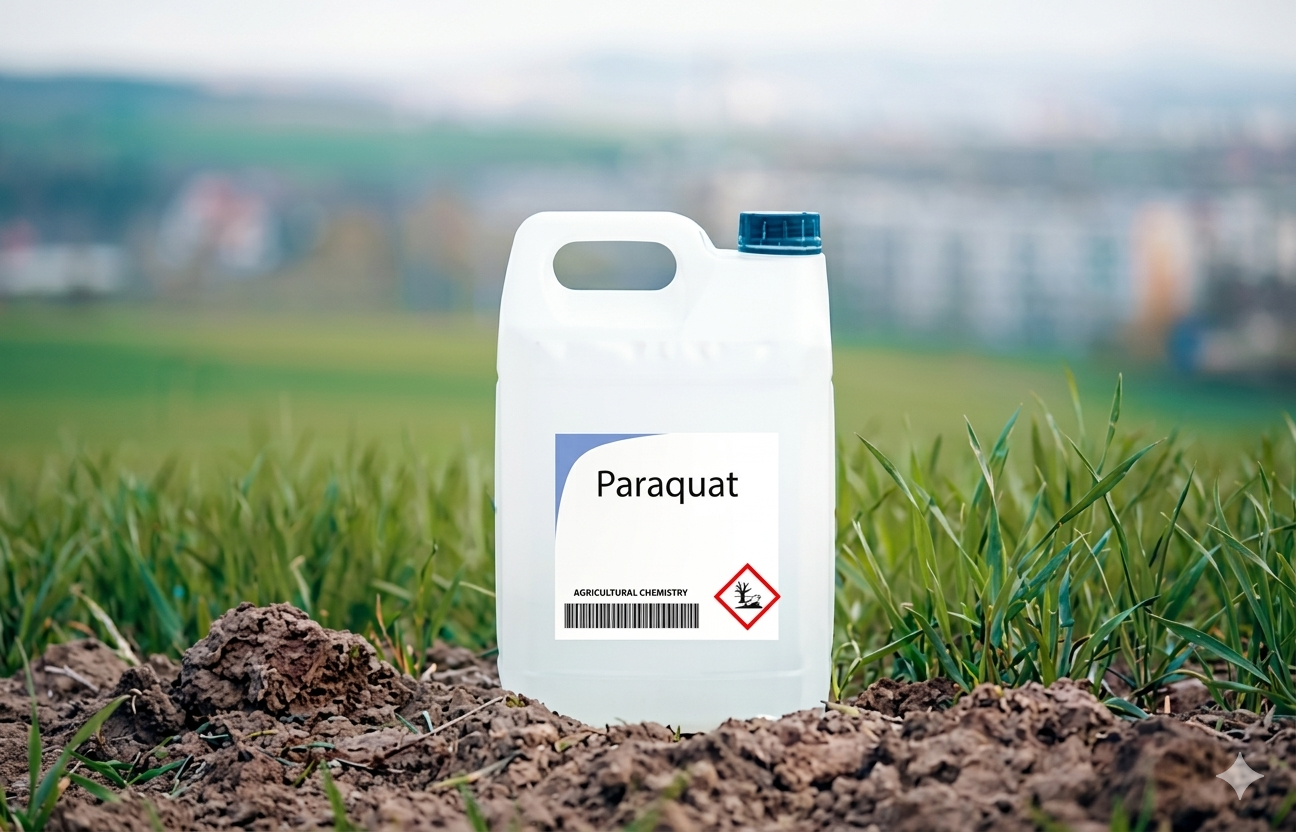
Paraquat is a herbicide that kills weeds in gardens upon contact, but it is also a toxic substance. There is no existing treatment for paraquat poisoning, but doctors can provide supportive care. The main concern regarding this herbicide being flagged in India is its use in Indian farms, which can increase exposure to the toxin. Fatal poisoning cases from paraquat exposure have led to doctors demanding a complete ban on its usage. The dangerous toxin has been banned in 74 countries, but it is still used in Indian farms and sprayed to control unwanted weeds. But the effect on physical health is ignored, as it is extremely toxic to humans. It is used in agricultural practices to quickly kill weeds and is commonly used in India due to its affordability and effectiveness. The danger from using paraquat arises when it is rapidly absorbed through ingestion or inhalation.
Why Is Paraquat Considered Extremely Dangerous?
Paraquat is classified as a dangerous toxin, as it poses significant health risks. Research published in the International Journal of Creative Thoughts details that paraquat causes severe oxidative damage affecting the lungs when inhaled and the kidneys and liver once it enters the body.
Even small ingestion can be fatal, which is why doctors demand a complete ban on its usage, as 74 countries all over the world have already done so.
How Paraquat Damages The Body
Research published in the Euro-Mediterranean Journal for Environmental Integration suggests that paraquat, when sprayed, can get aerosolised, which can make it settle in your lungs. Possible lung scarring is possible, which can make it a breathing issue. There is no widely effective antidote that can work on a case of paraquat poisoning.
Also Read: Why You Should Never Eat Lychee On An Empty Stomach: Doctors Explain Toxicity, Encephalitis Risks
Paraquat Poisoning Symptoms Doctors Want You To Know
If you are present on farms and come into contact with paraquat, then it can trigger early symptoms, which should signal you to take action. Here are the early symptoms that you need to know about:
Early symptoms include:
- Mouth ulcers
- Vomiting
- Abdominal pain
Severe symptoms can be the following:
- Respiratory distress
- Kidney failure
- Organ shutdown
Note: If you suspect that you may be experiencing paraquat poisoning symptoms, then you need to immediately seek medical help.
Also Read: You're Not Anti-Science For Questioning Your Supplements, Says Lifestyle Medicine Expert
Why Doctors Are Demanding A Paraquat Ban In India
Dr Y.K. Gupta, Former Head, Department of Pharmacology, AIIMS Delhi, and Dr Ritesh Agarwal, Professor of the Department of Pulmonary Medicine at PGIMER Chandigarh explains that there is an uptick in paraquat poisoning cases that are accidental or even intentional. The high fatality rate from paraquat poisoning and its easy accessibility without strict control are triggering a fatal scenario.
There is also a lack of awareness among farmers, with many cases linked to self-harm due to easy availability. Rural healthcare struggles to manage severe toxicity, as it needs specialised care to treat it to a certain extent.
Why Paraquat Is Banned In Many Countries
This herbicide has been banned for its restricted use in the European Union and several Asian and African nations. The reason behind it is an unacceptable human health risk, and it's unsafe even with protective gear, which needs to be known.
Paraquat In India: Legal Status And Regulatory Concerns
Paraquat usage is under regulatory use in India, but not fully banned, even after deaths of farmers and intentional poisoning have been reported. There are loopholes in controlling the use of herbicides, which are making it harder to control the source of pesticide access. It calls for stronger enforcement and policy change, as paraquat poisoning results in death.
What Can Be Done To Reduce Risk?
To reduce the risk of paraquat poisoning, people need to practise strict regulation and ensure a phased ban to control its usage on farms.
- The regulatory bodies need to introduce safer alternatives for farmers to ensure that they are safe while farming.
- Public awareness campaigns are necessary to ensure that people can identify the early signs and seek timely help.
- Poison control readiness in hospitals is important, as sudden paraquat poisoning cases need to be treated in a timely manner.
Paraquat poses a major public health risk in India, and there is strong evidence backing a paraquat ban. But to avoid getting poisoned, you need to adopt prevention strategies; it is the only real solution.
Disclaimer: This content including advice provides generic information only. It is in no way a substitute for a qualified medical opinion. Always consult a specialist or your own doctor for more information. NDTV does not claim responsibility for this information.