

)
Every year, June 19 is observed as World Sickle Cell Awareness Day. The day aims to increase understanding of sickle cell disease (SCD), which is an inherited blood disorder that affects millions of people worldwide. The day also highlights the importance of early detection, better treatment and improved access to healthcare for those living with the condition. In India, sickle cell disease is a major public health concern, particularly in tribal populations and certain regions of central, western and southern India. States such as Madhya Pradesh, Maharashtra, Chhattisgarh, Odisha and Gujarat have a higher prevalence of the disease.
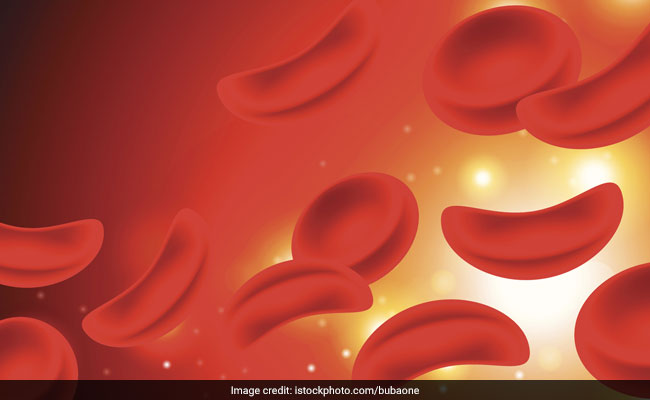
Sickle cell disease is caused by a genetic mutation that affects haemoglobin, the protein in red blood cells that's responsible for carrying oxygen throughout the body. In people with SCD, abnormal haemoglobin known as Haemoglobin S causes red blood cells to become rigid and sickle-shaped instead of round and flexible. These cells can block blood vessels, reducing blood flow and oxygen supply to tissues. This can result in chronic anaemia, severe pain episodes, frequent infections and damage to vital organs. Since babies with SCD often appear healthy at birth, early screening becomes essential to spot the condition before symptoms begin.
Why Newborn Screening Is Important
Speaking to NDTV, Dr. Kamlesh Prajapati, Consultant, Pathology and Hematopatgology, Agilus Diagnostics, said that sickle cell disease is one of the most common inherited blood disorders in India and requires early diagnosis for effective management. Newborn screening plays a vital role because it allows healthcare providers to detect the disease soon after birth, often before any symptoms become visible.
A simple blood test performed shortly after birth can identify abnormal Haemoglobin S and confirm the diagnosis. Without screening, many children may remain undiagnosed until they develop serious complications such as severe anemia, infections or painful crises. Early detection gives families and doctors time to plan the required care and preventive measures.
Dr. Prajapati said, "Early identification allows families and healthcare teams to initiate preventive measures that significantly reduce morbidity and mortality during the first few years of life, which are often the most vulnerable."
Benefits Of Early Diagnosis
Identifying sickle cell disease in infancy can significantly improve health outcomes. The first few years of life are often the most vulnerable period for children with SCD, making early medical attention especially important.
Once diagnosed, children can receive regular health check-ups and monitoring to track their condition. Doctors can also ensure that vaccinations are given on time to protect against infections, which can be dangerous for children with sickle cell disease. Early diagnosis helps reduce the risk of complications and improves survival rates.
Another important advantage is that parents have a better understanding of the condition and can learn how to recognise warning signs before they become medical emergencies.
Timely Intervention Can Change Lives
Diagnosis alone is not enough; timely intervention is equally important. Children with sickle cell disease benefit from comprehensive medical care that includes preventive and supportive treatments.
Preventive antibiotics may be prescribed to reduce the risk of serious infections. In some cases, disease-modifying medicines such as hydroxyurea can be recommended. Studies have shown that hydroxyurea can help reduce painful crises, lower the need for hospitalisation and decrease the risk of long-term organ damage.
Good nutrition, routine health assessments and prompt treatment of infections also play an important role in maintaining overall health. When these interventions begin early, children are more likely to lead healthier and more active lives.
The Role of Awareness And Family Education
Parental awareness is a key factor in successful disease management. Families should understand that sickle cell disease is hereditary and can be passed from parents to children. Genetic counselling can help families understand future pregnancy risks and make informed decisions.
Parents should also be educated about symptoms that require immediate medical attention. Fever, severe pain, breathing difficulties, unusual weakness or sudden changes in behaviour should never be ignored. Quick medical intervention can prevent complications from becoming life-threatening. "Early recognition of symptoms such as fever, severe pain, breathing difficulties or unusual weakness can help prevent life-threatening complications," said Dr. Prajapati.
Moving Towards A Healthier Future
India has made significant efforts to reduce the burden of sickle cell disease, but expanding newborn screening programmes and ensuring access to quality care remain essential. "Early diagnosis does not merely identify a disease - it creates an opportunity to intervene proactively, prevent complications and give children with sickle cell disease the chance to lead healthier, more productive lives," added Dr. Prajapati.
Disclaimer: This content including advice provides generic information only. It is in no way a substitute for a qualified medical opinion. Always consult a specialist or your own doctor for more information. NDTV does not claim responsibility for this information.