

)
As monsoon clouds begin to gather across India, health authorities are preparing for another season of increased risk from mosquito-borne diseases such as dengue and malaria. Recognising the threat, Union Health Minister JP Nadda recently chaired a high-level review meeting to assess the country's preparedness and response mechanisms ahead of the rainy season. During the meeting, the minister emphasised the importance of surveillance, prevention, early diagnosis, timely treatment, and community participation in controlling outbreaks.
The review comes at a time when dengue remains a significant public health concern across India. According to the National Centre for Vector Borne Diseases Control (NCVBDC), thousands of dengue cases are reported annually, with transmission often peaking during and after the monsoon when stagnant water creates ideal breeding conditions for mosquitoes.
While governments can strengthen hospitals, surveillance systems, and vector-control programmes, public health experts say families play a crucial role in preventing infections. Understanding what to do, and what not to do, can significantly reduce the risk of illness during the monsoon months.
Why Monsoon Raises The Risk Of Dengue And Malaria
Mosquitoes thrive in warm, humid environments. Rainwater that accumulates in containers, flower pots, discarded tyres, coolers, overhead tanks, and construction sites provides ideal breeding grounds.
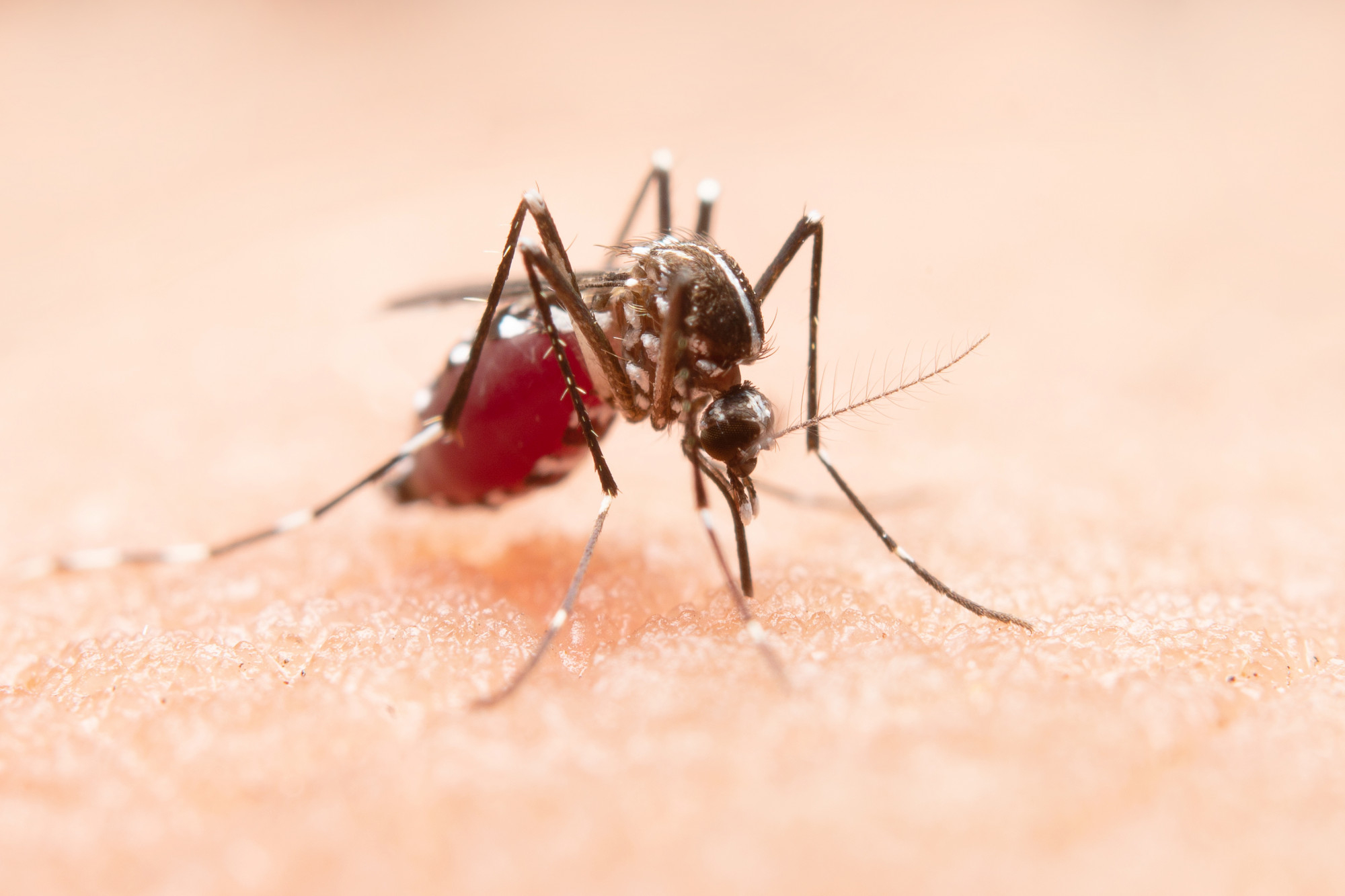
Dengue is caused by a virus transmitted primarily by the Aedes mosquito, which typically bites during the daytime. Malaria, meanwhile, is caused by Plasmodium parasites spread through the bite of infected Anopheles mosquitoes, which are generally more active from dusk to dawn.
Health officials have warned that changing weather patterns, urbanisation, waterlogging, and inadequate waste management can contribute to prolonged mosquito breeding and disease transmission.
What Did The Health Minister Review?
During the preparedness meeting, the Health Minister reviewed the national disease situation and directed states and healthcare institutions to strengthen surveillance, diagnosis, treatment protocols, and public awareness campaigns. Special emphasis was placed on early preparedness and proactive public health measures before transmission intensifies during the monsoon season.
The Ministry also reiterated that awareness, early diagnosis, timely treatment, and community participation remain the key pillars in India's strategy against dengue and malaria.
Officials noted that India's dengue mortality rate has fallen dramatically over the past decades due to improvements in surveillance, diagnostics, and clinical management. According to government data, dengue mortality has decreased from approximately 3.3 per cent in 1996 to around 0.1 per cent in recent years.
Dengue And Malaria: Do's For Every Family
1. Eliminate Stagnant Water Weekly
Mosquitoes can breed in very small amounts of standing water.
Check and empty:
- Water coolers
- Flower pot trays
- Buckets
- Bird baths
- Unused containers
- Tyres
- Rooftop water collection points
Public health experts recommend conducting a weekly "dry day" inspection around the home.
2. Cover Water Storage Containers
Keep water tanks, drums, and storage containers tightly covered to prevent mosquitoes from laying eggs.
3. Wear Protective Clothing
During mosquito season:
- Wear full-sleeved shirts
- Choose long trousers
- Use socks when outdoors
This is particularly important for children and older adults.
4. Use Mosquito Protection Measures
Consider:
- Window screens
- Mosquito nets
- Approved mosquito repellents
- Indoor mosquito control measures
WHO recommends reducing exposure to mosquito bites as one of the most effective prevention strategies.
5. Seek Medical Care Early
Early diagnosis improves outcomes.
Seek medical attention if you develop:
- High fever
- Severe headache
- Pain behind the eyes
- Muscle and joint pain
- Persistent vomiting
- Unusual bleeding
- Chills and sweating
Prompt diagnosis allows timely management and helps prevent severe complications.
Dengue And Malaria: Don'ts For Every Family
- Don't Ignore Fever: Many people dismiss early symptoms as a seasonal viral infection. Any unexplained fever during monsoon season should be evaluated, especially in areas reporting dengue or malaria cases.
- Don't Self-Medicate With Painkillers: Experts advise caution with certain over-the-counter medications in suspected dengue because some drugs may increase bleeding risk. Always consult a healthcare professional before taking medicines for persistent fever.
- Don't Allow Water To Collect Around Your Home: Even small amounts of water in bottle caps, plant trays, or discarded containers can support mosquito breeding.
- Don't Wait For Fogging Alone: Fogging can help reduce adult mosquito populations, but it cannot eliminate breeding sites hidden around homes and neighbourhoods. Household prevention remains essential.
- Don't Assume Dengue Mosquitoes Only Bite At Night: Unlike malaria-carrying mosquitoes, Aedes mosquitoes are active primarily during the day, particularly in the early morning and late afternoon.
Why Community Participation Matters
Health experts consistently emphasise that dengue and malaria control cannot rely solely on hospitals and government agencies. Because mosquitoes breed across neighbourhoods rather than within individual households alone, community-level action, including cleaning drives, awareness campaigns, and elimination of breeding sites, is critical for reducing transmission. This is one reason the Health Ministry continues to highlight public participation as a cornerstone of disease prevention efforts.
India's health authorities are stepping up preparedness ahead of the monsoon, but preventing dengue and malaria begins much closer to home. By eliminating stagnant water, protecting against mosquito bites, recognising symptoms early, and seeking timely medical care, families can significantly reduce their risk of infection. As the rains approach, experts say a few simple precautions taken today could prevent serious illness tomorrow.
Disclaimer: This content including advice provides generic information only. It is in no way a substitute for a qualified medical opinion. Always consult a specialist or your own doctor for more information. NDTV does not claim responsibility for this information.