

)
Aamir Khan in a recent interview revealed that he lost 18 kilograms. He also shared that he followed an anti-inflammatory diet, which was aimed to manage persistent migraines. He said that the weight loss happened almost unintentionally. ""It happened by default. The new diet I am following for health reasons is working like magic for me."
He further said, "I undertook the diet for the migraines. It is an anti-inflammatory diet. I not only lost eighteen kgs, my migraines have also reduced considerably." Read on to know more about the anti-inflammatory diets and how it helps with weight loss.
What Is An Anti-Inflammatory Diet?
An anti-inflammatory diet focuses on whole and nutrient-dense foods that help to reduce chronic inflammation in the body. Inflammation is one of the major causes of chronic conditions like heart disease, diabetes, arthritis, and even some cancers.
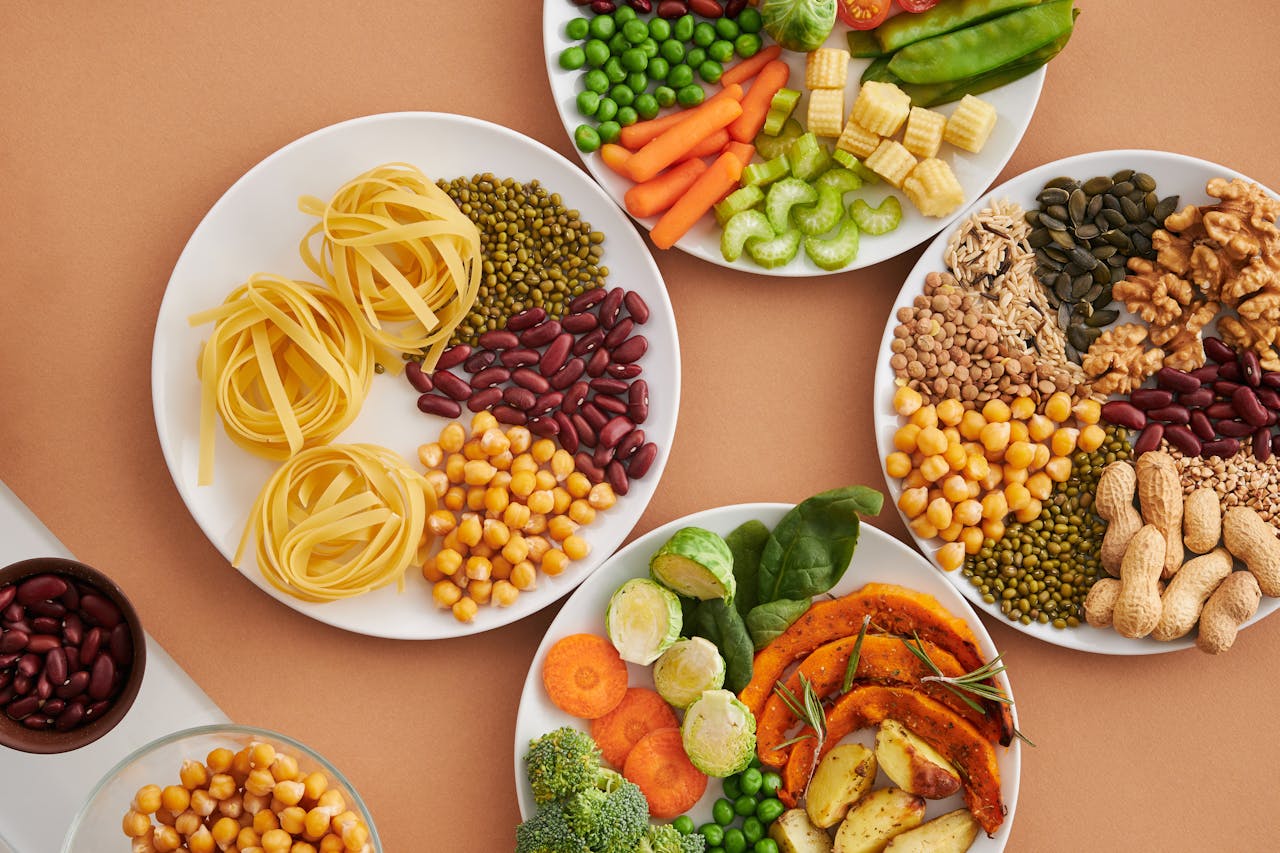
This diet prioritises fresh fruits (such as berries, cherries, and oranges), vegetables (leafy greens, broccoli, tomatoes), fibre-rich whole grains (oats, quinoa, brown rice), and healthy fats from sources like extra virgin olive oil, avocados, nuts (walnuts, almonds), seeds (chia, flax), and fatty fish (salmon, sardines, mackerel) rich in omega-3s. In anti-inflammatory diets, protein comes from anti-inflammatory options which includes legumes such as legumes beans, lentils, chickpeas, lean poultry, eggs, and plant-based alternatives like tofu.
Following an anti-inflammatory diet minimises pro-inflammatory culprits; processed foods, refined sugars and grains, red and processed meats, saturated/trans fats, fried items, and sugary drinks. When you eat high-fibre and low-glycemic foods, and follow mindful eating habits, it improves gut health, balances blood sugar, and lowers markers like C-reactive protein.
All of these not only reduces inflammation in the body but also helps in weight management, improved immunity, and prevention of chronic diseases.
How Anti-Inflammatory Diets Help In Weight Loss?
Anti-inflammatory diet helps in weight loss by targeting chronic low-grade inflammation that is linked to obesity. This improves metabolic health, and promotes healthy eating habits. Here's how it helps in weight loss.
1. Reduces Caloric Intake
Fruits, vegetables, whole grains, and lean proteins are a central part of this diet. They are nutrient-dense yet low in calories, which keeps you satiated without excess energy consumption. Also, high-fibre options like berries, leafy greens, and legumes slow digestion, curb hunger hormones, and stabilise blood sugar. These foods also prevent overeating, which is common with processed foods. Studies show that people who follow anti-inflammatory lose 6-10% body weight over time as they cut down on pro-inflammatory items like sweets and refined carbs.
2. Lowers Visceral Fat
Chronic inflammation from obesity leads to fat accumulation, especially visceral adipose tissue. This tends to worsen insulin resistance. Anti-inflammatory foods that are rich in omega-3s (salmon, walnuts), polyphenols (turmeric, green tea), and antioxidants help to reduce inflammatory markers like C-reactive protein. These shrink fat cells and enhance fat breakdown, which leads to targeted visceral fat loss.
3. Boosts Insulin Sensitivity
Inflammation tends to impair insulin signaling, leading to fat storage and cravings. By emphasising low-glycemic, high-fibre foods and healthy fats, the anti-inflammatory diet improves insulin response, lowers fasting glucose, and improves insulin resistance, helps in fat metabolism and prevents regain.
4. Enhances Gut Health and Metabolism
Fermentable fibre from whole grains, beans, and vegetables feed on beneficial gut bacteria, producing short-chain fatty acids that reduce inflammation and regulate appetite via hormones like GLP-1. This microbiome shift improves resting metabolism and helps in long-term weight loss.
5. Reduces Pro-Inflammatory Triggers
Avoiding sugars, trans fats, and processed meats reduces inflammatory cytokines that impact leptin (satiety signal), preventing mindless eating. When combined with better sleep, people experience nearly 5-10% weight loss which lowers obesity risks.
Disclaimer: This content including advice provides generic information only. It is in no way a substitute for a qualified medical opinion. Always consult a specialist or your own doctor for more information. NDTV does not claim responsibility for this information.