

)
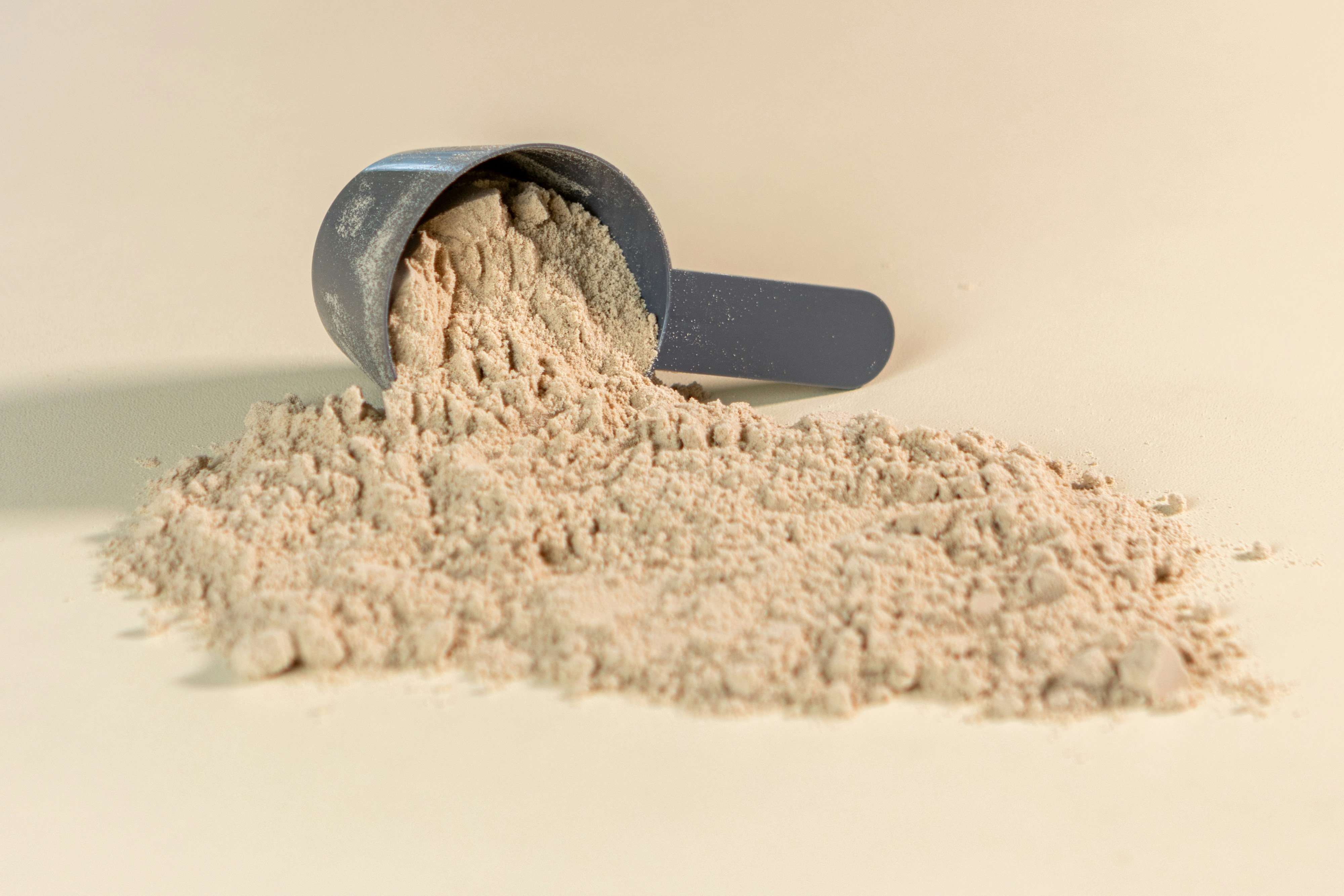
That post-workout protein shake might be powering your fitness goals, but if your skin has suddenly started breaking out in stubborn, painful bumps along your jawline, chest, or upper back, your daily scoop of whey might be the hidden offender. With the protein obsession currently affecting most people online, the need to pay attention to how much protein your body actually needs is necessary. While whey protein remains a popular standard for muscle repair and recovery, consuming it every single day alters your internal biochemistry in ways that directly impact your skin barrier, oil production, and cellular renewal.
How Taking Whey Protein Impacts Skin Health
Whey is derived as a byproduct during the process of converting milk into cheese. Because it is highly refined and concentrated, your digestive system absorbs its amino acids, particularly branched-chain amino acids (BCAAs) like leucine, rapidly. While this process supports muscle protein synthesis, it also initiates a range of dermatological changes:
Whey protein can cause a quick rise in insulin, a hormone that helps control blood sugar. This insulin spike can also increase levels of IGF-1 (Insulin-like Growth Factor 1), a hormone involved in growth and cell activity.
When IGF-1 levels go up, the skin's oil glands may produce more sebum (oil) than usual. Extra oil can clog pores and create conditions that help acne-causing bacteria, Cutibacterium acnes, grow more easily.
Whey protein is rich in an amino acid called leucine, which can switch on a growth pathway in the body known as mTORC1.
When this pathway becomes highly active:
- It tells the skin to produce more oil (sebum).
- It speeds up the production of new skin cells.
- The old skin cells may not shed properly and can start sticking together.
- These dead skin cells and excess oil can block pores and hair follicles.
- Blocked pores create the perfect environment for acne to form.
Whey protein comes from milk and may contain tiny amounts of natural growth hormones and hormone-like substances. In some people who are already prone to acne, these compounds may make the skin more sensitive to androgens (hormones that increase oil production).
As a result:
- The skin may produce more oil (sebum).
- Pores can become clogged more easily.
- This may lead to large, painful acne bumps, often called cystic acne.
- These breakouts commonly appear on the jawline, chin, lower cheeks, and neck.
A Dermatologist Explains How Daily Whey Protein Consumption Could Impact Skin Health
Dr. DM Mahajan, Senior Consultant - Dermatology, Apollo Hospitals, New Delhi, explains, "In clinical practice, we regularly see fitness enthusiasts and gym-goers presenting with sudden, stubborn breakouts across the jawline, shoulders, and back that do not respond to typical over-the-counter acne treatments.”
He adds, "Whey protein itself is not toxic, but its concentrated nature creates an artificial hormonal environment that escalates IGF-1 and androgenic activity in vulnerable skin types. If you notice new or worsening cystic bumps within two to four weeks of starting a daily whey regimen, your skin is reacting to that internal systemic signal. Switching away from dairy isolates to plant-based protein powders often resolves the issue within weeks."
Managing Your Protein and Skin Balance
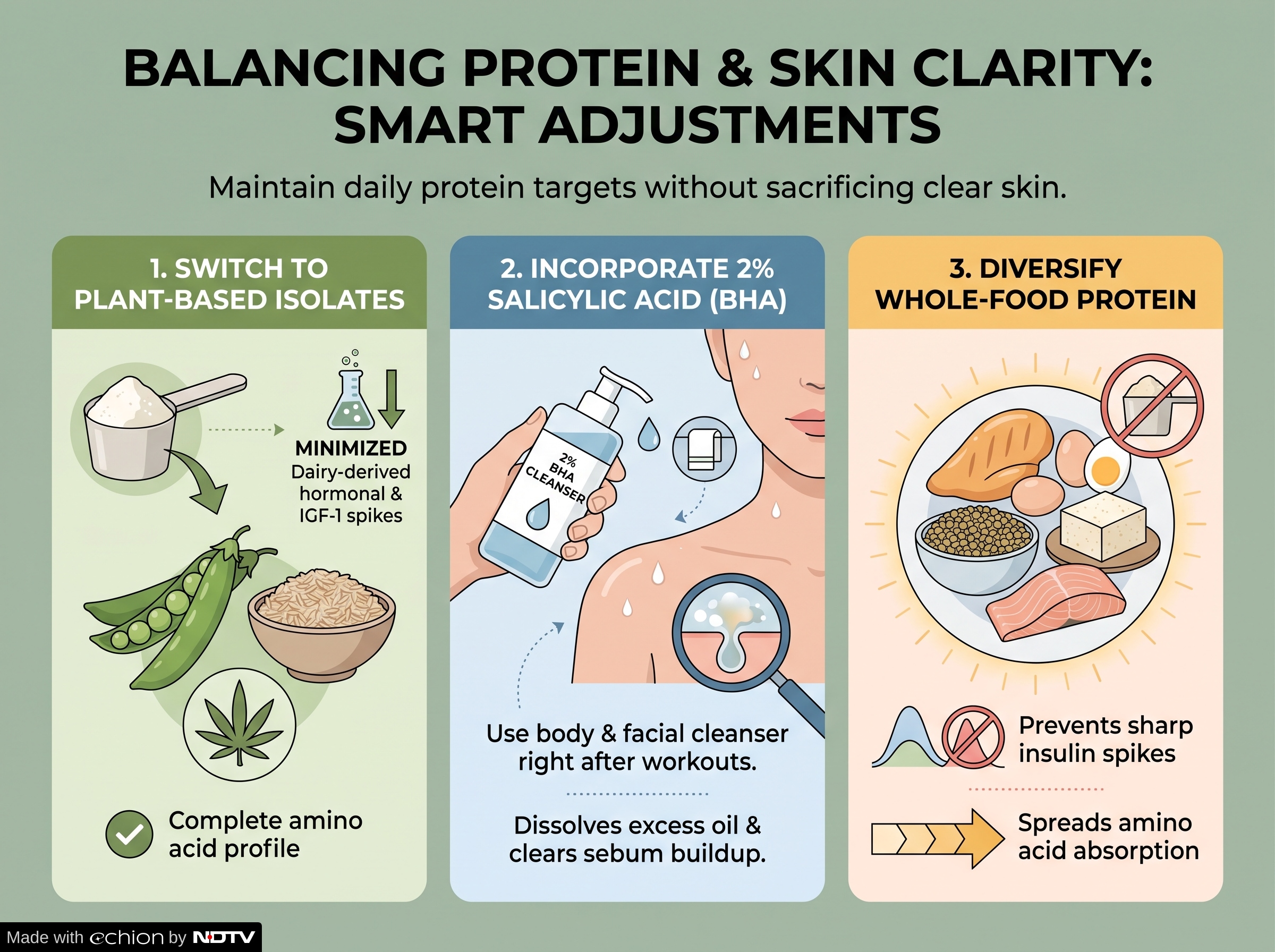
If you want to maintain your daily protein target without sacrificing your skin clarity, consider making these adjustments:
- Switch to Plant-Based Protein Isolates: Transitioning to clean plant protein options such as pea, brown rice, or hemp protein helps reduce the dairy-derived hormonal and IGF-1 spikes entirely while still offering a complete amino acid profile.
- Incorporate Salicylic Acid into Your Routine: A gentle 2% Salicylic Acid (BHA) body and facial cleanser used right after workouts helps dissolve excess oil and clear out sebum buildup inside pores.
- Diversify Whole-Food Protein Sources: Relying less on processed powder scoops and more on lean whole foods such as eggs, chicken breast, lentils, tofu, and fish spreads out amino acid absorption and prevents sharp insulin spikes.
Daily whey protein consumption could harm your skin health if it is not metabolised by your body. You need to balance your protein intake as per your daily physical activity as your protein intake could show up on your skin.
Also Read: 22-Year-Old Suffers Stroke After Consuming High-Caffeine Pre-Workout: Doctor Explains What Happened
Disclaimer: This content including advice provides generic information only. It is in no way a substitute for a qualified medical opinion. Always consult a specialist or your own doctor for more information. NDTV does not claim responsibility for this information.