

)
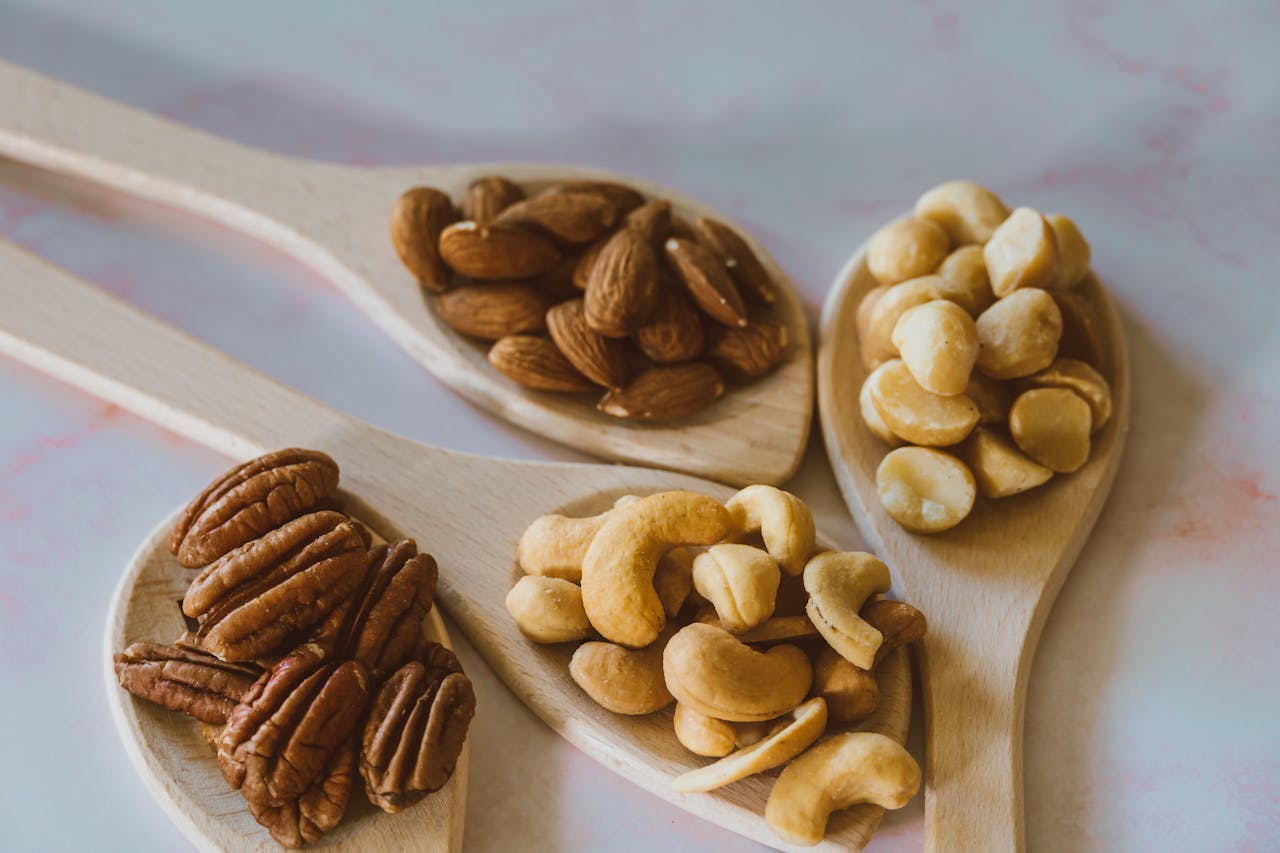
ree nuts, such as almonds, walnuts, pistachios, pecans, hazelnuts, macadamias and cashews, are nutrient-dense, plant-based foods rich in unsaturated fats, dietary fibre, protein and micronutrients. Long recognized as heart-healthy and beneficial for overall wellbeing, tree nuts are increasingly studied for their role in appetite control and weight management. A recent study published in the peer-reviewed journal Nutrients has provided fresh evidence that swapping typical high-carbohydrate snacks for modest daily portions of mixed tree nuts can significantly reduce cravings for calorie-dense, nutrient-poor foods and improve overall diet quality in young adults at risk for metabolic syndrome.
In this sixteen-week intervention trial involving young adults with early cardiometabolic risk, participants who consumed a tree-nut snack twice daily reported broad decreases in cravings for sweets and fast foods, especially cookies, brownies, candy, ice cream, chips and pizza, whereas those eating high-carb snacks showed no significant change.
Tree nuts also contributed to a higher Healthy Eating Index (HEI) score, reflecting better overall diet quality, without causing weight gain. These findings suggest that beyond their cardiovascular benefits, tree nuts may play a role in appetite regulation, dietary behaviour and long-term metabolic health. In this article, we explore what tree nuts are, their nutrition profile and how they may help reduce cravings and support weight management.
What Are Tree Nuts? A Nutrient Profile
Tree nuts are edible seeds encased in hard shells that grow on trees, distinct from peanuts, which are legumes. Common varieties include almonds, walnuts, pistachios, pecans, hazelnuts, macadamias and cashews. They share several nutrition-linked characteristics that make them especially valuable in the diet:
- Healthy fats: Mostly monounsaturated and polyunsaturated fats, which are linked to cardiovascular benefits.
- Protein: Helps with satiety and muscle maintenance.
- Fibre: Aids digestion and contributes to prolonged feelings of fullness.
- Micronutrients: Including magnesium, potassium, vitamin E and antioxidants.
Tree nuts have been associated with improvements in cholesterol profiles, reduced inflammation and better heart health when consumed regularly within balanced diets.
Study Findings: Tree Nuts, Cravings And Diet Quality
The Nutrients study enrolled 84 young adults (aged 22-36) with at least one risk factor for metabolic syndrome. Participants were randomly assigned to receive either tree-nut snacks (33.5 g of mixed nuts twice daily) or high-carbohydrate snacks (e.g., pretzels, graham crackers and granola bars) for 16 weeks. The snacks were matched for calories, protein, fibre and sodium to isolate the effect of food type rather than nutrient content.
1. Reduced Cravings for Unhealthy Foods
After the intervention:
- The tree-nut group showed significant decreases in cravings for sweets and fast foods including cookies, brownies, candy, ice cream, chips and pizza.
- The high-carb snack group showed no notable reductions in any craving category.
- A lower preference for sweet taste was also reported in the nut group.
These changes were reflected in improved dietary behaviours, with the tree-nut group consuming fewer frozen desserts and salty snacks and increasing intake of higher-protein foods such as seafood and plant proteins.
2. Improved Diet Quality
The Healthy Eating Index (HEI), a measure of overall diet quality, increased by about 19% in the tree-nut group. Components that improved most included fatty acid ratios, protein intake, refined grains and sodium scores, all markers of healthier eating patterns. By contrast, the high-carb group saw no meaningful HEI change over the same period.
3. Hormonal Changes and Appetite
The researchers also measured hormones related to appetite regulation, including glucagon-like peptide-1 (GLP-1) and ghrelin. Total GLP-1, a hormone that promotes satiety, increased in the nut group and was inversely associated with cravings for high-sugar foods. This suggests that nut consumption may influence gut-brain signalling related to appetite.
Importantly, despite altered intake patterns and reduced cravings, body weight remained stable in the tree-nut group, indicating that replacing typical snacks with nuts did not lead to weight gain over the study period.
Do Tree Nuts Aid Weight Loss? What Evidence Shows
While the primary study did not find weight loss over 16 weeks, broader evidence suggests that tree nuts do not inherently cause weight gain and may support weight control. Randomised trials have shown that nuts included in energy-restricted diets do not hinder weight loss and may even enhance satiety, helping people maintain healthy eating patterns without increased calorie intake.
In observational research, higher nut consumption has been associated with lower long-term weight gain and reduced risk of overweight or obesity, likely due to effects on hunger, energy absorption and metabolic signalling.
Practical Tips to Include Tree Nuts in Your Diet
- Snack smart: Replace chips, cookies or crackers with a small handful (about 30 g) of mixed nuts each day.
- Mix with protein: Combine nuts with yogurt or fruit for balanced mid-day snacks.
- Mind portions: Nuts are calorie-dense; moderate portions help maximise benefits without excess calories.
- Variety matters: Enjoy different tree nuts to broaden nutrient intake and taste profiles.
Tree nuts are not just heart-healthy, they may also help curb cravings for sweets and fast foods and improve overall diet quality, particularly in individuals at risk of metabolic syndrome. By replacing carbohydrate-heavy snacks with nutrient-rich nuts, people can shift eating patterns away from less healthy choices without increasing body weight. While more research is needed to confirm long-term impacts on weight management, current evidence supports nuts as a smart snack choice for appetite control and metabolic health.
Disclaimer: This content, including advice, provides generic information only. It is in no way a substitute for a qualified medical opinion. Always consult a specialist or your own doctor for more information.