

West Bengal is witnessing a sharp rise in dengue cases, with the number of people affected by the mosquito-borne infection crossing 5,000 this year. According to the latest West Bengal Health Department figures, 5,002 dengue cases had been reported as of September 11, compared with fewer than 2,500 at the end of August. This means more than 2,500 additional cases were recorded in roughly a month.
Murshidabad has reported the highest number of cases so far, followed by Kolkata and North 24 Parganas. The state has identified 29 municipalities, 85 community development blocks and 278 village panchayats as dengue hotspots, with intensified testing and surveillance under way.
For Kolkata and other parts of West Bengal as well as India, the rise comes at a time when monsoon conditions can create favourable breeding environments for Aedes mosquitoes. Doctors say the focus now should be on recognising dengue symptoms early, avoiding self-medication and preventing mosquito breeding around homes and communities.
West Bengal Dengue Cases Cross 5,000: Why The Rise Matters
The latest figures show how quickly dengue transmission can accelerate during the monsoon season. West Bengal Health Department officials have revealed that the state had recorded 5,002 cases by September 11, while the cumulative figure at the same point in August was below 2,500.
Murshidabad accounts for the largest share, with 1,072 cases, followed by Kolkata with 500 and North 24 Parganas with 450 cases. These three districts have also repeatedly reported high dengue burdens in recent years, according to the state Health Department.
The state has responded with intensified surveillance and testing. A Standard Operating Procedure issued on September 2 emphasises door-to-door monitoring and prompt blood testing of people with symptoms. District authorities have also been directed to conduct an intensive testing campaign until October 15 and regularly report fever cases and dengue tests.
At designated hotspots, health workers are carrying out more intensive and random blood-sample testing and awareness drives. The state has also urged people with fever lasting two or more days to seek medical advice rather than self-medicate.
Kolkata Doctor On Why Dengue Prevention Starts At Home
According to Dr Joydeep Ghosh, Consultant, Internal Medicine, Fortis Hospital Anandapur, monsoon conditions can increase dengue transmission in West Bengal because stagnant water provides breeding sites for Aedes mosquitoes.
"Even small quantities of clean, stagnant water collected in flowerpots, buckets, discarded containers, rooftop areas and other household spaces can become breeding grounds," Dr Ghosh said.
He stressed that dengue prevention cannot be left to civic authorities alone. Government agencies and healthcare systems have an important role through vector-control measures, surveillance, removal of breeding sites, awareness campaigns and timely diagnostic and healthcare support. However, households also need to regularly inspect terraces, balconies, gardens, drains and containers and remove or cover standing water.
This is particularly important because Aedes aegypti, one of the main mosquitoes responsible for dengue transmission, can breed in relatively small collections of water. WHO also recommends reducing exposure to mosquito bites, particularly during the daytime when dengue-transmitting mosquitoes are active.
Also Read: Dengue Cases Rise In Chennai, Kolkata, Mumbai, Delhi: What Is Driving The Spike?
Dengue Symptoms: What Should You Watch For?
Dengue may cause a sudden high fever accompanied by severe headache, pain behind the eyes, muscle and joint pain, nausea, vomiting and rash. The World Health Organization (WHO) notes that symptoms generally begin four to 10 days after infection and may last for two to seven days.
Dr Ghosh advised people who develop these symptoms, particularly during an outbreak, to seek medical consultation and appropriate testing rather than relying on self-medication.
A key concern is that dengue can worsen even when the fever starts coming down. The critical phase commonly occurs around three to seven days after illness begins, and a fall in temperature does not necessarily mean that the patient is recovering.
Warning signs include severe abdominal pain, persistent vomiting, bleeding from the nose or gums, blood in vomit or stool, unusual drowsiness or restlessness, rapid breathing, weakness or other signs of clinical deterioration. Such symptoms require urgent medical assessment.
Why Platelet Counts Should Not Be The Only Focus
Dengue is often associated with falling platelet counts, but Dr Ghosh cautioned that platelet count alone does not determine whether a patient has severe dengue.
ICMR's dengue treatment guidance emphasises monitoring the patient dynamically through the illness, including warning signs, fluid status, urine output, haematocrit and blood counts. Severe dengue can involve plasma leakage, shock, severe bleeding or organ impairment.
This is why patients should follow medical advice on repeat blood tests and monitoring rather than attempting to manage the disease based only on a single platelet reading.
Also Read: Why India's Multi-Strain Dengue Outbreaks Are Dangerous
Dengue: Why Aspirin And Ibuprofen Should Be Avoided
Pain and fever medicines also require caution. Dr Ghosh advised against taking aspirin or ibuprofen unless specifically recommended by a doctor because these medicines can increase bleeding risk.
WHO and CDC similarly recommend avoiding aspirin and non-steroidal anti-inflammatory drugs such as ibuprofen in dengue. Paracetamol/acetaminophen is generally used for fever and pain, with dosing guided by a healthcare professional.
There is currently no specific antiviral treatment for dengue. Most people recover with appropriate supportive care, including adequate fluids and monitoring, while patients who develop severe disease may require hospitalisation.
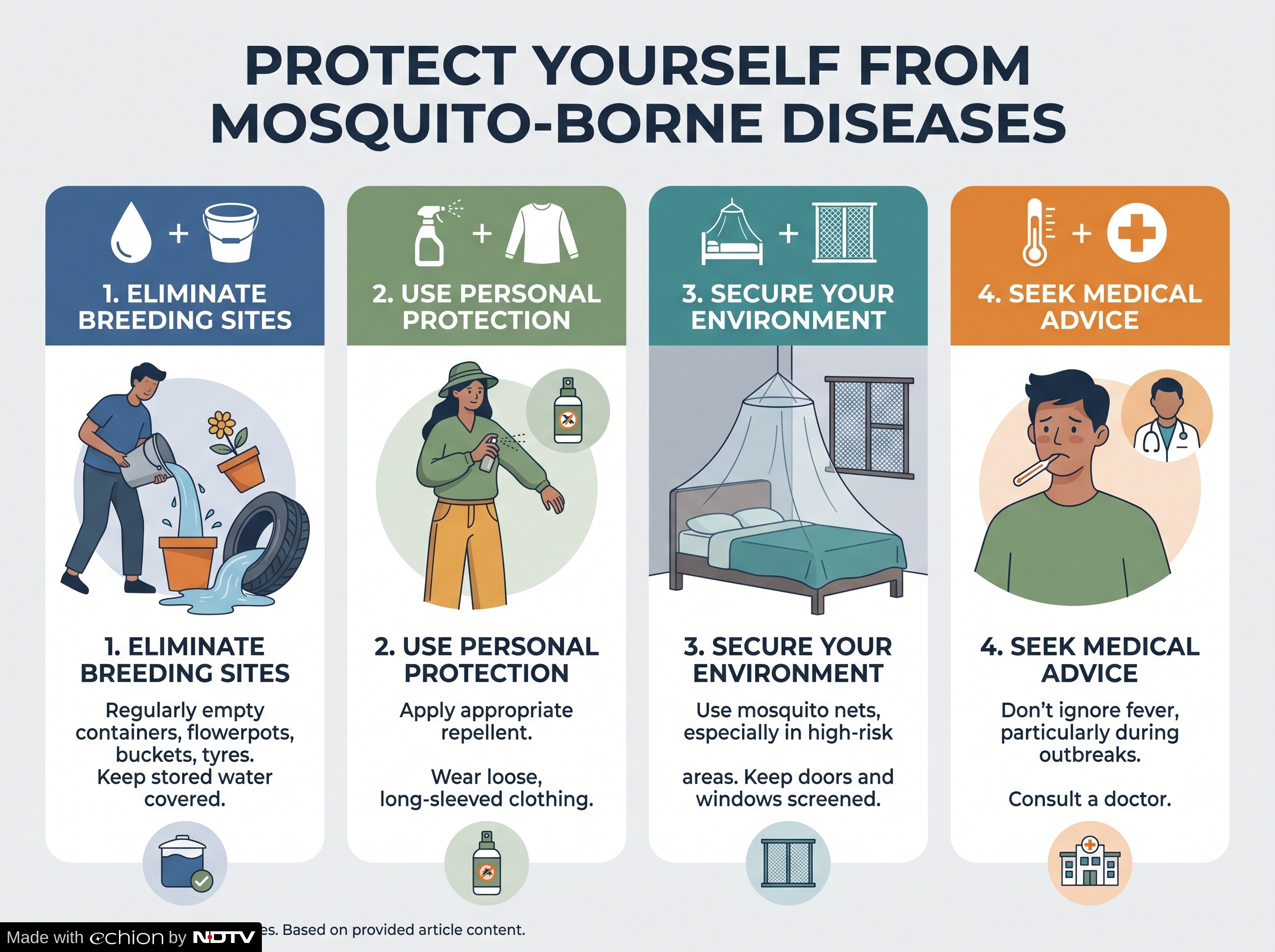
How To Protect Your Family From Dengue
Dr Ghosh said dengue prevention requires sustained participation from both authorities and residents. Households should:
- Empty or cover containers that can collect water
- Check flowerpots, buckets, rooftop areas, balconies and gardens regularly
- Remove discarded containers and other objects capable of holding rainwater
- Use mosquito repellents and mosquito nets where appropriate
- Wear full-sleeved clothing and long trousers to reduce mosquito exposure
- Remember that dengue mosquitoes can bite during the daytime
- Seek medical advice promptly for persistent fever and avoid self-medication
A person infected with dengue can also transmit the virus to mosquitoes that bite them, which can then spread infection to others. WHO therefore recommends measures to prevent mosquito bites during the period of illness as an additional way of limiting transmission.
West Bengal's dengue count crossing 5,000, after nearly doubling in a month, is a reminder that the monsoon remains a critical period for mosquito-borne disease surveillance. Murshidabad, Kolkata and North 24 Parganas are currently among the most affected districts, while hundreds of local administrative areas have been designated hotspots.
The state's intensified testing campaign may help identify more infections earlier, but controlling dengue ultimately requires action at every level. Removing stagnant water, protecting against mosquito bites, recognising warning signs and seeking timely medical care can help reduce both transmission and the risk of severe disease.
Read More: India Has A Dengue Vaccine. Now It Needs A Strategy
Disclaimer: This content including advice provides generic information only. It is in no way a substitute for a qualified medical opinion. Always consult a specialist or your own doctor for more information. NDTV does not claim responsibility for this information.