

)
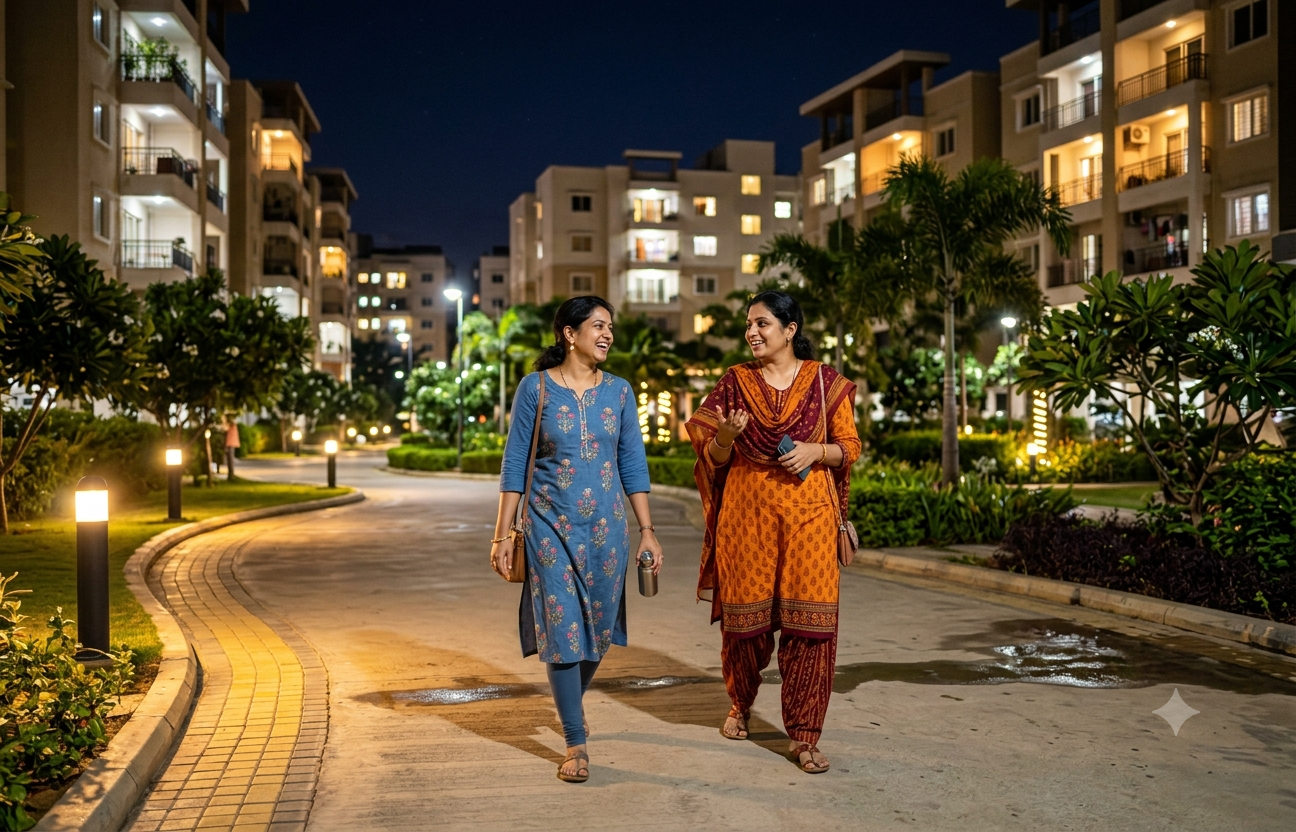
Most people are guilty of heading straight to their couch after eating dinner as they want to relax and wind down. But growing medical research, such as a review published in the Sports Medicine Journal, highlights that walking after dinner is beneficial for reducing post-meal blood sugar spikes. The sportspeople who are pre-diabetic or have diabetes and those who struggle with blood sugar regulation should prioritise walking after dinner for their health benefits. If you consume complex carbohydrates during dinner, then walking after dinner can certainly help with blood sugar control. Research published in the Scientific Reports suggests that a brief 10-minute walk immediately after a meal appears to be an effective and practical way to manage post-meal blood sugar spikes.
Does Walking After Dinner Really Lower Blood Sugar?
Yes, immediately walking after dinner, even for 10-15 minutes, can lower blood sugar levels. This is especially true when dinners are heavy and contain carbohydrates, as they can spike your blood sugar levels rapidly. The practice of walking makes carbohydrates, like glucose from dinner, available for energy. The rise of blood sugar levels after consuming a meal is referred to as 'postprandial glucose spikes' that are linked to heart disease, oxidative stress, inflammation, and future diabetes risk.
What Happens To Blood Sugar After A Meal?
Your blood sugar that is a result of digestion, converts carbohydrates into glucose. Then, this glucose enters the bloodstream, and 'postprandial insulin spikes' glucose into cells. When someone has a bloodstream with diabetes or prediabetes, then this process becomes less efficient. Your blood sugar level naturally rises after you consume something, but how your body utilises it and the pace at which it does so determine long-term internal impact.
Why Is Walking One Of The Best Post-Meal Exercises?
Research published in the Sports Medicine Journal points to walking being one of the best exercises post-meal. It activates large muscle groups as you send signals to your body that you need to move after eating. This helps improve insulin sensitivity and encourages adopting walking after dinner.
Note: The benefits of walking after dinner should be the reason for people who struggle with managing their blood sugar levels to adopt it immediately.
How Long Should You Walk After Dinner?
Research published in the International Journal of General Medicine suggests that the time duration for a post-meal walk should ideally be between 10 and 30 minutes at max. It depends on how much you can walk within the space restrictions of your environment.
The key is consistency, as it yields better results when compared with sporadic walks performed over some days.
Small walks after every meal are much more effective than a long workout after a meal, as it is not always possible.
Can Walking After Dinner Help Prevent Diabetes?
Research published in Scientific Reports highlights that walking after dinner can reduce the risk of prediabetes and insulin resistance as well as metabolic syndrome.
But the overall metabolic health of individuals can benefit from walking after dinner consistently. It can also be a way to improve glucose metabolism over time.
Note: Those with diagnosed diabetes should consult their doctor for the optimal level of exercise needed.
Is Walking After Dinner Better Than Walking In The Morning?
Research published in the Sports Medicine journal pinpoints that walking after dinner is better than walking in the morning, as during dinnertime, your digestion becomes sluggish. While morning walks are beneficial for heart health and boosting mood, the level of exercise depends on the individual's ability to execute them in real time.
Post-Dinner Walks
There is a greater chance of post-meal glucose control when you walk after dinner. The timely physical movement forces your body to move and utilize glucose in a better manner.
Who Can Benefit Most From Post-Dinner Walks?
People who can benefit the most from post-dinner walks are those who have pre-existing medical conditions that impact blood sugar control.
- People with prediabetes
- Individuals with type 2 diabetes
- Overweight adults
- Sedentary workers
- Older adults
- People with metabolic syndrome
Note: Post-dinner walks should be carefully adopted if you want to control your blood sugar effectively. Healthy individuals can also adopt this habit if they don't want any issues with their blood sugar in their lifetime.
7 Tips To Make Post-Meal Walking A Habit
If you want to establish better control over your blood sugar spikes, then you need to work on your motivation and start by doing the following:
1. Start with 10 minutes.
2. Walk within 30-60 minutes after eating.
3. Walk at a comfortable pace.
4. Avoid lying down immediately after meals.
5. Use a step tracker
6. Walk with family members.
7. Stay consistent
Common Mistakes To Avoid
While walking post-meal has multiple health benefits, it is important to keep common mistakes in mind, as they can deter any health impact or reduce it. Here are the mistakes to keep in mind:
- Walking too intensely after large meals
- Skipping movement after dinner
- Assuming exercise can offset an unhealthy diet
- Sitting for hours after eating
Expert Advice On Post-Meal Walking
Dr Saurabh Sethi, Gastroenterologist-Trained at AIIMS, Harvard, and Stanford, explains, "Walking after meals slows how fast glucose enters your bloodstream... This means fewer sugar spikes, lower insulin release, steadier energy release, and less inflammation."
Walking after having dinner is a low-cost habit that can reduce your blood sugar spikes and help boost your metabolism. To become healthier, you need to make this habit a daily habit.
Also Read: Feeling Off After 35? Luke Coutinho Explains What's Really Happens Inside A Woman's Body
Disclaimer: This content including advice provides generic information only. It is in no way a substitute for a qualified medical opinion. Always consult a specialist or your own doctor for more information. NDTV does not claim responsibility for this information.