

)
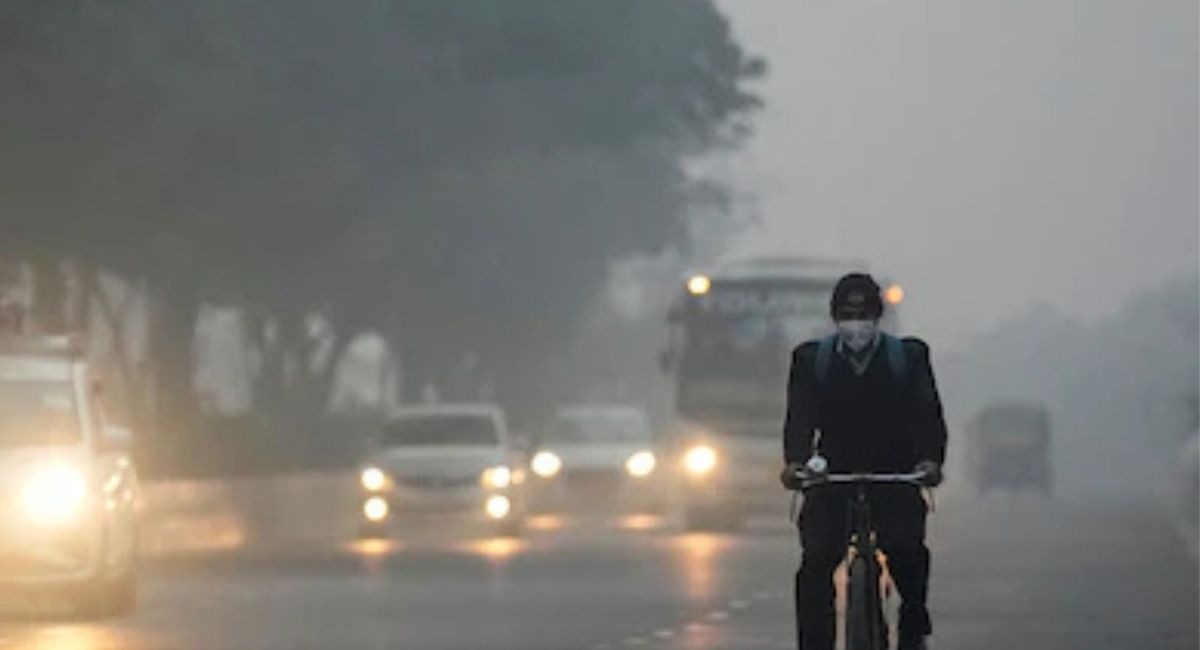
Exposure to PM2.5 pollution can increase chances of depression and anxiety, with aerosol constituents of the pollutant particles more strongly linked with the mental health effects compared to other constituents, according to a study.
Researchers from the Indian Institute of Technology Delhi, All India Institute of Medical Sciences, New Delhi, and National Institute of Mental Health and Neurosciences (NIMHANS), Bengaluru, also found that the cumulative effect due to PM2.5 constituents exceeded that due to total mass of PM2.5 particles.
Findings published in the journal iScience indicate that relying solely on weight of PM2.5 particles can undermine mental health effects, the team said.
The study supports emission controls targeted at sectors producing the most toxic species which may result in greater health benefits, they said.
The researchers said exposure to PM2.5 is known to influence mental disorders, but the varying effects due to chemical components remain poorly understood, especially in low- and middle-income countries.
They looked at links between PM2.5 components and depression and anxiety among 34,802 adults from the National Mental Health Survey (2015-2016). Data from satellite and models were combined to relate one-year-long exposures to PM2.5 components with residential addresses of the participants.
Mental health of the participants was assessed using standard diagnostic interviews.
The authors found that an increase of 14.44 micrograms per cubic metre in PM2.5 "raised the odds of depression and anxiety by eight per cent and two per cent, respectively." "Secondary inorganic aerosols and carbonaceous aerosols showed stronger associations than other constituents," they said.
"Our analysis is the first of its kind in India, providing strong epidemiological evidence that exposures to total PM2.5 and its constituents are associated with depression and anxiety among adults, and the association varies with exposure to individual species," the team said.
(Except for the headline, this story has not been edited by NDTV staff and is published from a syndicated feed.)