

)
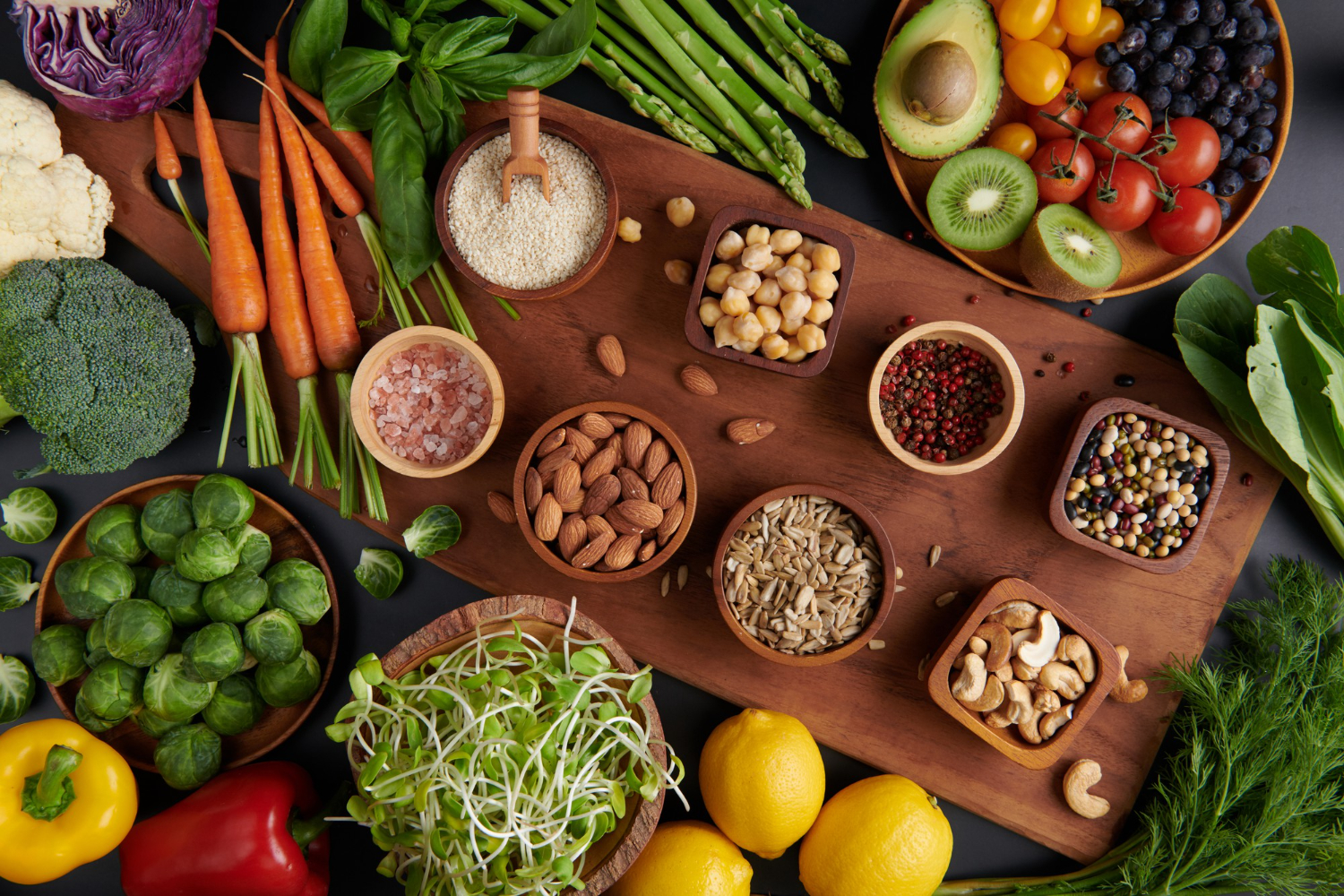
Winter is often celebrated as the season of nourishing foods like dry fruits, root vegetables, traditional laddoos and warming drinks that promise immunity and strength. Many of these foods are rightly called superfoods because they are nutrient-dense and deeply rooted in Indian dietary wisdom. However, emerging research and nutrition science suggest that even healthy winter foods can quietly contribute to weight gain when portions and frequency are not managed. The good news is that portion control, timing and balance are the key to enjoying these foods without derailing weight goals.
Winter superfoods that might be behind your weight gain
1. Ghee
Ghee is rich in fat-soluble vitamins and short-chain fatty acids like butyrate, which support gut health. However, it is also calorie-dense. Research published by the National Institutes of Health confirms that fats provide more than double the calories of carbohydrates or protein per gram. When ghee is added generously to rotis, dals and rice multiple times a day, calorie intake can overshoot needs quickly.
2. Dry fruits and nuts
Almonds, cashews, walnuts and raisins are winter staples for immunity and warmth. While studies highlight their heart-protective fats and minerals, they are also energy-dense. A small handful can contain as many calories as a full meal component. Over-snacking on dry fruits, especially roasted with salt or sugar, is a common but overlooked cause of winter weight gain.
3. Jaggery
Jaggery is often promoted as a healthier alternative to sugar because it retains trace minerals. However, research referenced by NCBI shows that jaggery still behaves like sugar in terms of blood glucose response and calorie contribution. Regular consumption in teas, laddoos and snacks can add up quickly. Using jaggery sparingly rather than daily helps manage calorie load.
4. Peanuts and chikki
Peanuts provide plant protein and healthy fats, making them ideal winter snacks. But peanut chikkis and roasted peanuts are often eaten mindlessly. Fat-rich snacks consumed between meals contribute significantly to positive energy balance. Portion control such as limiting peanuts to a small bowl rather than repeated refills does make a difference.
5. Root vegetables
Root vegetables are rich in fibre, potassium and antioxidants. However, they are also higher in carbohydrates compared to leafy vegetables. Excess carbohydrate intake during periods of low physical activity increases fat storage. Enjoying roots as part of meals rather than frying or snacking on them prevents excess calorie intake.
6. Til
Sesame seeds are celebrated in winter for bone health and warmth. They are rich in calcium and healthy fats but also extremely calorie-dense. Seeds, while nutritious, can contribute to weight gain if consumed in large quantities, especially in the form of laddoos and chutneys with added sugar or jaggery.
7. Full-fat dairy
Winter diets often include more milk, paneer and curd to “build strength.” While dairy provides protein and calcium, full-fat versions increase saturated fat intake. Excess saturated fat can promote weight gain when overall calories are not controlled. Choosing moderate portions or balancing dairy with physical activity is crucial.
8. Traditional winter laddoos
Panjeri, gond laddoos and atta laddoos are traditionally prepared for strength and postpartum recovery. Nutritionally, they are dense combinations of ghee, flour, sugar and nuts. Foods combining fat and sugar are particularly easy to overeat. These laddoos are best treated as occasional foods rather than daily snacks.
Winter weight gain is rarely about a single food. It is the cumulative effect of reduced movement, comfort eating and oversized portions of otherwise healthy foods. Superfoods remain beneficial but only when consumed intentionally. Scientific evidence supports moderation, mindful eating and seasonal balance as sustainable approaches to winter nutrition.
Disclaimer: This content including advice provides generic information only. It is in no way a substitute for a qualified medical opinion. Always consult a specialist or your doctor for more information. NDTV does not claim responsibility for this information.
References
Dietary Fats and Energy Density – National Institutes of Health (NIH), 2015
Seasonal Changes in Appetite and Physical Activity – NCBI, 2016
Nutrient Profile of Nuts and Dry Fruits – USDA, 2019
Glycaemic Response of Traditional Sweeteners – NCBI, 2017
Snacking Patterns and Weight Gain – National Institutes of Health (NIH), 2014
Carbohydrate Intake and Fat Storage – NCBI, 2018
Seeds, Dietary Fats and Caloric Load – National Institutes of Health (NIH), 2013
Dietary Guidelines for Indians – Indian Council of Medical Research (ICMR), 2020
Liquid Calories and Weight Regulation – Centers for Disease Control and Prevention (CDC), 2018