

)
As temperatures drop, appetite patterns, digestion, and immunity often change. Winter is traditionally considered a season of nourishment, where the body naturally demands warming, energy-dense foods to cope with cold stress. Cold exposure increases the body's energy requirements. According to research indexed by the National Institutes of Health, winter weather can alter metabolism, circulation, and immune response. Reduced sunlight exposure also affects vitamin D synthesis, while dry air impacts skin and respiratory health. Seasonal foods grown in winter tend to be richer in antioxidants, vitamin C, minerals, and healthy fats, nutrients that support immunity, gut health, and thermal regulation. The body's ability to absorb and use nutrients depends heavily on preparation and food pairing. This makes mindful consumption especially important during winter when digestion tends to slow down. Below is a look at how to consume some winter superfoods for maximum benefit.
Best way to consume healthy winter superfoods
1. Jaggery
Jaggery is a winter staple across Indian households, valued for its mineral-rich profile. Unlike refined sugar, jaggery contains iron, potassium, magnesium, and antioxidant compounds. Research published by NCBI highlights that unrefined sweeteners retain trace minerals that support digestion and energy metabolism. Consuming jaggery in small quantities after meals helps stimulate digestive enzymes and prevents bloating, which is common in winter.
2. Amla
Amla is one of the most researched Indian fruits, particularly for its immunity-boosting properties. Studies supported by NIH show that amla is exceptionally rich in vitamin C and polyphenols that help reduce oxidative stress and support collagen formation. To preserve its vitamin C content, amla is best consumed raw, lightly salted, or as freshly prepared juice diluted with water. Excessive cooking significantly reduces its nutritional value.
3. Sesame seeds
Sesame seeds are nutritionally dense and naturally warming, making them ideal for winter consumption. Rich in calcium, zinc, healthy fats, and lignans, sesame seeds support bone health and hormonal balance. Research indexed by NCBI indicates that roasting sesame seeds improves mineral absorption by reducing anti-nutrients.
4. Carrots
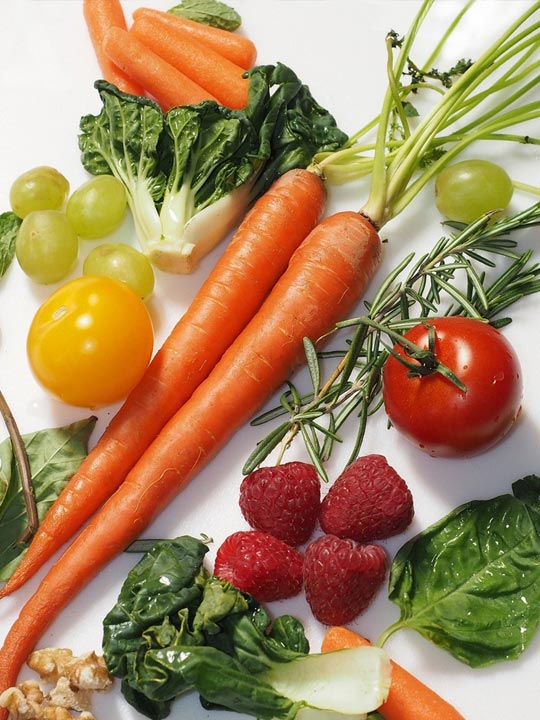
Winter carrots are richer in beta-carotene, a precursor to vitamin A essential for eye health and immunity. Research from NCBI confirms that beta-carotene absorption improves significantly when carrots are lightly cooked and paired with fat. Raw carrots, though healthy, may be harder to digest in winter. Light sautéing with ghee or oil makes them more bioavailable and gut-friendly.
5. Turmeric
Turmeric's active compound, curcumin, is widely studied for its anti-inflammatory and immune-modulating effects. However, curcumin has low natural absorption. Research published by NCBI shows that consuming turmeric with black pepper (piperine) and fat can increase absorption dramatically. In winter, turmeric is best consumed in warm milk or cooked dishes rather than raw, which aligns with both traditional and scientific recommendations.
6. Spinach and winter leafy greens
Leafy greens like spinach are rich in iron, folate, and antioxidants, but they also contain oxalates that can block mineral absorption. Studies indexed by NCBI suggest that light cooking reduces oxalate content, improving iron bioavailability. Consuming spinach lightly sautéed with garlic or lemon juice supports digestion and enhances nutrient uptake during colder months.
7. Sweet potatoes
Sweet potatoes are rich in complex carbohydrates, fibre, potassium, and antioxidants. Steaming or roasting sweet potatoes retains fibre and prevents rapid blood sugar spikes. Consuming them with the skin intact improves gut health and supports satiety during colder days when appetite tends to increase.
8. Dates
Dates are naturally warming and rich in iron, potassium, and polyphenols. Research indexed by NCBI suggests that soaking dates overnight improves mineral absorption and reduces digestive heaviness. Consuming soaked dates in the morning provides gentle energy without overwhelming digestion, making them particularly suitable in winter.
Winter superfoods are undeniably good for health but their benefits are maximised only when consumed correctly. Research supports the idea that preparation methods, food combinations, and timing play a crucial role in nutrient absorption. Eating seasonally, traditionally, and mindfully can help support immunity, digestion, and energy levels during colder months. In winter, it is not just what is eaten, but how it is eaten that truly matters.
Disclaimer: This content including advice provides generic information only. It is in no way a substitute for a qualified medical opinion. Always consult a specialist or your doctor for more information. NDTV does not claim responsibility for this information.
References
Seasonal Variation in Human Metabolism, National Institutes of Health (NIH), 2015
Bioavailability of Nutrients and Food Processing, National Center for Biotechnology Information (NCBI), 2014
Vitamin C Stability and Absorption, National Institutes of Health (NIH), 2017
Curcumin Bioavailability Enhancement, National Center for Biotechnology Information (NCBI), 2013
Dietary Guidelines for Indians, Indian Council of Medical Research (ICMR), 2020
Traditional Fats and Gut Health, National Institutes of Health (NIH), 2016