

)
For decades, people have been conditioned to believe that scrub typhus, a potentially fatal bacterial infection, is a 'farmer's disease', lurking only in the tall grasses of remote paddy fields or dense forests. If you weren't tilling the soil or trekking through the wilderness, you were safe. But a startling new study from South India has shattered this medical belief. The danger isn't just in the fields anymore; it is in your backyard, your kitchen garden, and quite possibly, your living room.
According to a comprehensive population-based cohort study (a longitudinal study looking at multiple individuals in a specific area) recently published in PLOS Neglected Tropical Diseases (2026), the landscape of scrub typhus transmission in India has shifted dramatically. The study is led by researchers from Christian Medical College (CMC) Vellore and international collaborators; it suggests that the bulk of infections are now occurring within human settlements.
Here is why this 'silent killer' is hitting closer to home than ever before and what you need to know to protect your family.
The Shift From Farm To Household
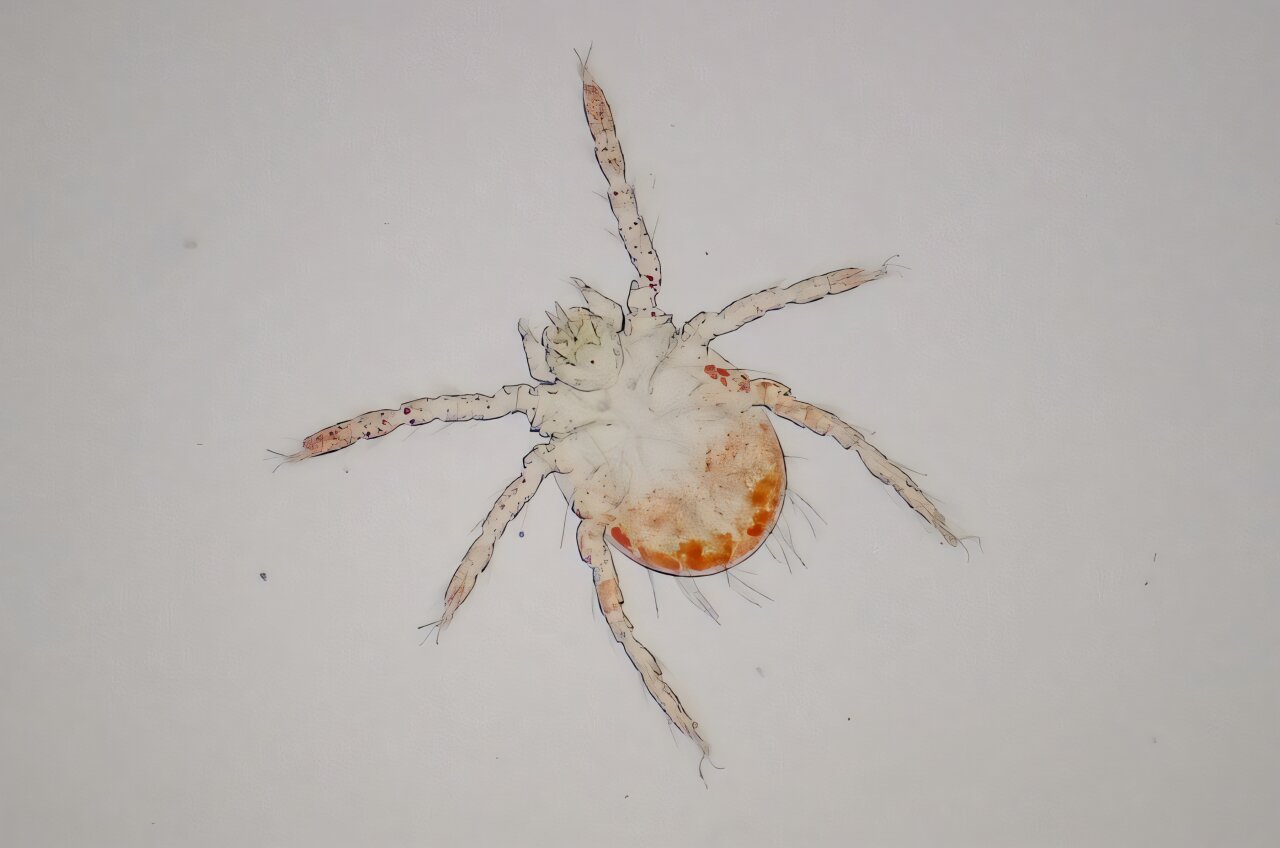
Scrub typhus is caused by the bacterium orientia tsutsugamushi and is transmitted through the bite of microscopic larval mites, commonly known as "chiggers". Historically, these chiggers were thought to stay confined to "scrub" vegetation. However, the 2026 CMC Vellore study, which monitored over 32,000 individuals in Tamil Nadu, found that agricultural activities, long considered the primary risk factor, were only weakly associated with the disease in high-prevalence areas.
Instead, the risk was significantly higher for those living in houses clustered together or homes with fewer rooms. This suggests that the microenvironment around the residences, unmaintained garden patches, woodpiles, or even the damp corners of a courtyard have become the new breeding ground for the mites and the rodents that carry them.
The Gender And Age Effect
In a traditional "occupational disease", you would expect working-age men to be the most affected. Yet, the data tells a different story. The study highlights that women and the elderly (those over 60) are at a disproportionately higher risk of infection.
These groups often spend more time in and around the home. Whether it's tending to a small kitchen garden, cleaning storage areas, or sitting in shaded outdoor spots, these domestic activities are now the primary points of contact with infected chiggers. For the Indian homemaker, the living room environment has become a frontline of exposure.
The Economic Toll Of The 'Catastrophic' Fever
What makes scrub typhus particularly devastating in India is its financial "aftershock." While the infection is treatable with inexpensive antibiotics like doxycycline if caught early, the reality is often much darker.
The CMC Vellore research reveals that nearly 10% of affected households faced 'catastrophic health expenditure', exceeding 25% of their annual income. Because the initial symptoms, like fever, headache, and muscle pain, mirror common viral flu or dengue, many patients first seek help from untrained practitioners or local pharmacies. By the time they reach a hospital, the disease has often progressed to severe complications like ARDS (Acute Respiratory Distress Syndrome), kidney failure, or meningoencephalitis.
For severe cases, the cost of treatment can skyrocket to approximately over INR 110,000, a staggering sum for rural and peri-urban families earning a fraction of that monthly.
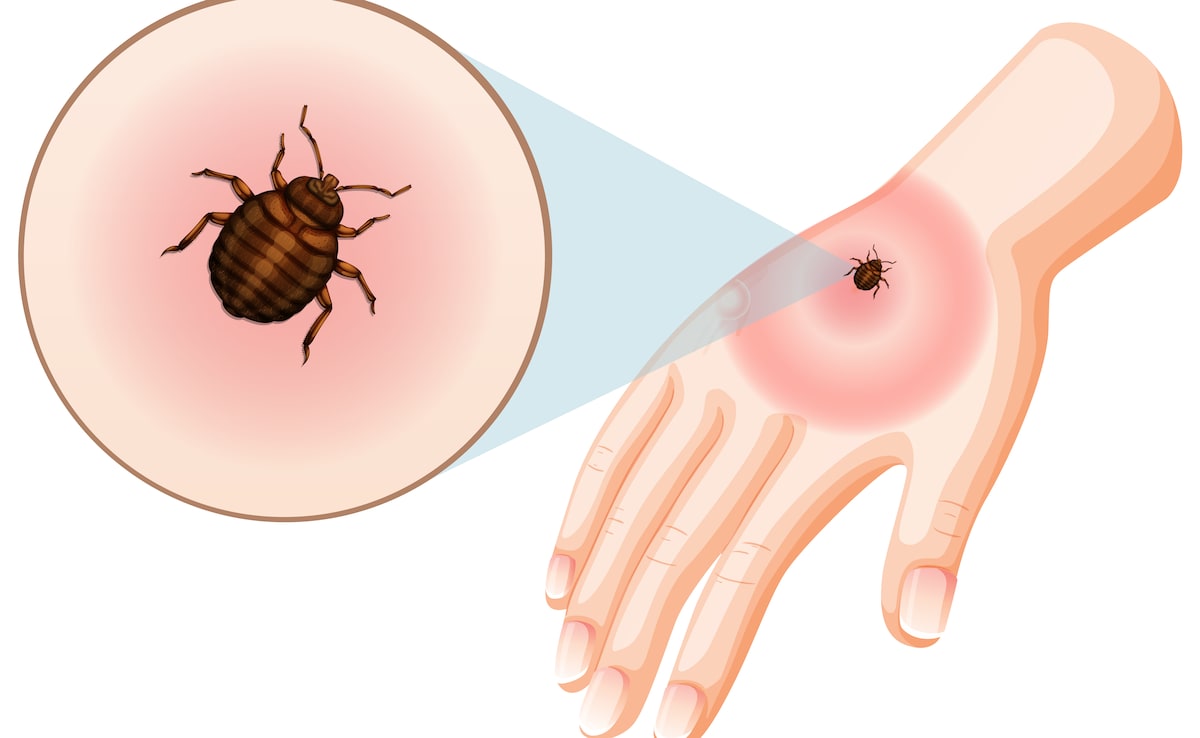
Mite bite
Photo Credit: Freepik
The Importance Of The 'Eschar'
One of the most critical diagnostic clues is the "eschar", which is a small, dark, cigarette-burn-like scab left at the site of the mite bite. Because the bite is painless, it often goes unnoticed. The study emphasises that early case recognition is the only way to prevent hospitalisation and death. In fact, while the case fatality rate in this study was 1.5%, hospital-based studies in South India have previously recorded mortality rates as high as 9% to 30% when treatment is delayed.
Science-Backed Tips To Protect Your Home
As this fever moves from the fields to our doorsteps, your prevention strategy must change. Here are the science-backed steps every Indian household should take:
- Clear the scrub near your door by not letting the grass grow tall around your house. Tightly maintain kitchen gardens and remove piles of wood or debris where rodents (the primary hosts for mites) might nest.
- Follow the ground level rule as chiggers are usually found close to the ground. If you are sitting outdoors, avoid sitting directly on the grass or soil. Use chairs or mats, and ensure children wear socks and full-length trousers while playing in the yard.
- Check for the mark as if anyone in the family develops a high fever, do a thorough 'skin check' for an eschar, especially in warm, moist areas like the armpits, groin, or behind the knees.
- Early intervention is necessary, as if a fever lasts more than two days, don't just treat it as a 'season change'. Consult a qualified doctor and specifically ask about scrub typhus. Early administration of doxycycline can be life-saving.
Scrub typhus is no longer a distant threat to the rural labourer. It is an urbanising, domestic challenge that thrives in the very spaces where you can feel safest. As the CMC Vellore study concludes, the environment around places of residence is now the key to controlling this epidemic.
It's time to stop looking at the fields and start looking at your own living rooms. As awareness is the only vaccine available.
Disclaimer: This content, including advice, provides generic information only. It is in no way a substitute for a qualified medical opinion. Always consult a specialist or your own doctor for more information. NDTV does not claim responsibility for this information.