

)
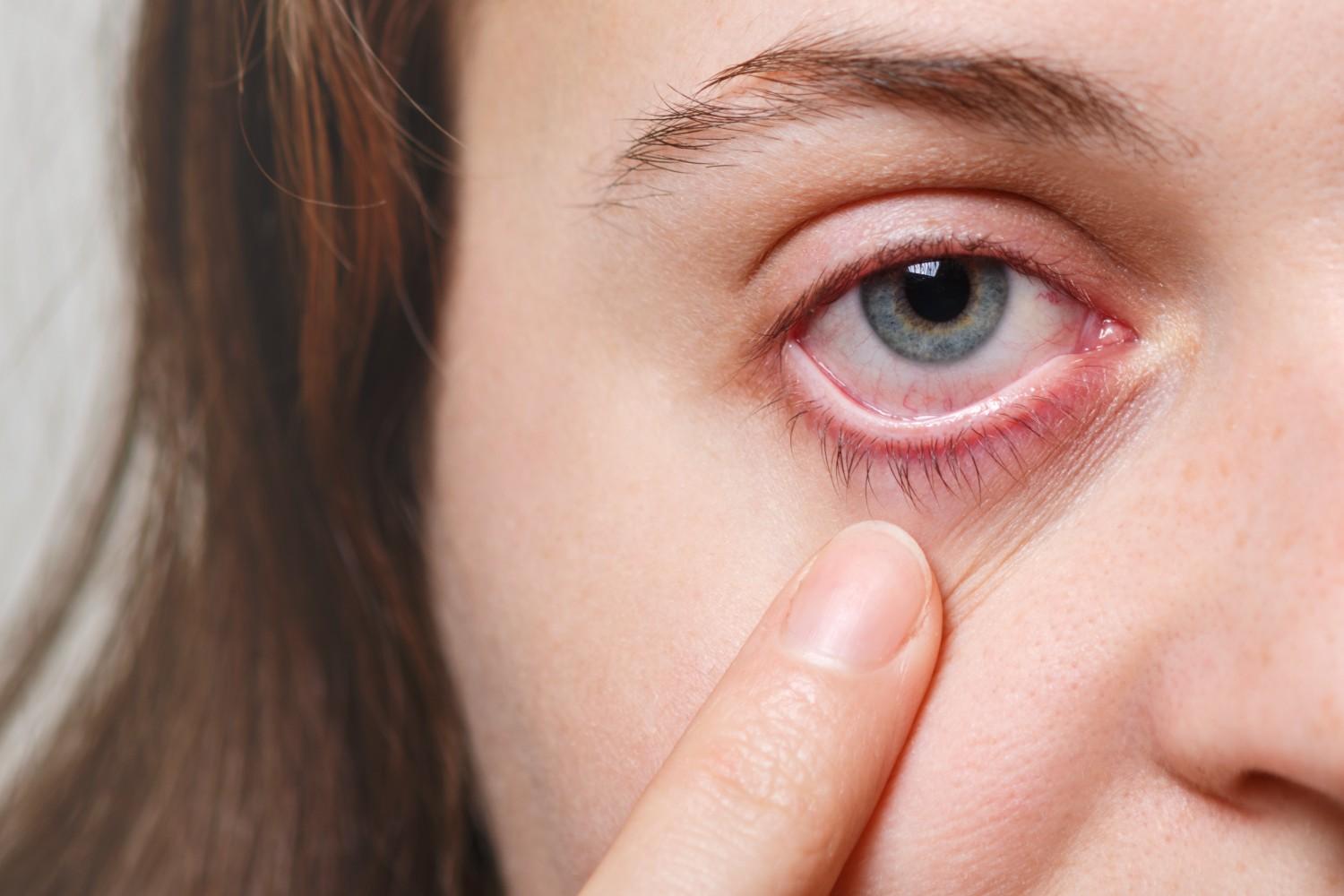
Seeing a bright red patch in the white part of your eye can be alarming. Many people fear it might be a serious eye problem, but in most cases it is harmless. This condition is known as Subconjunctival Hemorrhage. According to a study, subconjunctival hemorrhage is of two main types: traumatic and spontaneous. A traumatic subconjunctival hemorrhage arises from direct injury to the eye, such as vigorous rubbing, ocular surgery, or contact lens use. In contrast, a spontaneous (non-traumatic) subconjunctival hemorrhage occurs without obvious external trauma, often triggered by coughing, sneezing, or vomiting. This type is more frequently associated with underlying systemic conditions, including hypertension, diabetes, or bleeding disorders.
What Exactly Happens?
The white part of the eye you see is called the sclera, which is covered by a thin transparent layer known as the conjunctiva. Small, delicate blood vessels run through this layer. When one of these vessels' ruptures, blood becomes trapped beneath the conjunctiva. Because blood cannot spread easily, it appears like a bright red patch on the eye. Unlike infections or inflammation, this condition typically does not affect vision.
Also read: Winter Dryness To Chronic Eye Problems, Doctor Tells When To Seek Medical Care
Common Causes
Several everyday factors can lead to a subconjunctival hemorrhage. As per journal GMS Ophthalmology Cases, subconjunctival hemorrhage has been reported under various cases, including forceful coughing, sneezing, heavy lifting, bending, vomiting, or even standing on the head. It may also occur with the use of medications such as aspirin, nonsteroidal anti-inflammatory drugs (NSAIDs), warfarin (Coumadin), and heparin. Additionally, trauma, vigorous eye rubbing, and systemic conditions like diabetes, hypertension, or bleeding and clotting disorders can contribute to its recurrence.
Eye rubbing is another common cause. The delicate vessels in the conjunctiva can break when the eye is rubbed too vigorously. High blood pressure may also increase the risk by putting extra strain on tiny blood vessels. Similarly, people who take blood thinning medications may notice this condition more often. Sometimes the red patch appears without any obvious cause. In many cases, it simply happens spontaneously.
How Long Does It Take To Heal?
According to experts, most subconjunctival hemorrhages clear up naturally within one to two weeks. As the blood slowly breaks down and is reabsorbed, the red patch may change colour, turning yellow or slightly brown before disappearing. Unlike infections, there is usually no discharge, swelling, or severe pain. Artificial tears may help soothe mild irritation, but specific treatment is rarely required.
When Should You See A Doctor?
Although it is usually harmless, medical attention may be necessary if the condition occurs frequently or is accompanied by other symptoms. Seek medical advice if you notice repeated episodes, eye pain, blurred vision, swelling around the eye or if the red patch appears after an eye injury. A doctor may check blood pressure, review medications or examine the eye more closely to rule out underlying issues.
Can It Be Prevented?
While not all cases are preventable, certain habits may reduce the risk. Avoid rubbing your eyes aggressively, especially if they feel itchy or irritated. Managing allergies can also help prevent excessive rubbing. Keeping blood pressure under control and using protective eyewear during sports or physical work may protect delicate eye vessels. If you take blood thinning medications, regular health check ups can help ensure they are used safely.
Also read: World Sight Day 2025: How To Protect Your Eyes In A Screen-Obsessed Age
A sudden blood spot in the eye may frighten you, but it is often a harmless subconjunctival hemorrhage caused by a tiny broken blood vessel. In most cases, it clears up on its own without affecting vision. However, if it happens repeatedly or is accompanied by pain or vision changes, a medical evaluation is important.
Disclaimer: This content, including advice, provides generic information only. It is in no way a substitute for a qualified medical opinion. Always consult a specialist or your own doctor for more information. NDTV does not claim responsibility for this information.