

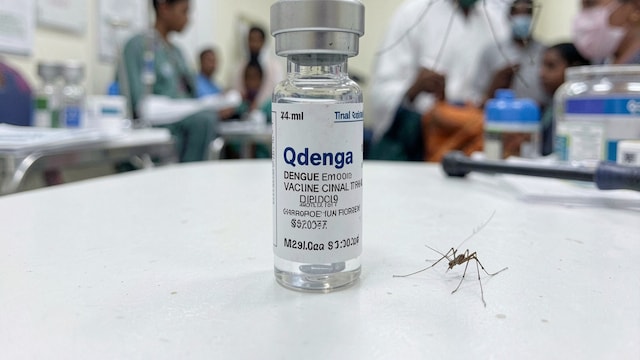
India's fight against dengue may be entering a new phase, with Tamil Nadu launching a pilot initiative to assess the effectiveness of a dengue vaccine in Kadayanallur, a town in Tenkasi district that has experienced a significant burden of the mosquito-borne disease. The initiative focuses on Qdenga, a vaccine developed by Japanese pharmaceutical company Takeda, and could help inform decisions about whether dengue vaccination should be expanded to other parts of the country.
According to reports, Tamil Nadu Health Minister K.G. Arunraj announced the initiative on October 17, 2026. The state has partnered with the Indian Council of Medical Research's National Institute of Epidemiology to study the vaccine's impact, with the findings expected to guide future public health decisions.
The development comes as dengue continues to pose a seasonal public health challenge across India, particularly during and after the monsoon, when mosquito breeding conditions become favourable. Although the Qdenga vaccine offers a potential additional tool for prevention, its effectiveness, safety, target population and suitability for different epidemiological settings need careful assessment. The World Health Organization (WHO) recommends dengue vaccination only in specific high-transmission settings and age groups, alongside mosquito control and appropriate clinical care.
Tamil Nadu Launches Dengue Vaccine Pilot In Kadayanallur
Tamil Nadu has selected Kadayanallur for the pilot initiative because the area has experienced substantial dengue infections and deaths in previous years, according to statements attributed to Health Minister K.G. Arunraj in news reports.
The state government aims to assess the vaccine's effectiveness in a setting where dengue represents a significant public health concern. Scientists associated with the ICMR's National Institute of Epidemiology are expected to study the vaccine's impact, with the results helping authorities evaluate the feasibility of wider implementation.
The initiative is significant because introducing a vaccine into a public health programme requires more than establishing that it can prevent infection. Authorities also need evidence on how well it performs under local conditions, which population groups are most likely to benefit, how long protection lasts and whether the programme can be implemented safely and equitably.
According to reports, the state plans to consider expansion to other areas after assessing the findings from Kadayanallur. The reported announcement marks an important step towards evaluating dengue vaccination as an additional public health intervention in India.
READ | India Gets Its First Dengue Vaccine, QDENGA: Effectiveness, Doses, Eligibility Explained
What Is Qdenga, The Dengue Vaccine?
Qdenga, also known as TAK-003, is a live-attenuated dengue vaccine developed by Takeda. It contains weakened versions of the dengue virus and is designed to protect against all four dengue virus serotypes: DENV-1, DENV-2, DENV-3 and DENV-4.
Dengue is caused by four closely related virus serotypes, transmitted primarily through the bite of infected Aedesmosquitoes. Infection with one serotype does not provide complete protection against the others. A subsequent infection with a different serotype can increase the risk of severe dengue in some people.
According to the WHO, Qdenga received WHO prequalification in May 2024. The WHO recommends its use in children aged six to 16 years in settings with high dengue burden and transmission intensity. The recommended schedule consists of two doses administered three months apart.
The vaccine does not prevent every dengue infection, and protection can vary according to factors such as the infecting serotype and whether an individual has previously been exposed to the virus.
The minister's announcement reportedly stated that India's Central Drugs Standard Control Organisation had approved the vaccine for use in people aged four to 60 years. However, regulatory approval and WHO recommendations for public health programmes are not interchangeable. Eligibility, contraindications and the appropriate vaccination strategy must be determined in accordance with current Indian regulatory guidance and clinical advice.
How Effective Is The Dengue Vaccine?
The Tamil Nadu initiative is intended to generate evidence about the vaccine's performance in the local population. The minister has cited estimates of 80% protection following the two-dose schedule. Such figures should not be interpreted as a guarantee that every vaccinated person will be protected against dengue.
The WHO's assessment of Qdenga takes into account differences in vaccine performance across age groups, dengue serotypes and previous exposure to the virus. Its recommendations are specifically directed at children aged six to 16 years living in areas with high dengue transmission intensity.
The WHO does not recommend routine programmatic use in children younger than six years, partly because of lower observed efficacy in this age group. It has also highlighted evidence gaps concerning protection against certain serotypes in people who have never previously been infected.
These distinctions are important for India, where dengue transmission varies considerably between states, districts and communities. Findings from Kadayanallur could contribute to understanding how vaccination performs in a high-burden setting, but they would need to be interpreted alongside broader clinical evidence, safety monitoring and the population selected for vaccination.
Why Dengue Prevention Remains Important In India
Dengue can cause high fever, headache, muscle and joint pain, nausea and rash. In some patients, the illness can progress to severe dengue, involving plasma leakage, bleeding, shock or organ impairment. Warning signs may emerge as the fever begins to subside, making timely medical assessment important.
India faces recurring dengue outbreaks, with the intensity and timing of transmission influenced by rainfall, temperature, urbanisation, water storage practices and inadequate drainage. Stagnant water in containers, discarded tyres, flowerpots and other household or neighbourhood receptacles can provide breeding sites for Aedes mosquitoes.
The consequences extend beyond individual illness. Outbreaks can place pressure on hospitals, increase household healthcare expenses and affect school and workplace attendance. Families may also face difficulties accessing timely diagnosis and treatment during periods of high transmission.
A vaccine could provide an additional layer of protection, particularly in areas where dengue transmission is intense. However, vaccination cannot replace environmental measures or prompt clinical care.
READ | India Has A Dengue Vaccine. Now It Needs A Strategy
Mosquito Control And Early Treatment Remain Essential
Alongside the vaccine initiative, Tamil Nadu is also examining whether mosquito repellents applied to the skin and electric vaporisers can help protect people against mosquito bites, according to reports on the minister's announcement.
This reflects the need for an integrated approach to dengue prevention. The WHO recommends combining vaccination, where appropriate, with vector control, effective case management, community education and public participation.
Households can reduce mosquito breeding by emptying and cleaning water containers regularly, covering stored water, removing discarded objects that collect rainwater and using appropriate mosquito protection. Local authorities also have a role in surveillance, source reduction and timely public communication.
Anyone experiencing symptoms suggestive of dengue should seek medical advice, particularly if symptoms worsen or warning signs develop. Severe abdominal pain, persistent vomiting, bleeding, unusual drowsiness or restlessness, and breathing difficulties require urgent medical assessment. Patients should avoid self-medicating with aspirin or ibuprofen when dengue is suspected because these medicines can increase bleeding risk.
Tamil Nadu's dengue vaccine initiative in Kadayanallur could provide valuable evidence for India's future vaccination strategy, particularly in areas with a high burden of infection. However, wider implementation will depend on careful evaluation of effectiveness, safety, eligibility and local transmission patterns. For Indian families, the immediate message remains clear: vaccination may become an important additional tool, but mosquito control, early recognition of warning signs and timely medical care remain central to preventing severe dengue and deaths.
Disclaimer: This content including advice provides generic information only. It is in no way a substitute for a qualified medical opinion. Always consult a specialist or your own doctor for more information. NDTV does not claim responsibility for this information.