

)
About 589 million people between the ages of 20 and 79 who are dealing with diabetes, according to the International Diabetes Federation. Most of these people who have a diagnosis are on medication to manage their symptoms, but it remains one part of the prescribed diabetes management plan. Mainly, diet, physical activity level, sleep quality, and stress play an important role in regulating blood sugar. Medically, doctors prescribe diabetes medication when people are unable to manage their blood sugar with lifestyle changes and their blood sugar levels fail to be above target. The complete assessment of blood sugar also depends on the 3-month average blood sugar levels, weight, heart disease risk, kidney disease, and other health conditions.
Can Blood Sugar Rise Even If You Take Diabetes Medicines?
Yes, it can, as it has been mentioned in the Diabetes Journal, as multiple factors influence blood sugar. The use of targeted medicine can control your blood sugar levels, but if they can rise and fall abruptly, then much more is needed. This is only possible through continuous monitoring of blood glucose levels.
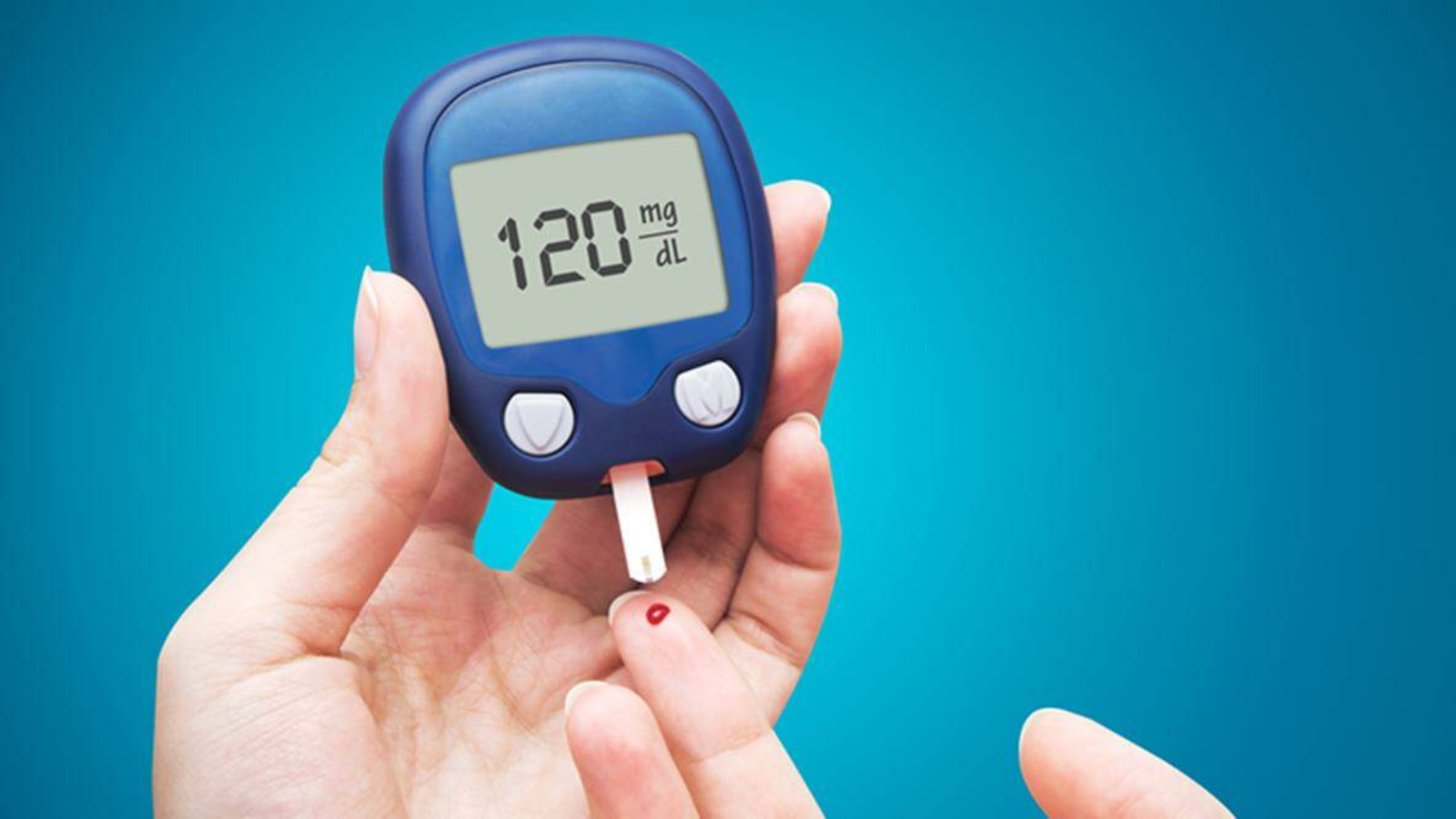
Several reasons behind a rise in blood sugar could make your diabetes management much more difficult. In order to control it, you need to focus on your blood sugar levels by using an at-home blood glucose monitor to know exactly when it rises and falls.
Dr Akshay Chugh, Consultant in Internal Medicine at Metro Hospital and Heart Institute, Sector 11, Noida, explains, "Taking diabetes medication regularly does not necessarily mean that blood sugar will remain stable throughout the day. Many patients are surprised when they see a sudden spike despite not missing their medicines. This can happen because blood sugar is influenced by several factors beyond medication, including what and when we eat, portion sizes, physical activity, sleep, stress and even an ongoing infection."
He adds, " One of the most common reasons is diet. Foods high in refined carbohydrates and sugars can cause glucose levels to rise quickly. Sometimes, even foods that we consider healthy can lead to a spike if the portion is large or the meal is predominantly carbohydrate-based. Pairing carbohydrates with protein, fibre and healthy fats, along with being mindful of portions, can help maintain blood glucose levels."
7 Reasons Your Blood Sugar May Still Spike
1. Eating Too Many Refined Carbohydrates
If you consume too many refined carbohydrates, then your blood sugar can spike suddenly as your intake of hidden added sugars rises. These refined carbohydrates can be white rice, sweets, sugary beverages, and baked goods whose intake needs to be balanced.
2. Medication Timing Errors
The Diabetes Journal has found that when diabetics miss their doses as medically prescribed, their blood sugar levels can rise and fall unexpectedly. If you take your diabetes medication at the wrong time, then the negative impact on your blood sugar levels is possible.
Another important aspect that most people with diabetes miss is paying attention to what is on their plate.
3. Insulin Resistance Has Increased
When there is active insulin resistance in your body, the pancreas secretes excess insulin that isn't being absorbed by your blood vessels. If you gain weight or reduce your daily physical activity, then your diabetes could get worse over time.
4. Stress And Poor Mental Health
If there is continuous stress present in your life that can't be actively managed by exercising or focusing on nervous system regulation techniques, then your blood sugar levels could be impacted.
An excess of cortisol can raise your blood sugar levels, and this can be made worse if anxiety and emotional stress are added to it.
5. Poor Sleep Quality
The Cureus Journal has pointed out that the quality of your sleep, or lack of 7 to 9 hours of sleep, can affect your insulin sensitivity levels. People who have type 2 diabetes suffer from sleep quality issues, which can affect their overall quality of life.
6. Illness Or Infection
The presence of fever, infections, or an illness can make your body inflamed, and it could lead to an increase in glucose levels. If you are diabetic and on medication, then you need to continuously monitor your blood sugar to be safe.
7. The Dawn Phenomenon
The dawn phenomenon refers to a common occurrence where your blood glucose levels rise between 3:00 and 8:00 am as your body naturally releases hormones. Namely, cortisol, growth hormones, glucagon, and epinephrine are behind an increase in glucose levels as well as insulin resistance.
If you are on medication for diabetes, then your morning blood sugar levels when an at-home blood monitor is used can show a rise. In this situation, a doctor consultation is needed, as diabetics need individualised care.
Lifestyle Habits That Can Make Medicines Less Effective
Diabetics on medication can suffer from issues with their blood sugar management if their lifestyle doesn't align with the requirements for a positive effect. Multiple lifestyle habits can cause an impact on your blood glucose, as your current lifestyle could not support its management.
1. Lack Of Physical Activity
When your daily physical movement is less than what your body needs, then more glucose remains in your bloodstream. This can increase your blood sugar over time and even worsen insulin resistance in people who are struggling with prediabetes and type 2 diabetes. The Diabetes Journal has pinpointed that your muscles need to be active to absorb the blood sugar secreted in your body.
2. Irregular Meal Patterns
If you skip your meals and don't eat your food on time, then your risk of diabetes, even for those who are on medication can worsen. If diabetes has already been diagnosed, then skipping meals is an invitation for insulin resistance to worsen.
And if proper mealtime is skipped, then you could end up eating too much at the end of the day, causing a higher blood sugar spike than normally happens.
" Timing also matters. Some people experience higher glucose levels in the morning due to the body's natural hormonal changes, often referred to as the 'dawn phenomenon'. Stress and inadequate sleep can also increase hormones such as cortisol, which can make it more difficult for the body to regulate blood glucose. Similarly, an infection or illness can temporarily push sugar levels higher even when a person is eating normally and taking medicines as prescribed, explains Dr Akshay Chugh.
3. Excess Alcohol Consumption
The Diabetes Journal has found that blood sugar control is negatively impacted by those who drink excessive amounts of alcohol. Medical research has also found that medication such as insulin or sulfonylureas could interfere with blood sugar regulation.
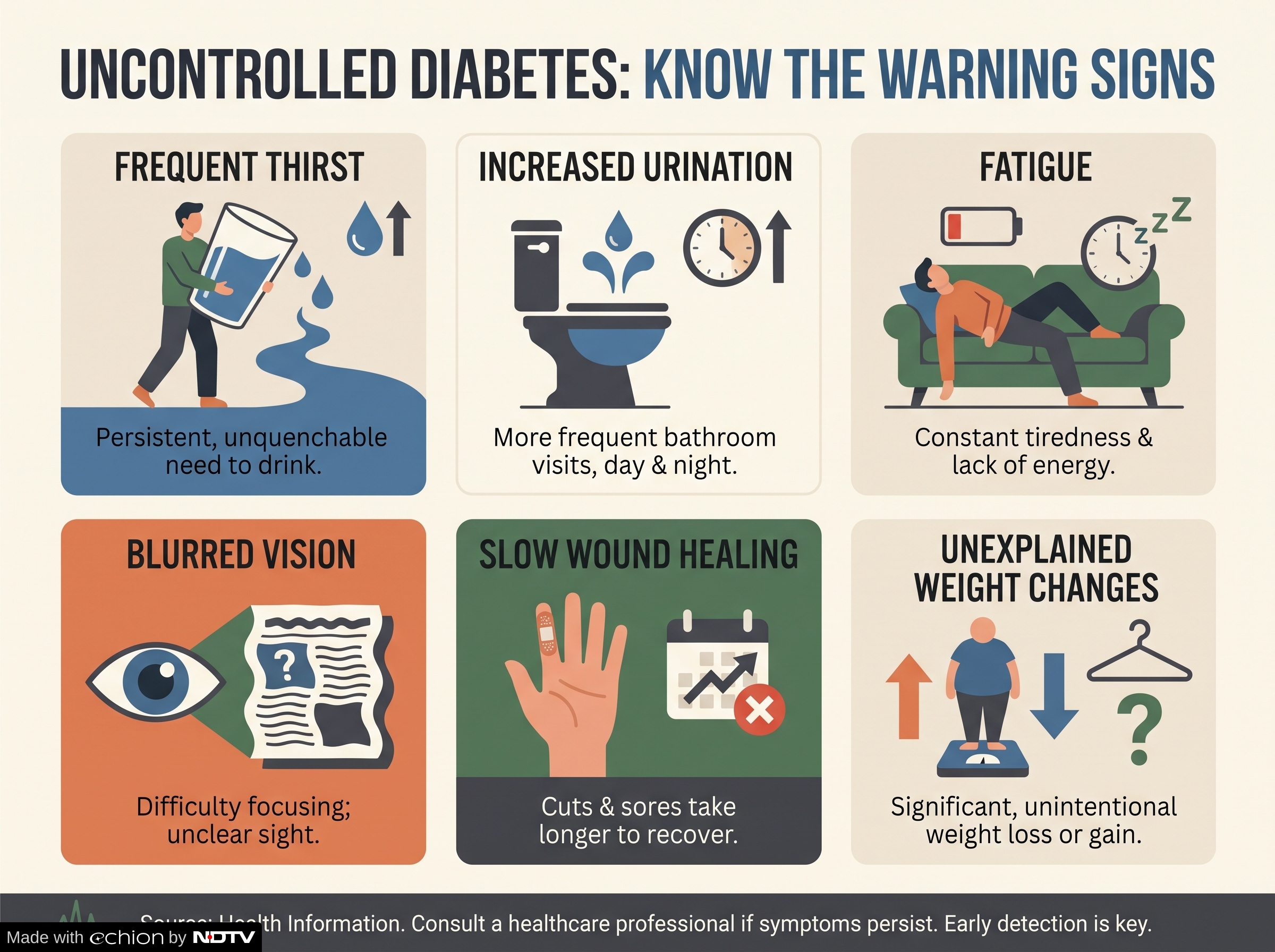
Warning Signs That Your Diabetes May Not Be Well Controlled
If your body is presenting with signs that are out of the ordinary, then you need to be aware of why they may be happening.
- Frequent thirst
- Increased urination
- Fatigue
- Blurred vision
- Slow wound healing
- Unexplained weight changes
Note: Your environment and where you spend most of your time working or studying could also influence any of the above signs.
When Should You Talk To Your Doctor?
Dr Akshay Chugh pinpoints, “ Another important factor is that diabetes changes over time. A medicine or dose that worked well earlier may not always provide the same level of control as the condition progresses or if there are significant changes in weight, lifestyle, or other health parameters. This does not mean that the medicine has suddenly ‘stopped working', but it may indicate that the treatment plan needs to be reviewed.”
He also says, “ An occasional spike is different from consistently high blood sugar. If readings are frequently above the target range despite taking medication regularly, patients should discuss this with their doctor rather than changing the dose or adding medicines themselves. Looking at the pattern of glucose readings, diet, activity and other health factors together can often help identify what is causing the spikes and whether the treatment needs to be adjusted.”
You should seek a doctor's consultation if your blood sugar levels are constantly elevated and you may be experiencing:
- Persistently high glucose readings on the at-home blood glucose monitor.
- Rising HbA1c levels, which can have an impact on your blood sugar directly.
- Recurrent hyperglycaemia despite sticking to your diabetes management plan.
A need for medication adjustment or additional testing is needed, as diabetics can suffer from constant issues with their blood sugar levels.
Tips To Prevent Blood Sugar Spikes
Blood sugar spikes can also be prevented by following simple tips that could help you gain control over your own blood sugar levels. Here are the tips to follow:
- Pair carbohydrates with protein and fibre intake daily.
- Stay physically active after meals, as it can influence 24-hour blood sugar control.
- Take medicines exactly as prescribed for maximum health impact.
- Maintain healthy sleep habits that involve proper sleep hygiene before you fall asleep and right after you wake up.
- Manage stress effectively, as it can easily override your blood sugar levels if left ignored.
- Track blood sugar trends to know when you need to control and seek a doctor consultation.
Those who are on diabetes medicine can still suffer from blood sugar spikes if they ignore their lifestyle, physical activity levels, and daily dietary choices.
Also Read: Blood Sugar Spikes Despite Healthy Diet And Medication: Nutritionist Reveals Unique Case
Disclaimer: This content including advice provides generic information only. It is in no way a substitute for a qualified medical opinion. Always consult a specialist or your own doctor for more information. NDTV does not claim responsibility for this information.