

)
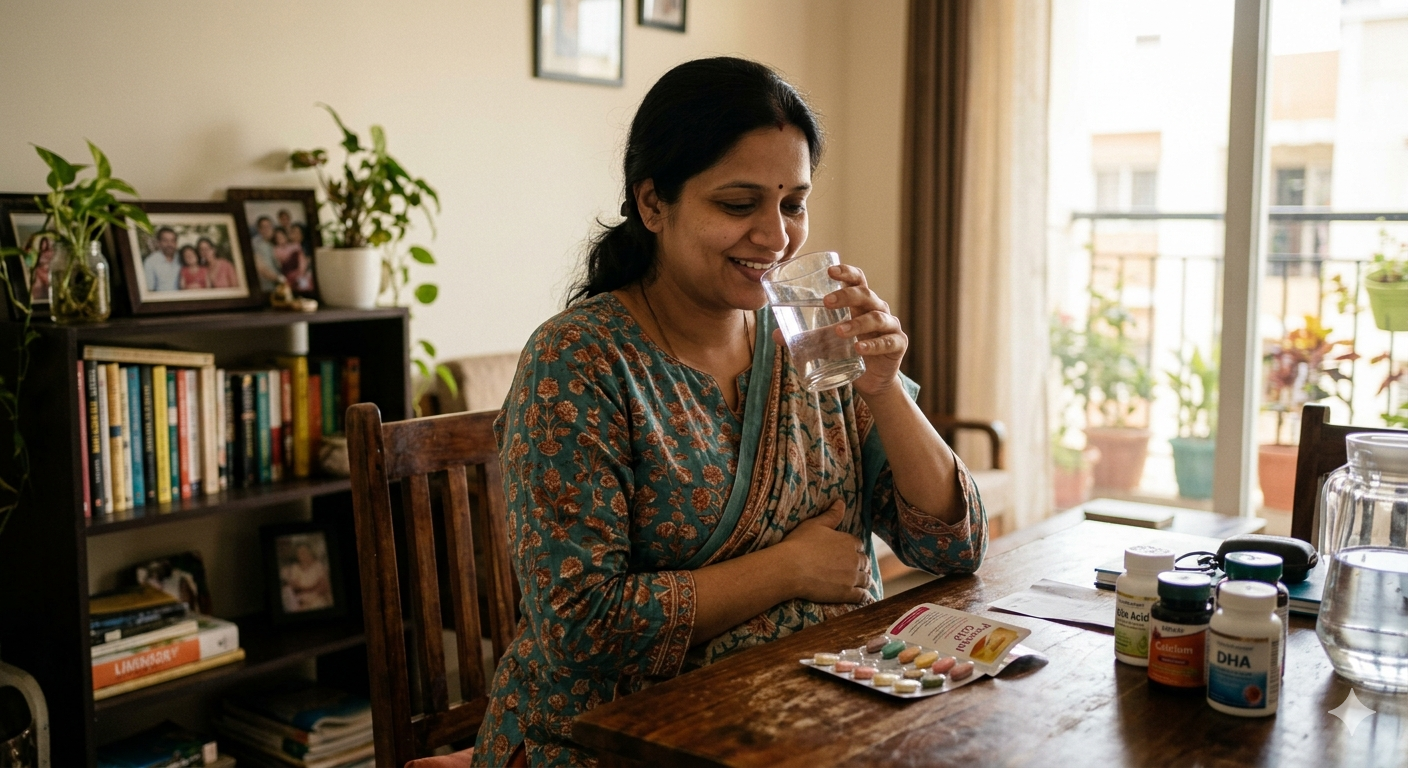
Pregnancy is a remarkable journey filled with excitement, anticipation, and a whirlwind of changes. As a woman's body adapts to nurture a new life, the necessity for proper nutrition becomes paramount. Eating right during pregnancy is essential, as the nutrients consumed directly influence both the mother's health and the developing baby's growth. A balanced diet rich in fruits, vegetables, whole grains, proteins, and healthy fats is crucial. These foods provide essential vitamins and minerals that support fetal development. Key nutrients like folate, calcium, and omega-3 fatty acids contribute to fetal brain and bone development, while proteins are vital for building the baby's tissues. However, with the increased demands of pregnancy, many women find it challenging to meet all their nutritional needs solely through diet. This is where supplementation plays a significant role.
During pregnancy, women often require higher levels of certain nutrients than they did before. For instance, iron is a common supplement prescribed to pregnant women. It helps support increased blood volume and is essential for the baby's oxygen supply. However, iron is just one of several important nutrients that pregnant women may need in supplemental form.
Supplements beyond iron that women must consume during pregnancy
1. Folic acid
Folic acid is one of the most critical supplements, ideally starting three months before conception. It is essential for early cell division and preventing neural tube defects (NTDs) like spina bifida.
2. Vitamin D
Vitamin D, essential for calcium absorption and bone health, is often deficient in many diets and can be supplemented to facilitate healthy development. Additionally, it regulates calcium and phosphate, ensuring the baby's bones, teeth, kidneys, and heart develop correctly. On the other hand, deficiency is linked to higher risks of preeclampsia and gestational diabetes.
3. Calcium
Calcium is another vital supplement during pregnancy. It supports the development of the baby's bones and teeth, while also helping to maintain the mother's bone density. If women do not consume enough calcium-rich foods like dairy, leafy greens, or fortified alternatives, a calcium supplement might be necessary.
Remember, do not take calcium and iron at the same time, as calcium can block iron absorption. Maintain at least a 2-4 hour gap between them.
4. Omega-3 fatty acids
Omega-3 fatty acids, particularly DHA, are critical for fetal brain development. While these acids are commonly found in fish, many women are advised to limit their intake of certain types of fish due to mercury content. Therefore, omega-3 supplements, often derived from algae, can be a beneficial option.
Safety tips:
While these supplements are essential, safety is paramount when considering supplements during pregnancy.
- Always discuss with your doctor before starting any supplement, as your specific needs depend on your blood work and health profile.
- More is not necessarily better when it comes to vitamins and minerals. Excessive amounts can lead to toxicity and adverse effects. Stick to the recommended dosage provided by your healthcare professional.
- Keep yourself educated about the nutrients you may need. Research and discuss with your healthcare provider to understand how these nutrients support both your health and your baby's development.
- Pregnant women should never consider taking any form og herbal supplements.
In conclusion, while iron is a well-known and vital supplement for pregnant women, it is essential to recognise the importance of a broader range of nutrients. By prioritising a nutritious diet complemented by proper supplementation, women can help ensure a healthier pregnancy and, ultimately, a healthy start for their little ones. Always remember to consult with healthcare professionals for tailored advice and support throughout this incredible journey.
Disclaimer: This content including advice provides generic information only. It is in no way a substitute for a qualified medical opinion. Always consult a specialist or your own doctor for more information. NDTV does not claim responsibility for this information.