

)
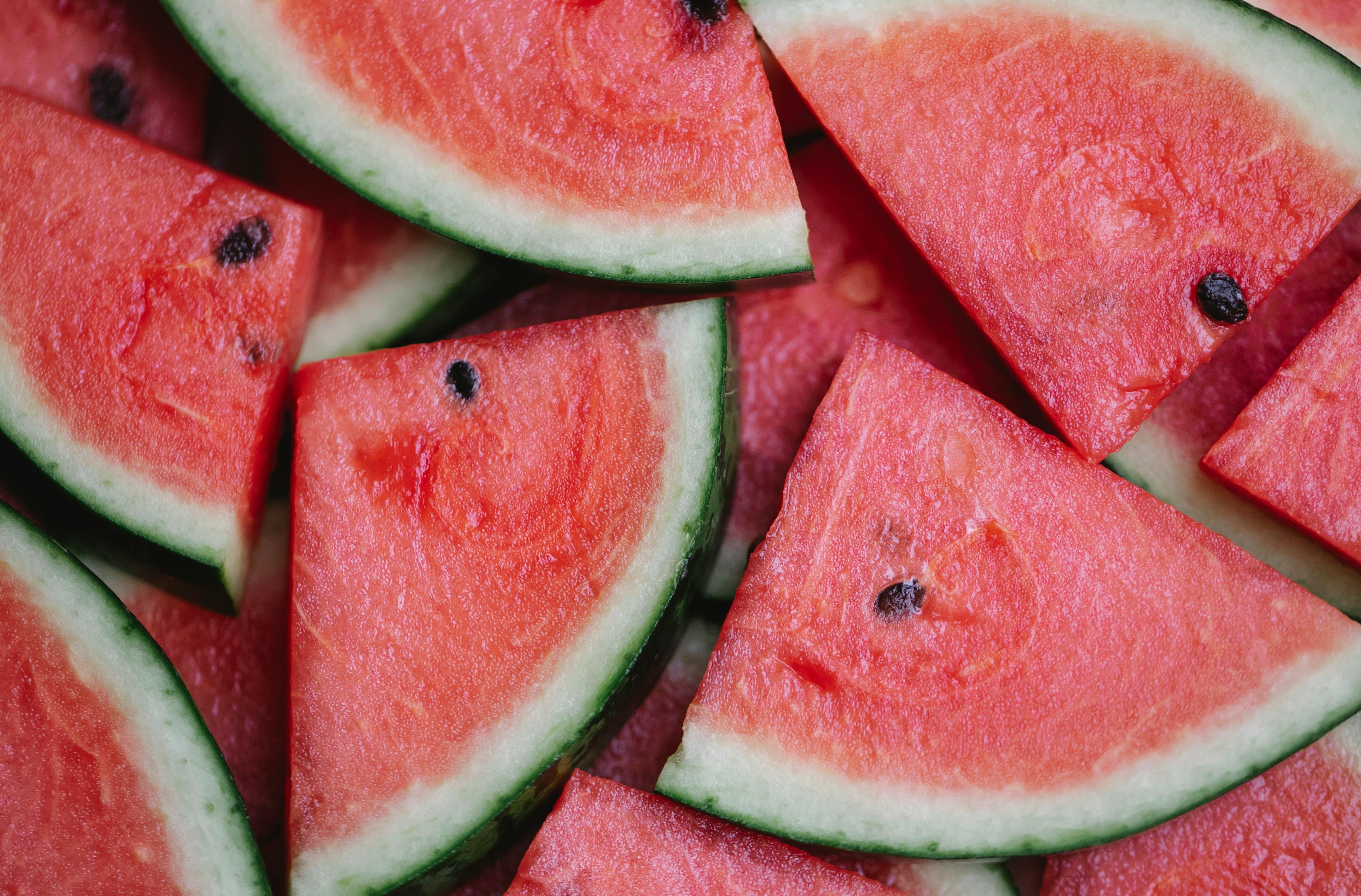
Watermelon, a large, sweet, and highly hydrating fruit, is also known as the “summer's best friend”. The red, pink, or yellow flesh is highly prized for its sweet, watery, and crisp pulp, which is commonly eaten as a refreshing snack, used in fruit salads, or made into juice to beat the hot, humid weather. The fruit is also recommended for being a good source of vitamins A and C, along with nutrients like lycopene, which acts as an antioxidant.
But after indulging in the pulpy portion, do you also throw out the hard, striped, solid green rind attached to a thin layer of white flesh? Nutritionist Lovneet Batra recommends not to do so. According to her, the rind is edible and can be pickled. She writes, “Most people eat the red flesh and discard the white rind. But that 'waste' is actually a hidden nutritional asset.”
In the video, she shared, “Stop throwing this part of the watermelon. It is actually more powerful than the part that you do eat,” adding, “The white part of the watermelon contains Citrulline,” a powerful amino acid first identified in watermelon, which in the body, converts to arginine that further produces nitric oxide.
She then lists the beneficial properties of the same, which are as follows:
- It is excellent for your heart health.
- It helps support the health of your blood vessels and better blood flow.
The White Rind Of Watermelon Is Rich in L-Citrulline
According to Lovneet, this contains:
- Fibre
- Vitamin C
- Vitamin B6
- Riboflavin
- Vitamin A precursors
- Additional phytonutrients
L-Citrulline supports:
- Better blood circulation
- Relaxed blood vessels
- Improved vascular function
- Heart health
How to Actually Use the Rind
She advises using it in several ways, which are both delicious and easy to prepare. These are:
- Add to smoothies
- Make chutney
- Stir-fry with spices
- Pickle it
“What you're throwing away could be supporting your circulation, gut health, and overall metabolism,” she concluded encouraging people not to throw away the white rind of watermelon.
Disclaimer: This content including advice provides generic information only. It is in no way a substitute for a qualified medical opinion. Always consult a specialist or your own doctor for more information. NDTV does not claim responsibility for this information.