

)
Skin cancer has long been seen as a disease that mainly affects older people. However, doctors are now seeing more cases among younger adults, especially those in their 20s, 30s, and 40s. While the overall risk still increases with age, changing lifestyles, higher exposure to harmful ultraviolet (UV) rays, and frequent use of tanning devices in some countries have led to the surge of skin cancer in young adults.
The good news is that many skin cancers can be prevented or treated successfully if detected early. Understanding the risk factors, spotting the warning signs, and taking simple protective measures can make a significant difference. Protecting your skin should become part of your daily routine if you aim to prevent skin cancer. Here is what you should know about skin cancer in young adults.
Why Are Skin Cancer Cases Rising Among Young Adults?
Several factors are driving the increase in skin cancer among younger people. One of the biggest reasons is greater exposure to UV radiation from the sun. Spending long hours outdoors without proper protection, especially during peak sunlight hours, increases the risk of skin damage.
In many parts of the world, the use of tanning beds has also been linked to higher risk of skin cancer, particularly melanoma, which is the most dangerous form of the disease. Although tanning beds are less common in India, excessive sun exposure during outdoor work, sports, or travel remains a concern.
Doctors also point to changing lifestyles. Outdoor fitness activities, vacations in sunny destinations, and a preference for tanned skin in some cultures may increase UV exposure.
What Causes Skin Cancer?
Skin cancer develops when skin cells are damaged, mainly due to repeated exposure to ultraviolet radiation. Over time, this damage can cause cells to grow abnormally and form cancer. Some common risk factors include:
- Frequent sunburns, especially during childhood or adolescence
- Spending long hours in direct sunlight without sunscreen or protective clothing
- Having fair skin, light-coloured eyes, or light hair
- A family history of skin cancer
- Having many moles or unusual-looking moles
- A weakened immune system due to illness or medications
- Exposure to certain chemicals or previous radiation treatment
- Although people with lighter skin are generally at higher risk, skin cancer can affect people of every skin tone
Common Types of Skin Cancer
There are three major types of skin cancer.
- Basal Cell Carcinoma (BCC): This is the most common type. It usually grows slowly and rarely spreads to other parts of the body. It often appears as a shiny bump, pink patch, or sore that does not heal.
- Squamous Cell Carcinoma (SCC): This type may appear as a rough, scaly patch or a firm red bump. It can spread if left untreated but is often highly treatable when detected early.
- Melanoma: Although less common, melanoma is the most severe form of skin cancer. It develops in pigment-producing cells and can spread quickly to other organs if not diagnosed and treated early.
Warning Signs You Should Not Ignore
Early detection greatly improves treatment outcomes. You should consult a doctor if you notice:
- A new mole or skin growth that looks unusual
- A mole that changes in size, shape or colour
- An irregular border around a mole
- Multiple colours within the same mole
- A sore that does not heal after several weeks
- Persistent itching, bleeding, or crusting of a skin lesion
Doctors often recommend following the "ABCDE" rule for checking moles:
- A - Asymmetry
- B - Border irregularity
- C - Colour changes
- D - Diameter larger than about 6 mm
- E - Evolving or changing over time
How To Protect Yourself
Simple daily habits can significantly reduce the risk of skin cancer.
- Use Sunscreen Every Day: Apply a broad-spectrum sunscreen with SPF 30 or higher before going outdoors. Reapply every two hours, or more often if you are sweating or swimming.
- Avoid Peak Sun Hours: Try to stay in the shade between 10 AM and 4 PM, when UV rays are strongest.
- Wear Protective Clothing: Long-sleeved clothing, wide-brimmed hats, sunglasses with UV protection, and umbrellas can reduce direct sun exposure.
- Do Not Ignore Cloudy Days: Up to 80% of UV rays can pass through clouds. Sun protection remains important even when the weather is overcast.
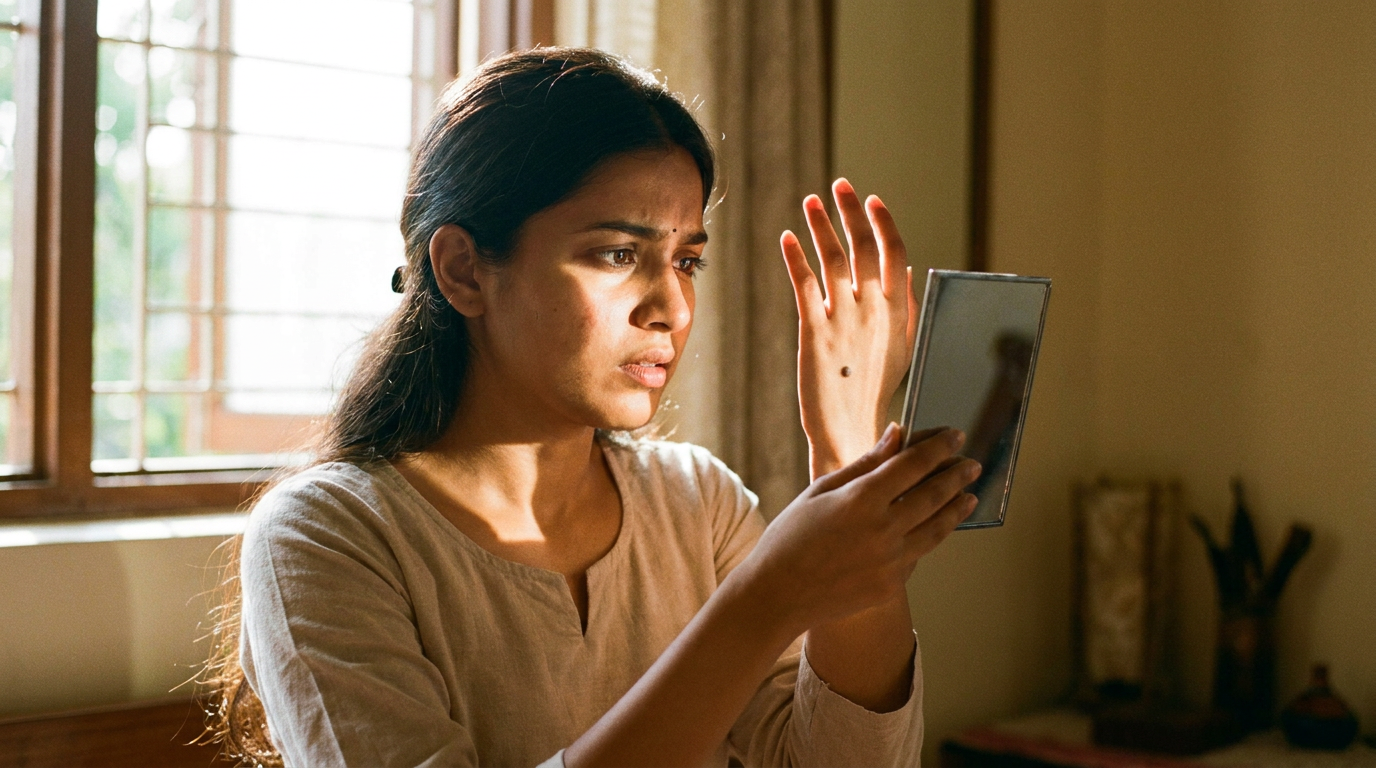
- Check Your Skin Regularly: Perform a monthly self-examination by looking at your entire body, including your back, scalp, hands, feet, and nails. When you're familiar with your skin, it makes it easier to notice changes.
- Maintain Regular Skin Check-Ups: People with a family history of skin cancer, many moles, or other risk factors should discuss regular skin examinations with a dermatologist.
When Should You See A Doctor?
Do not wait for pain or discomfort before seeking medical advice. Many early skin cancers are painless. See a dermatologist if you notice any unusual skin changes, a mole that looks different from others, or a sore that refuses to heal.
Disclaimer: This content including advice provides generic information only. It is in no way a substitute for a qualified medical opinion. Always consult a specialist or your own doctor for more information. NDTV does not claim responsibility for this information.