
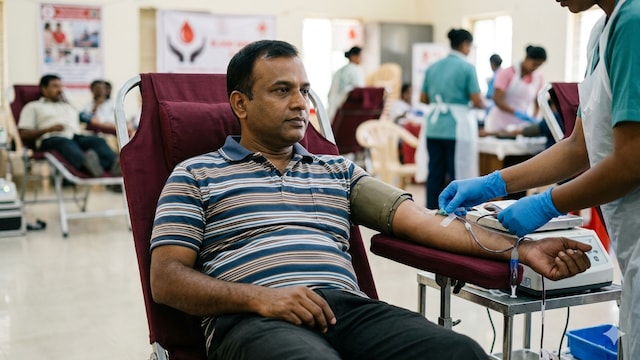
Blood transfusion remains one of the most important life-saving medical interventions in modern healthcare. From emergency trauma care and major surgeries to cancer treatment, organ transplantation, and maternal health emergencies, millions of patients depend on safe blood transfusions every year. However, ensuring that every unit of blood is safe requires a series of strict procedures that begin long before blood reaches a patient.
According to Dr. Kamlesh Prajapati, Lab Head and Consultant Pathologist at Agilus Diagnostics, blood safety depends on a carefully managed process involving donor screening, laboratory testing, proper storage, and strict transfusion protocols. The safety of a blood transfusion starts with selecting suitable donors. Voluntary, non-remunerated blood donors are considered the safest source of blood because they are less likely to conceal health-related information.
Before donation, every donor undergoes a detailed medical assessment. Healthcare professionals evaluate factors such as medical history, recent illnesses, medications, travel history, and other potential risk factors that could affect blood safety.
Also read: Who Can Donate Blood? Breaking Myths Around Eligibility And Safety
"Every donated unit is then screened for transfusion-transmissible infections, including HIV, Hepatitis B, Hepatitis C, Syphilis, and Malaria. Advanced technologies such as Nucleic Acid Testing (NAT) have further strengthened blood safety by detecting infections during the early "window period," when conventional tests may not yet identify them," says Dr. Prajapati.
Why Proper Storage Is Critical
Blood is not stored as a single product. Modern blood banks separate donated blood into different components such as red blood cells, platelets, fresh frozen plasma, and cryoprecipitate. This approach, known as component therapy, allows doctors to provide patients with only the blood component they need. According to Dr Prajapati, each component requires specific storage conditions to remain safe and effective:
- Red blood cells are stored between 2 degree C and 6 degree C.
- Platelets are stored at 20 degree C to 24 degree C with continuous agitation.
- Fresh frozen plasma is stored below -30 degree C.
Maintaining the correct temperature throughout storage and transportation is essential. Any interruption in the cold chain can compromise blood quality and potentially endanger patients. Regular monitoring, strict inventory control, and quality checks help ensure that blood products remain safe until they are used.
Ensuring Safety During Transfusion
Even after screening and storage, blood safety relies on proper transfusion practices. Before transfusion, compatibility testing, including blood grouping and cross-matching, is performed to ensure that the donor blood matches the recipient.
Healthcare teams also conduct bedside verification procedures to confirm patient identity and verify that the correct blood product is being administered. These checks play a crucial role in preventing transfusion errors.\
Also read: One Donation, Multiple Lives: How Blood Components Are Used In Treatment
During the transfusion process, patients are carefully monitored for adverse reactions. Medical staff are trained to identify and manage complications promptly, ensuring patient safety throughout the procedure.
A Shared Responsibility
Safe blood practices go beyond technology and laboratory testing. They require a culture of quality, vigilance, continuous training, and adherence to established protocols.
As demand for blood and blood components continues to rise, experts emphasise the importance of strengthening transfusion medicine services, encouraging voluntary blood donation, and adopting advanced screening technologies.
Safe blood saves lives, but its safety depends on every step of the journey, from the donor's arm to the patient's bedside. By maintaining rigorous standards in screening, storage, and transfusion, healthcare systems can ensure that patients receive the life-saving treatment they need safely and effectively.
Disclaimer: This content including advice provides generic information only. It is in no way a substitute for a qualified medical opinion. Always consult a specialist or your own doctor for more information. NDTV does not claim responsibility for this information.