

)
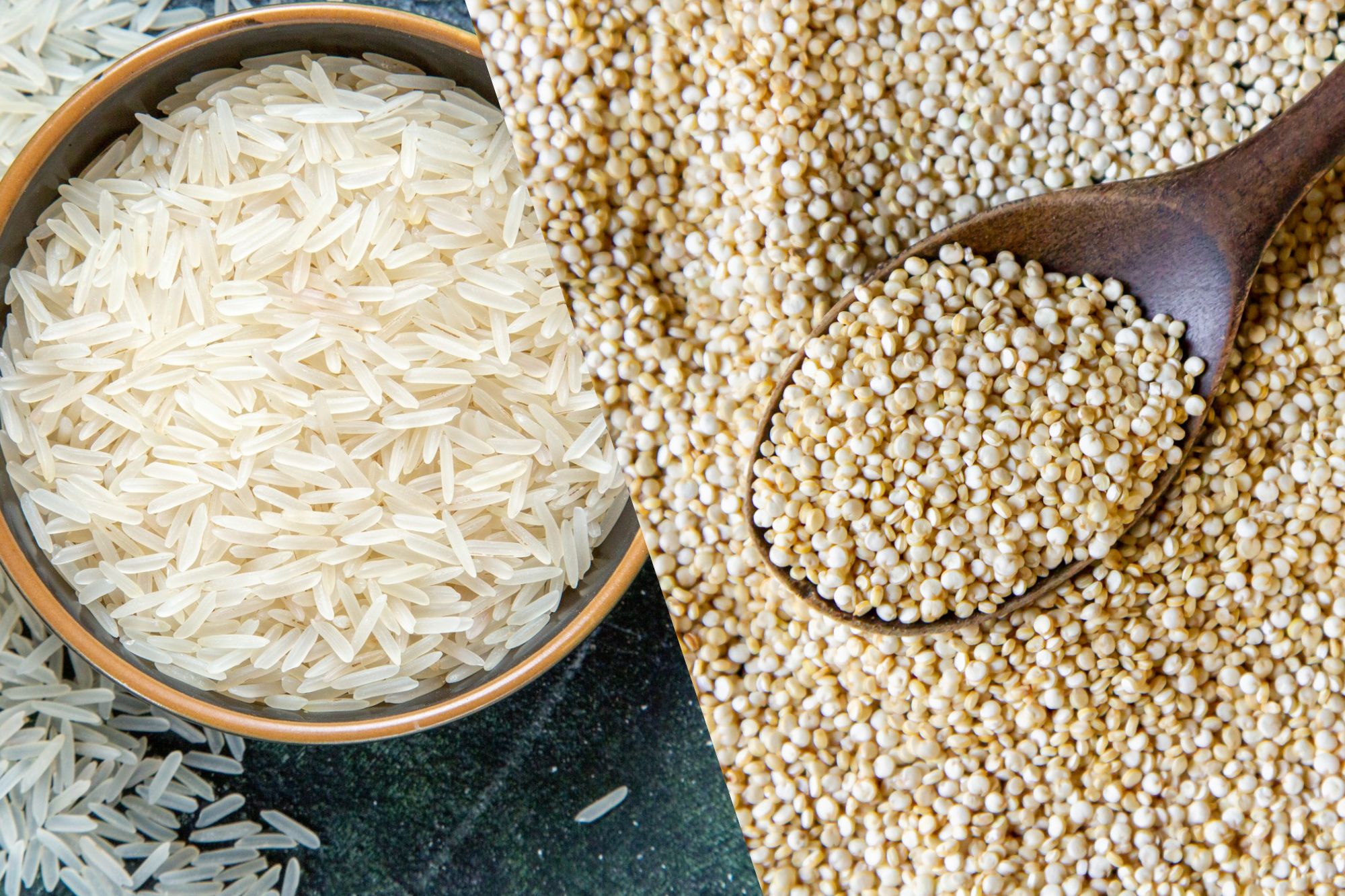
As the trend of superfoods continues to sweep across kitchens, the debate often lands on the most fundamental part of the plate, aka the grain. For years, white rice has been the comforting staple of the Indian thali, but quinoa, the Andean pseudo-cereal, has emerged as a possible alternative to the staple, especially for those looking to fix their gut health. When research is analysed, the Indian Council of Medical Research (ICMR) and the National Institute of Nutrition (NIN), point to the individual nutrient profiles, along with their absorption rate, determine their ability to improve your gut function. As every individual has a different physiology that impacts their ability to absorb nutrients from the grains, there are a number of factors that impact the kind of staple that should be on your plate. Here is what needs to be considered to make the decision between rice or quinoa on your plate.
The Fibre Factor: Why Quinoa Is Better
When gut health is considered, fibre is the most important factor. It acts as a prebiotic as highlighted in the Journal of Nutrition, essentially feeding the good bacteria in your large intestine.
According to the ICMR-NIN Dietary Guidelines for Indians (2024), an adult needs roughly 25 to 30 g of fibre per day to maintain optimal digestive health. White rice, unfortunately, is a refined grain. During the milling process, the bran and germ are removed, reducing nearly all its fibre.
In contrast, quinoa is a whole grain (technically a seed) that offers about 5 g of fibre per cooked cup, nearly double that of brown rice and infinitely more than polished white rice. This high fibre content doesn't just prevent constipation; it promotes the production of Short-Chain Fatty Acids (SCFAs) like butyrate, which strengthen the gut lining and reduce inflammation.
Glycaemic Index And The Gut Connection
One of the most significant findings in recent ICMR studies is the link between high-carbohydrate diets and the rising burden of metabolic diseases in India. A 2025 ICMR study highlighted that traditional Indian diets are now dominated by low-quality carbohydrates like white rice, which have a high Glycaemic Index (GI). Here are the GI indexes of white rice and quinoa for comparison:
- White rice has a GI of 70 (high)
- Quinoa has a GI of 53 (low)
A high-GI diet causes rapid spikes in blood sugar, which can lead to dysbiosis, which is an imbalance in gut bacteria. Chronic sugar spikes can encourage the growth of harmful bacteria and yeast (like candida), leading to bloating and sluggish digestion. Quinoa's slow-release energy keeps your gut environment stable and your energy levels consistent.
Also Read: Makhana vs Roasted Chana: Which Is Healthier And Better For Weight Loss?
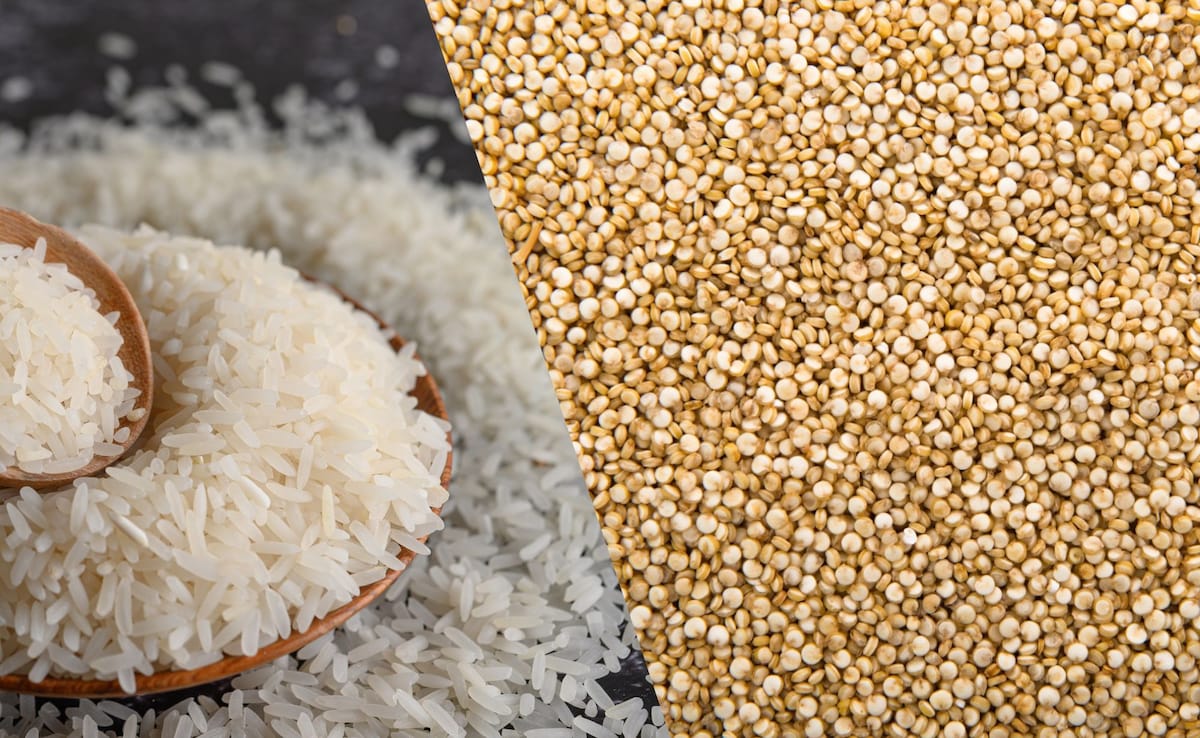
Rice and quinoa
Photo Credit: Freepik
The Protein Powerhouse
Gut health is also about repairing the digestive function. The ICMR-NIN 2024 guidelines emphasise the need for high-quality proteins to maintain muscle mass and gut integrity. Quinoa is a rare plant source of complete protein, meaning it contains all nine essential amino acids.
While rice (even brown rice) must be paired with dal to form a complete protein, quinoa provides these building blocks on its own. For those with sensitive stomachs or leaky gut concerns, the easy-to-digest proteins in quinoa can be a gentler alternative to heavy gluten-based grains.
Side Effects Of Eating Rice And Quinoa
Both of these grains have certain side effects associated with them, and you need to know them to be safe; these are as follows:
- High intake of white rice is associated with increased risk of type 2 diabetes.
- Rice can accumulate inorganic arsenic, potentially contributing to cardiovascular disease risk, as flagged in the American Journal of Clinical Nutrition. This is why multiple wash cycles of rice are necessary before consuming it.
- Short-term consumption of quinoa showed metabolic benefits, but excessive intake may alter digestion in diabetics.
- There is potential for allergic reactions, as rare cases may occur, but overall, quinoa is considered safe for most people.
Also Read: High-Protein Breakfast Improves Focus, Says Study; Tips To Consume More Protein Every Morning
The Verdict: Do You Have to Give Up Rice?
Not necessarily, as your diet needs a tailored approach. The ICMR doesn't suggest a total ban on rice but rather a shift toward whole-grain diversity. If you find quinoa too expensive or its nutty taste too foreign, the ICMR-NIN recommends:
- The 50% rule by ensuring at least half of your cereal intake comes from whole grains or millets.
- The rice hack, wherein if you eat white rice, pair it with double the amount of fibre-rich vegetables or legumes (dal) to lower the overall GI of the meal.
- Local alternatives are available where, if quinoa isn't your thing, Indian nutri-cereals like bajra (pearl millet) or jowar (sorghum) offer similar gut-health benefits and are often more sustainable for the Indian climate.
Note: To determine which type of grain is most sustainable for your body, you need to consult a nutritionist or dietician. This can help you create a long-term healthy approach to consuming grains on your plate.
So, when it comes to the grains on your plate, you need to consider nutrients, gut health, and the ability of your body to absorb them.
Disclaimer: This content, including advice, provides generic information only. It is in no way a substitute for a qualified medical opinion. Always consult a specialist or your own doctor for more information. NDTV does not claim responsibility for this information.